When to Wear Trail Running Shoes: A Complete Guide
You should wear trail running shoes whenever you run on dirt, mud, rocks, or uneven ground. They give you better grip and protection than regular running shoes. On smooth pavement or a treadmill? Stick with your normal road shoes.
We dug into expert advice and found that the surface matters more than the distance. Trails come with loose gravel, roots, and surprise puddles that can turn your ankles into casualties. Trail shoes have deeper tread, tougher materials, and often a rock plate to keep your feet happy.
Here’s the short version:
- Wear trail shoes on dirt paths, rocky routes, mud, and snowy trails.
- Wear road shoes on pavement, tracks, and treadmills.
- Mixed routes? Pick trail shoes if more than half your run is off-road.
- Wet or technical trails call for shoes with aggressive grip.
- Comfort beats hype every time. If it fits well, it wins.
Below, we break down exactly when to lace up trail shoes, when to skip them, and how to pick the right pair. Let’s get into it.
The Right Times to Lace Up Trail Shoes
Trail shoes earn their keep the moment your feet leave smooth ground. If your route includes dirt, rocks, roots, or mud, they’re the smarter pick. We found that most running injuries on uneven ground come from slips and rolls, not tired legs.
Think of it like tires. You wouldn’t take slick street tires up a muddy forest road. Your feet deserve the same logic.
Dirt Paths and Forest Trails
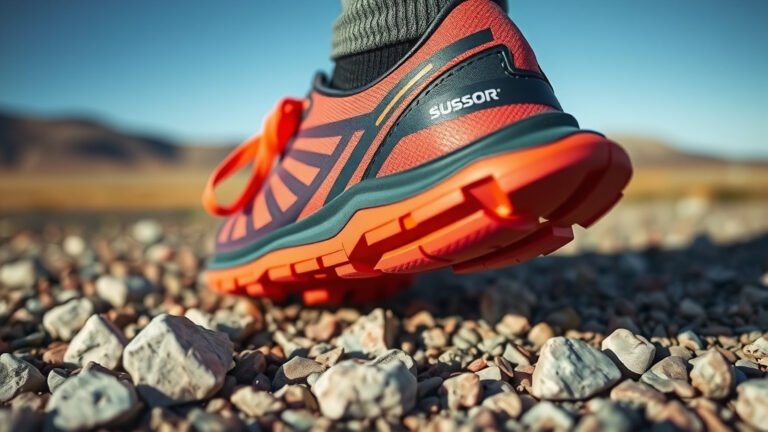
Packed dirt is where trail shoes shine most. The tread bites into soft ground and gives you confidence on downhill stretches. Even a mellow rail trail can hide loose gravel, so grip matters more than you’d think.
Mud, Snow, and Wet Ground
Wet conditions are the biggest reason to switch shoes. Road soles turn into skates on slick clay or icy patches. Trail outsoles use stickier rubber and deeper lugs to dig in.
Winter Running Notes
On snow, look for shoes with aggressive lugs or space for traction devices. Many experts suggest adding removable spikes for ice, since rubber alone won’t cut it on glazed trails.
Rocky and Technical Routes
Sharp rocks punish thin road shoes. Trail shoes often include a rock plate, a stiff layer under the midsole that blocks bruising. Your arches will thank you around mile six.
When Road Shoes Are the Better Call
Pavement, tracks, and treadmills favor road shoes, plain and simple. Trail lugs on concrete feel clunky and wear down fast. You’d be chewing up your tread for zero benefit. Our guide to road shoes on the treadmill covers what to expect from indoor miles.
Smooth surfaces also reward flexibility and lighter weight. Road shoes deliver both. Save the lugs for where they matter.
Mixed Routes: The 50 Percent Rule
Here’s the rule we keep coming back to. If more than half your run happens off-road, wear trail shoes. If you’re mostly on pavement with a dirt shortcut, road shoes win.
Some runners keep two pairs and change at the trailhead. Others pick a hybrid “road-to-trail” shoe with mild lugs. That middle-ground option handles fire roads and packed gravel without feeling like a monster truck.
| Surface | Best Shoe | Why |
|---|---|---|
| Pavement, sidewalk | Road shoes | Smooth ride, lighter feel |
| Track or treadmill | Road shoes | No grip needed, better flexibility |
| Packed dirt, gravel | Trail shoes | Stable footing on loose bits |
| Mud, wet grass | Trail shoes, aggressive lugs | Grip prevents slips |
| Rocky, technical trails | Trail shoes with rock plate | Protects from sharp stones |
| Snow and ice | Trail shoes plus traction gear | Lugs and spikes bite in |
Trail Shoes on Pavement: What Actually Happens
Can you do it? Sure. Should you? Only in small doses. We found that hard lugs compress unevenly on concrete, which can create pressure points under your feet over long distances.
Plus, the rubber wears down quickly. You’re sanding off your grip on every asphalt mile. Why burn tread where it does nothing for you?
How Terrain and Weather Change Your Choice
Conditions shift fast outside. A trail that’s friendly at noon can turn slick after an afternoon storm. Check the weather and recent rainfall before you head out.
Season matters too. Dry summer hardpack might barely need lugs. Spring mud and fall leaf cover demand them.
Quick Terrain Checklist Before You Head Out
- Check the forecast for rain or freeze.
- Look at recent trail reports for mud or washouts.
- Estimate how much of your route is off-road.
- Scan for rocks, roots, and steep downhills.
- Bring traction devices if ice is possible.
- Match your shoe choice to the roughest section, not the easiest.

Why Grip and Protection Matter for Your Feet
Slips and ankle rolls are the real dangers off-road. Research on running injuries shows that uneven terrain raises the risk of ankle sprains compared with flat surfaces (NIH). Better outsole grip directly cuts your slip risk.
Protection matters in a quieter way, too. Stepping on a buried rock hurts for a second but can ruin a whole week of training. A rock plate absorbs that sharp, stabbing pressure before it reaches your foot.
Your ankles also work harder on trails. The Mayo Clinic notes that balance-focused activity helps build stability, and trail running does exactly that, as long as your shoes support the effort.
Choosing the Right Trail Shoe for Your Runs
All trail shoes are not the same. Match the shoe to your terrain, and you’ll get much more out of every mile.
Lug Depth and Grip Levels
Short lugs around 3 to 4 millimeters suit hard-packed trails. Deep lugs of 5 millimeters or more handle mud and soft snow. Many experts say softer rubber compounds grip wet rock better, so check reviews for the surfaces you actually run.
Cushioning and Fit
Fit is king. Your toes need a little extra room for downhills, since feet slide forward inside the shoe. We found that a thumb’s width of space in the toe box is a common recommendation among shoe fitters.
Cushioning is a comfort choice. More padding protects on long runs. Less padding gives better ground feel on technical routes.
Waterproofing: Helpful or Hype?
Waterproof membranes keep splashes out, but once water pours over the collar, they trap it inside. For stream crossings and heavy rain, many trail runners prefer breathable, quick-drying shoes instead. Know your climate before you pay extra.
Signs You’re Ready to Make the Switch
Not sure if trail shoes are worth it for you? Run through this list. If you check even two boxes, it’s time.
- Your usual routes include dirt, gravel, or grass.
- You’ve slipped at least once on a wet or loose surface.
- You feel every pebble through thin road soles.
- Your road shoes look chewed up after trail runs.
- You want to run year-round, in mud or light snow.
- Twisted ankles keep cutting your training short.
One last thought. Shoes are tools, not trophies. Pick the pair that matches the ground under your feet, and every run gets a little safer and a lot more fun.
Conclusion
The right shoe comes down to the ground under your feet. Wear trail shoes on dirt, mud, rocks, and snow. Stick with road shoes on pavement and treadmills. For mixed routes, let the 50 percent rule make the call for you. And when conditions get slick or technical, prioritize grip and protection over looks or hype.
We found that most runners overthink this. Match your shoe to the roughest section of your route, keep the fit roomy in the toe box, and check the weather before you leave. Your ankles and arches will repay you for miles.
Ready to make the switch? Look at your usual route map tonight and count how much of it is off-road. That number tells you exactly which pair to buy first.
Frequently Asked Questions
Can I hike in trail running shoes?
Absolutely. Trail running shoes work well for day hikes on maintained trails, especially in dry conditions. Just know that their lighter materials and lower ankles offer less support than hiking boots on heavy backpacking loads.
How long do trail running shoes last?
Most trail shoes hold up for 300 to 500 miles, though rocky terrain chews through outsoles faster. Check your lugs regularly. When they look rounded off or feel smooth, your grip is fading and it’s time to replace them.
Do I need trail shoes for beginner-friendly trails?
Not always. A wide, smooth, packed-gravel path is fine in road shoes on a dry day. But if the trail has loose gravel, roots, or any hint of mud, trail shoes will keep you steadier and more confident.
Should trail running shoes fit differently than road shoes?
Many runners go up a half size in trail shoes. Your feet swell on longer runs, and downhill sections push your toes forward. A little extra room in the toe box prevents black toenails and bruised tips.
Can I wear trail running shoes for walking and everyday use?
You can, and they’re comfortable for errands and casual walks. Just remember that lugs wear down quickly on concrete. If you love the pair for trails, save them for the dirt so the grip lasts.