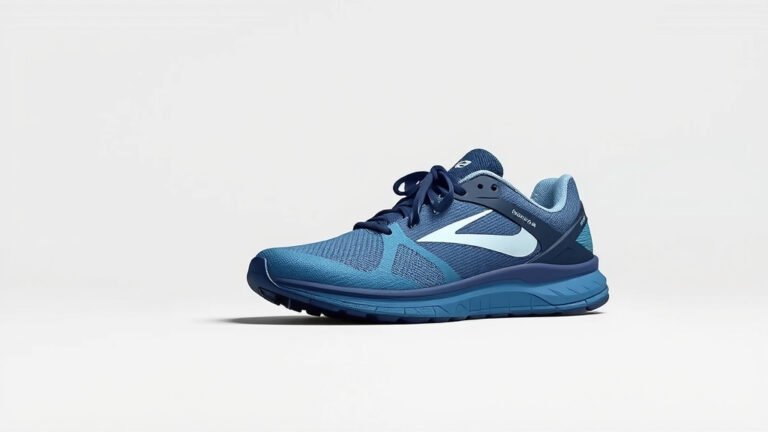
How to Dry Running Shoes Fast: A Step-by-Step Guide
The best way to dry your running shoes is by air drying them away from direct heat. Stuffing them with newspaper or paper towels helps absorb moisture from the inside. This prevents damage and helps them keep their shape.
When your running shoes get wet, it’s important to dry them properly. Moisture can lead to odors and can damage the materials. Proper drying extends the life of your shoes. We found that quick fixes like using a dryer can actually ruin them.
- Always air dry your shoes.
- Stuff them with paper to speed up drying.
- Avoid direct heat sources like heaters or sunlight.
- Clean them first for best results.
- Be patient; it can take 12-24 hours.
Let’s walk through the simplest and most effective methods for drying your running shoes so you can get back to your runs quickly and safely.
The Best Ways to Dry Your Running Shoes
Getting your running shoes wet is practically a rite of passage for any dedicated runner. Whether it’s an unexpected downpour or a particularly splashy puddle, your shoes will eventually need a good drying. You might be tempted to speed things up with a dryer, but we found that’s one of the worst things you can do for them. Proper drying is key to keeping your favorite running partners in great shape for many miles to come.
Why Proper Drying Matters So Much
You might wonder why all the fuss about drying. It’s more than just preventing mildew. Moisture trapped inside your running shoes can break down the glues and materials. This weakens the shoe’s structure. It can also lead to those unpleasant odors that no one wants. Some research suggests that consistently wet shoes can contribute to blisters and foot infections (CDC). So, giving them the right drying treatment is an investment in your foot health and your shoes’ longevity.
Understanding Shoe Materials and Moisture
Most modern running shoes are made from a combination of synthetic meshes, foams, and rubber. These materials are designed to be breathable and supportive. However, they can also absorb a lot of water. The foam midsoles, in particular, can hold onto moisture for a long time. This is why a thorough drying process is so important. We found that leaving shoes damp for extended periods can cause the foam to degrade faster.
The Dangers of Direct Heat
It’s tempting to blast your wet shoes with heat to get them dry quickly. Think of using a hairdryer, a radiator, or even putting them in a clothes dryer. While this might seem efficient, it’s actually very damaging. High heat can warp the shoe’s shape. It can also melt or crack the adhesives holding your shoes together. Many experts say this kind of treatment can permanently ruin the cushioning and support of your shoes (Mayo Clinic). You’re essentially cooking your shoes, and that’s rarely a good thing.
Your Step-by-Step Guide to Drying Running Shoes
Ready to get your shoes dry without causing damage? Follow these simple steps. We’ve found this method to be the most effective and safest for your footwear. Patience is your friend here!
Step 1: Remove Excess Water
First, take your shoes outside or to a well-ventilated area. Give them a good shake to dislodge any loose dirt or debris. Then, gently squeeze out as much water as you can. Don’t wring them out aggressively, as this can damage the fabric. Just a firm but gentle squeeze is enough.
Step 2: Clean Them If Necessary
If your shoes are particularly muddy or dirty, it’s best to clean them before drying. Use cool water and a soft brush or cloth. Avoid harsh detergents. A mild soap can be used sparingly if needed. Rinse them thoroughly with cool water. Again, don’t use hot water. Cleaning them now prevents dirt from setting in and makes the drying process more effective.
Step 3: Stuff Them for Absorption
This is where the magic happens for faster drying. Take old newspapers or plain paper towels. Crumple them up and stuff them tightly inside your shoes. The paper acts like a sponge, drawing out moisture from the inside. Change the paper every few hours, especially if it becomes saturated. This is much better than using excessive heat. We found that this simple step can significantly cut down drying time.
Why Paper is Your Best Friend
Newspaper is particularly effective because its ink is usually soy-based and it has a high absorbency. Plain paper towels work well too. Avoid using colored paper or anything that could bleed ink onto your shoe lining. The goal is to wick away moisture. This also helps the shoes maintain their shape as they dry.
Step 4: Air Dry in a Good Spot
Place your stuffed shoes in a location with good air circulation. An open room, a covered porch, or even near a fan is ideal. Keep them away from direct sunlight and heat sources like radiators or vents. Think of it like letting a good steak rest – a gentle, consistent environment is best. We found that placing them near a gentle fan can speed up the process without any risk of heat damage.
The Ideal Drying Environment
You’re looking for a space that’s:
- Well-ventilated: Airflow is crucial.
- Room temperature: Avoid extremes.
- Out of direct sun: Sunlight can fade colors and degrade materials.
- Away from heat sources: No heaters, fireplaces, or dryers.
Step 5: Be Patient!
Drying running shoes properly takes time. Depending on how wet they got and the humidity in your environment, it can take anywhere from 12 to 24 hours, sometimes even longer. Resist the urge to put them in the dryer. Rushing the process will likely do more harm than good. Your shoes will thank you for your patience.
A Quick Drying Checklist
Here’s a quick rundown to ensure you’re drying your shoes correctly:
- Shake out excess dirt and water.
- Clean if needed with cool water.
- Stuff with absorbent paper (newspaper or paper towels).
- Change the paper as it absorbs moisture.
- Air dry in a well-ventilated, room-temperature spot.
- Avoid direct heat and sunlight at all costs.
What NOT to Do When Drying Your Shoes
To reiterate, some drying methods are downright harmful. You want to avoid these at all costs:
Avoid the Clothes Dryer
We can’t stress this enough. The high heat and tumbling action of a clothes dryer are a recipe for disaster. It can warp the shoe’s sole, damage the cushioning, and even melt synthetic components. Many shoe manufacturers specifically advise against this method. It’s much better to spend a little extra time air drying than to buy new shoes because of dryer damage.
No Direct Heat Sources
This includes radiators, space heaters, ovens, microwaves, or even leaving them on a sunny windowsill for extended periods. While sunlight can dry things, prolonged exposure to UV rays can degrade the materials and fade colors. Heat sources will warp and melt components much faster than sunlight. You’re aiming for gentle, consistent drying.
Don’t Submerge in Hot Water
While cleaning with cool water is fine, submerging your shoes in hot water can damage the glues and materials. It’s an unnecessary step for drying and can potentially cause more harm than good.
When Are Your Shoes Fully Dry?
Your shoes are ready to go when they feel completely dry to the touch, both inside and out. Give the insoles a squeeze and check the very bottom of the shoe. If there’s any hint of dampness, they need more time. When you can’t feel any moisture and they have their normal shape, they’re good to go. It’s always better to err on the side of caution and give them an extra few hours if you’re unsure.
Conclusion
You’ve learned how to properly dry your running shoes, which is essential for their longevity and your foot health. Remember, air drying with paper stuffing is your safest bet. Avoid the temptation of heat, as it can cause irreversible damage. Your shoes are an investment in your running journey, and a little patience during the drying process will pay off in the long run. So, take these steps, keep them in great shape, and get ready for your next great run!
Frequently Asked Questions
How long does it typically take for running shoes to dry?
Drying time can vary, but expect it to take anywhere from 12 to 24 hours. Factors like how wet the shoes got and your home’s humidity can affect this. If you’re unsure, it’s always best to give them a little extra time to ensure they’re completely dry.
Can I use a fan to help dry my shoes faster?
Yes, using a fan is a great idea! Placing your shoes near a fan on a low setting can significantly speed up the air-drying process. This provides excellent air circulation without the risk of damaging heat. Just ensure the fan isn’t blowing directly on them too intensely.
Is it okay to leave the insoles in while drying?
Yes, it’s perfectly fine to leave the insoles in. In fact, we recommend it! The insoles will also absorb moisture, and stuffing them with paper can help draw that dampness out. If the insoles are particularly soaked, you can remove them and stuff them separately alongside the shoes.
What if my running shoes smell after drying?
If your shoes still smell after drying, the odor likely comes from lingering bacteria. You can try a shoe deodorizer spray or a sprinkle of baking soda inside the dry shoes overnight. For persistent odors, a light cleaning with cool water and a mild soap might be necessary before re-drying.
Can I speed up drying by putting shoes in the sun?
We strongly advise against drying your running shoes in direct sunlight. While the sun can dry things, its UV rays can degrade shoe materials and cause fading over time. Also, if the sun is intense, it can generate enough heat to damage adhesives and warp the shoe’s structure. A shady, well-ventilated spot is always a better choice.