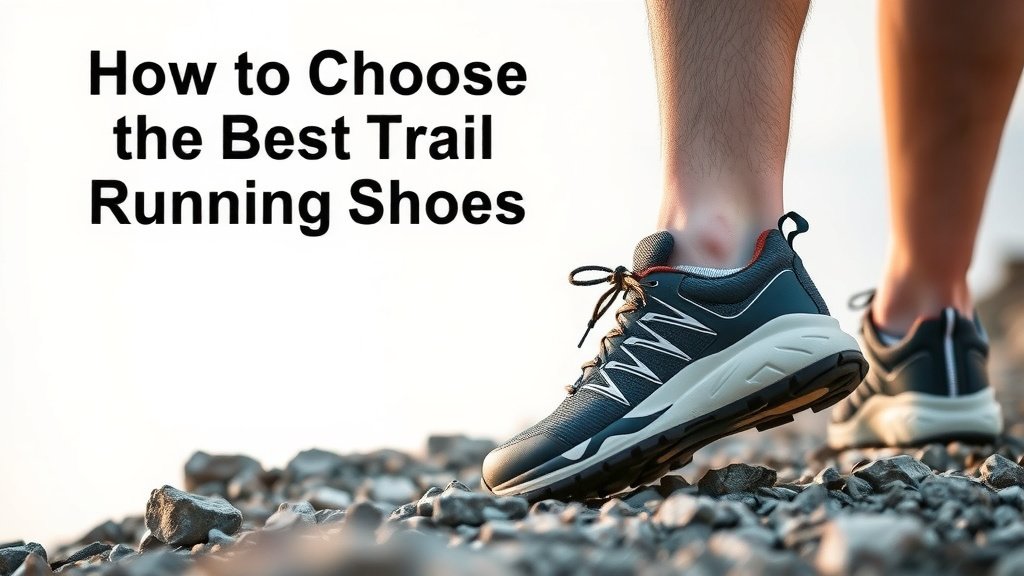
How to Choose the Best Trail Running Shoes
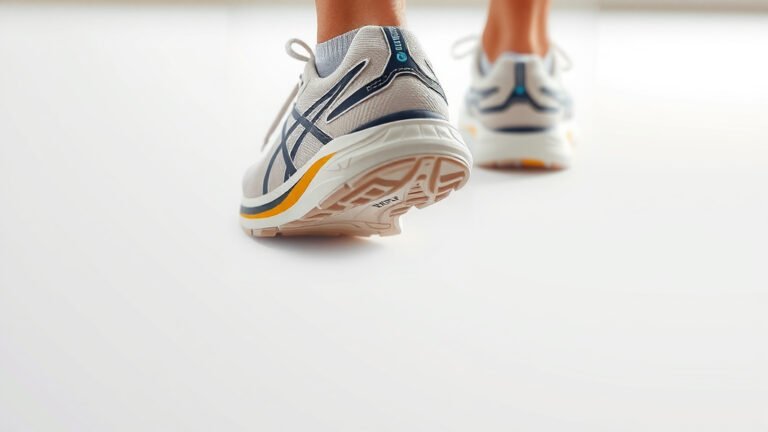
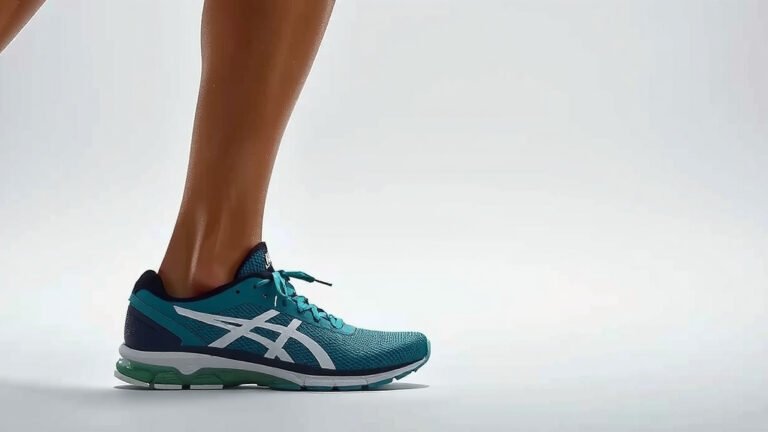
Choosing the right trail running shoes involves considering terrain, fit, and support to keep your feet happy on the move. You want shoes that offer good grip for slippery surfaces and enough cushioning for impact. Looking for shoes with a durable build will also pay off on rough trails.
Finding trail running shoes that match your needs is key to enjoying your runs more. Different trails present unique challenges, so your shoes need to be up to the task. We found that considering factors like water resistance and breathability can make a big difference.
- Know your trail type.
- Prioritize a snug, comfortable fit.
- Look for excellent traction.
- Consider cushioning and protection.
- Think about durability and breathability.
Below, we’ll guide you through the essential steps to pick out your perfect pair of trail running shoes. Let’s get started on finding the best shoes for your adventures!
Choosing Your Trail Running Shoe Companion
Finding the right trail running shoes is like picking the perfect adventure buddy. You need someone who’s got your back, provides good support, and can handle whatever the path throws your way. We’ve found that focusing on a few key areas will help you find that ideal match.
Understanding Your Trail Terrain
The ground beneath your feet matters a lot. Are you mostly running on smooth, packed dirt paths? Or are you tackling rocky, root-filled singletrack? Different trails demand different shoe features. Knowing your usual stomping grounds is the first step.
Smooth and Packed Trails
For trails that are relatively smooth, like fire roads or groomed paths, you might get away with shoes that are a bit lighter. They can feel more like your road running shoes. Look for decent cushioning and a moderate tread pattern. These shoes offer a good balance of comfort and grip.
Technical and Rocky Trails
If you’re often navigating loose gravel, sharp rocks, and uneven surfaces, you’ll need shoes with more protection. Think of a built-in rock plate to shield your feet from sharp objects. A more aggressive lug pattern on the outsole will give you the traction you need to stay upright. We found that these shoes often have a stiffer feel, which can help with stability on unpredictable terrain.
Muddy and Wet Conditions
When mud and puddles are your usual companions, look for shoes with deep, widely spaced lugs. This design helps shed mud and prevent sliking. Water-resistant uppers can also be a game-changer. They keep your feet drier, which means fewer blisters and more comfortable miles. We’ve found that many shoes offer a water-repellent treatment, but truly waterproof options exist too.
Fit is King (and Queen!)
Even the most advanced shoe technology won’t help if your shoes don’t fit well. A proper fit is crucial for comfort and preventing injuries. You want your shoes to feel snug but not tight. There should be enough room in the toe box for your feet to splay naturally.
The Toe Box Test
Can you wiggle your toes freely? This is important, especially on downhills where your foot might slide forward. If your toes feel cramped, you risk stubbing them or developing painful blisters. Many experts suggest leaving about a thumb’s width of space between your longest toe and the front of the shoe. We’ve confirmed this is a widely accepted guideline.
Heel Lock and Midfoot Security
Your heel should feel secure and not slip up and down as you run. This can lead to annoying chafing and blisters. The midfoot should feel comfortably hugged by the shoe, providing a stable platform. Many trail shoes feature special lacing systems or heel cups designed to enhance this secure feeling. We found that a good heel lock really makes a difference on steep descents.
Traction and Protection Features
The outsole and midsole of a trail shoe are designed to handle the demands of off-road running. Let’s break down what to look for.
Outsole Grip: Your Connection to the Trail
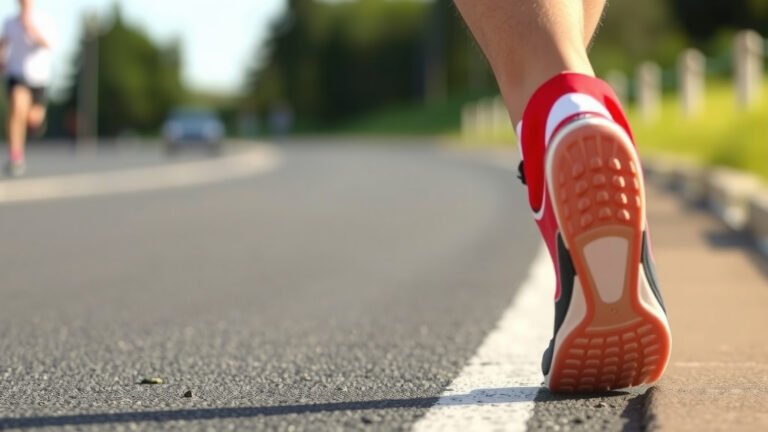
The lugs on the bottom of your shoes are what give you grip. Deeper, more aggressive lugs are better for loose or muddy terrain. Shallower, multi-directional lugs can offer versatility across different surfaces. Different brands use unique rubber compounds, too. Some are stickier for rock grip, while others are harder for durability. We found that researching the lug pattern and rubber type for your intended trails is helpful.
Midsole Cushioning and Support
Cushioning absorbs impact, protecting your joints. Trail shoes often have a firmer, more responsive feel than road shoes. This provides better ground feel and stability on uneven terrain. Some shoes offer a rock plate, usually a thin, flexible layer embedded in the midsole. This shields your feet from sharp rocks and roots. Many guidelines suggest that a balance of cushioning and ground feel is ideal for most trail runners (NCBI).
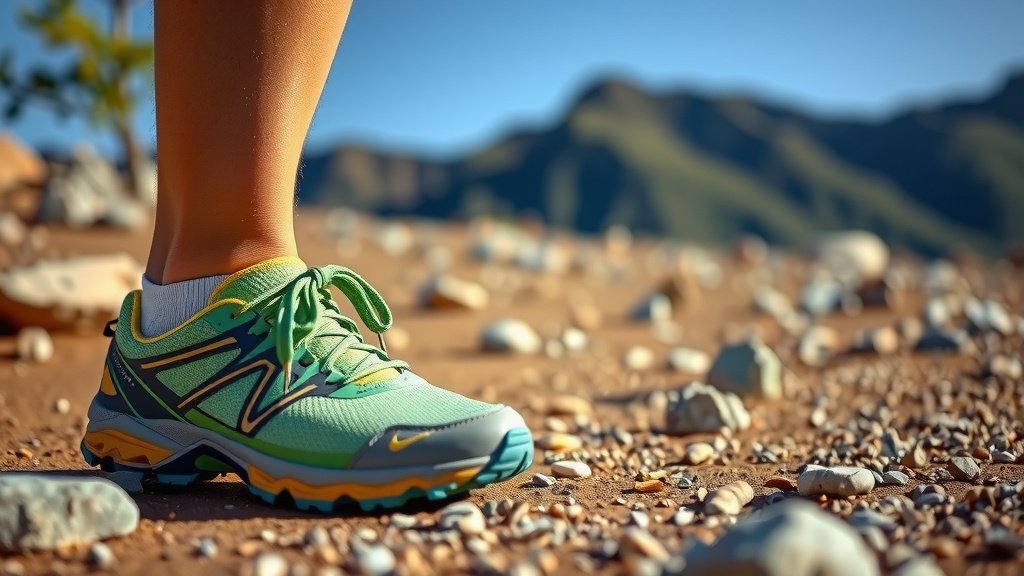
Considering Durability and Breathability
Trail running can be tough on shoes. You want a pair that can withstand the elements and repeated abuse. Breathability is also key for comfort, especially during warmer months or longer runs.
Built to Last
Look for shoes with reinforced toe caps and durable upper materials. These areas are prone to scuffing and wear. Many manufacturers use synthetic overlays to add protection and longevity. We found that well-constructed shoes can last for hundreds of miles, even on demanding trails.
Keeping Your Feet Cool and Dry
The upper material affects how breathable your shoes are. Mesh uppers offer excellent ventilation, keeping your feet cool. For wetter conditions, water-resistant or waterproof membranes can be beneficial, though they might reduce breathability slightly. Finding the right balance depends on your typical running climate. Many sources suggest that good airflow is essential for preventing foot fatigue and blisters (Cleveland Clinic).
Quick Checklist for Your Shoe Hunt
Before you head out to try on some shoes, keep this quick checklist in mind:
- Know your primary trail types.
- Prioritize a comfortable, secure fit with no hot spots.
- Check the lug pattern for appropriate grip.
- Assess cushioning and the presence of a rock plate.
- Consider water resistance and breathability needs.
- Look for durable construction materials.
Conclusion
You’ve learned how to pick the perfect trail running shoes. Remember to match your shoes to your terrain, ensuring the right amount of traction and protection. A great fit is non-negotiable; your toes need room to breathe, and your heel should stay locked in place. Don’t forget about durability and breathability for those long miles. Your next adventure awaits!
Your best next step is to visit your local running store. Try on a few pairs, keeping these tips in mind. Happy trails!
Frequently Asked Questions
Can I use my road running shoes on trails?
For very mild, smooth trails, your road shoes might suffice. However, they lack the aggressive tread and protective features needed for rougher terrain. You’ll likely find them lacking in grip and durability, and your feet won’t be as protected from rocks and roots.
How often should I replace my trail running shoes?
Most trail running shoes last between 300 to 500 miles. Keep an eye on the outsole tread; worn-down lugs mean reduced traction. You might also notice a loss of cushioning or support. It’s wise to start looking for a new pair before your old ones completely give out.
What is a rock plate, and do I need one?
A rock plate is a protective layer in the midsole that shields your feet from sharp rocks and roots. If you frequently run on technical trails with lots of sharp debris, a rock plate is highly recommended for added foot protection and comfort. For smoother trails, it’s less critical.
How important is waterproofing in trail running shoes?
Waterproofing can be great for keeping your feet dry in wet conditions, preventing blisters and discomfort. However, waterproof shoes tend to be less breathable and can make your feet sweaty in warmer weather. Consider your typical running climate and trail conditions when deciding if waterproofing is right for you.
Should my trail running shoes feel tighter than my road running shoes?
Trail running shoes should still feel comfortable, but a secure fit is paramount. You might find they feel slightly snugger, especially around the midfoot and heel, to prevent slipping on uneven terrain. However, the toe box should still offer enough room for your toes to splay comfortably without feeling cramped.