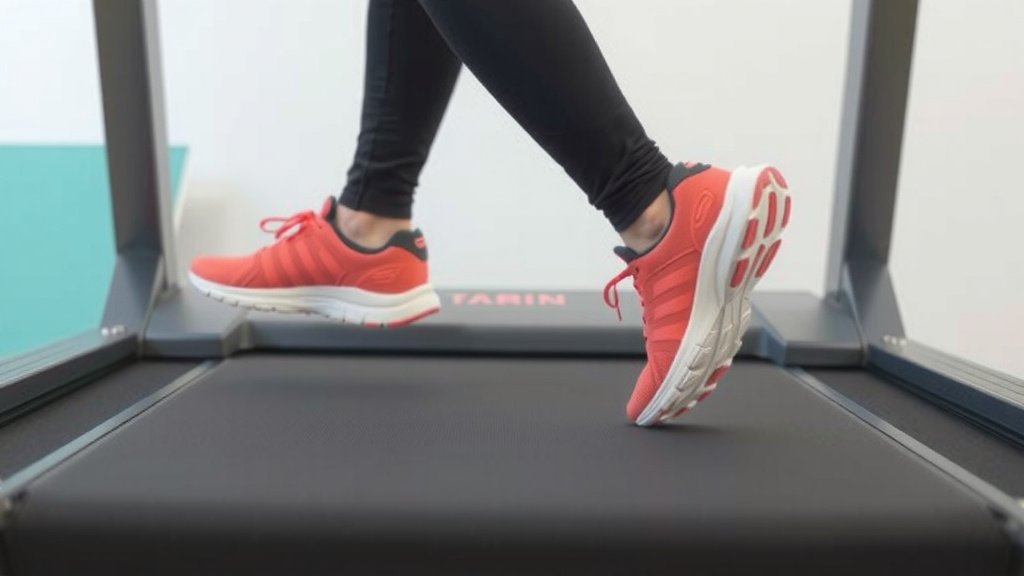
Treadmill Running Shoes: Your Guide to the Best Pair
Choosing the right running shoes for a treadmill is about finding a balance between cushioning and support that matches your stride. You don’t need highly aggressive tread patterns. Look for shoes that offer good shock absorption for repetitive impact. This helps protect your joints during your runs.
While many road running shoes work well on treadmills, some factors are more important than others. We found that breathability is a big plus. Your feet will get warmer than usual. A shoe that can handle the consistent, forward motion is also key. Think about durability and comfort for longer sessions.
- Treadmill shoes need good cushioning.
- Support should match your foot type.
- Breathability is important for comfort.
- Durability ensures they last.
- Check for a good fit and feel.
Below, we’ll walk you through exactly how to pick the perfect pair of shoes for your treadmill workouts, so you can focus on crushing your goals.
Picking Your Perfect Treadmill Running Shoes
Finding the right shoes for your treadmill runs is simpler than you might think. You want shoes that feel great and protect your feet. We’ll guide you through what makes a treadmill shoe different from a road shoe. You’ll discover how to make a smart choice.
Understanding Treadmill Shoe Needs
Treadmill running is a bit different from outdoor running. The treadmill belt offers some cushioning. This means you might not need as much shock absorption as you would on pavement. However, the repetitive motion can still be tough on your joints. We found that durability and comfort are key factors.
Cushioning: The Comfort Factor
Think of cushioning as the shock absorber for your feet. On a treadmill, you might feel less impact from the ground. Still, a good amount of cushioning helps. It keeps your feet feeling comfortable mile after mile. Too little cushioning can make your runs feel jarring. Too much can make the shoe feel mushy and unstable.
Research suggests that adequate cushioning can reduce impact forces on your legs and feet (NCBI). For treadmill running, a medium level of cushioning is often ideal. You want enough to feel soft, but not so much that you lose your connection to the ground. We found that runners often prefer a balanced feel.
Support: Matching Your Foot Type
Support in a running shoe helps guide your foot through its natural motion. Most people know their foot arch type. This is usually low, neutral, or high. Your arch type plays a big role in the type of support you need.
Neutral Pronation: The Balanced Stride
If you have a neutral arch, your foot lands and rolls inward slightly. This is a very common and efficient motion. Most runners fall into this category. Neutral shoes offer cushioning without extra motion control. They allow your foot to move naturally. We found that many runners do well with neutral shoes.
Overpronation: Extra Guidance Needed
Overpronation means your foot rolls inward a bit too much. This can happen with flat feet. Shoes designed for overpronation have more stability features. They help control excessive inward rolling. These are often called “stability shoes.” They can help prevent discomfort and injury. Many experts suggest stability shoes for overpronators (Cleveland Clinic).
Supination (Underpronation): Focus on Cushioning
Supination means your foot doesn’t roll inward enough. Your foot may stay on the outside edge. People with high arches often supinate. These runners need shoes with plenty of cushioning. They need to absorb shock. Stability features aren’t usually necessary. We found that very flexible, well-cushioned shoes work best here.
Breathability: Keeping Cool
Your feet tend to get hotter on a treadmill. The air doesn’t move around as much as it does outside. Good breathability is super important for comfort. It helps prevent overheating. It also reduces the risk of blisters. Look for shoes with mesh uppers. Mesh allows air to circulate freely. This keeps your feet drier and cooler.
Tread and Grip: Less is More
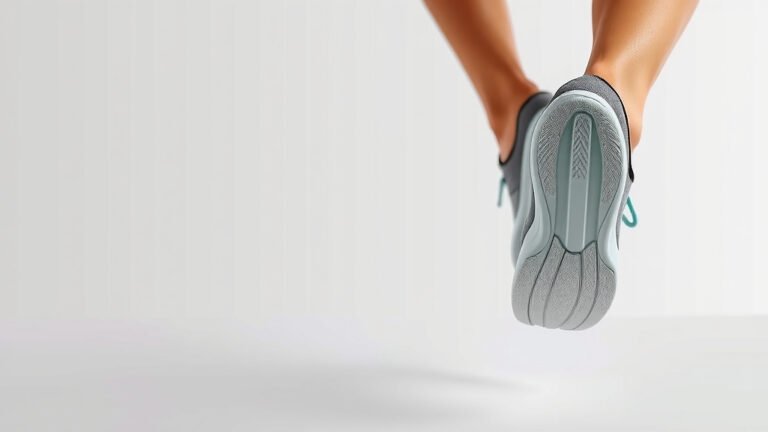
Outdoor running shoes often have aggressive treads. These help grip uneven surfaces like dirt or gravel. On a treadmill, you don’t need this. The belt provides plenty of traction. A smoother outsole is perfectly fine. In fact, a less aggressive tread can be better. It might feel more comfortable on the flat belt. We found that the typical road running shoe tread works just fine.
Durability: Standing Up to Repetitive Use
Treadmill running involves a consistent, forward motion. This can wear down shoes quickly. You want a shoe that’s built to last. Look for shoes with durable outsole rubber. The upper material should also be sturdy. A shoe that can handle many miles is a good investment. We found that higher-quality materials often mean better durability.
The Fit: Your Most Important Guide
No matter the features, a shoe that doesn’t fit well is useless. You need a shoe that feels snug but not tight. There should be about a thumb’s width of space. This is between your longest toe and the front of the shoe. Your heel should feel secure. It shouldn’t slip up and down as you run.
Try Them On Later in the Day
Your feet swell throughout the day. They also swell during a run. Trying on shoes later in the day ensures a more accurate fit. You want them to feel good when your feet are at their largest. We found this simple tip makes a big difference.
Wear Your Running Socks
Always try on running shoes with the socks you plan to wear. Running socks are often thicker than everyday socks. This can affect the fit. Using your actual running socks gives you a true sense of how the shoes will feel.
Test Them Out (If Possible)
Many specialty running stores offer a short treadmill test. This lets you feel the shoes in action. You can see how they handle your natural stride. This is an excellent way to ensure a good match. If that’s not an option, walk around in them. Mimic a running motion. Pay attention to any rubbing or pinching.
Checklist: Your Treadmill Shoe Shopping Guide
- Cushioning: Look for a balanced feel, not too soft or too firm.
- Support: Match shoes to your arch type (neutral, stability).
- Breathability: Choose shoes with mesh uppers for airflow.
- Fit: Ensure about a thumb’s width at the toe and a secure heel.
- Comfort: Try them on with your running socks, ideally later in the day.
- Outsole: A smoother tread is fine for treadmill use.
Conclusion
You’ve learned how to pick the best running shoes for your treadmill sessions. It’s all about balancing cushioning and support for your specific foot type. Remember that breathability and a good fit are non-negotiable for comfort. Don’t overlook durability either; these shoes will get a workout! Your next step is to head to a store, try on a few pairs based on what you’ve learned, and feel the difference for yourself. Happy running!
Frequently Asked Questions
Do I really need special shoes for treadmill running?
Not necessarily. Many standard road running shoes work great on a treadmill. The key is focusing on the features that matter most for that environment: good cushioning, adequate support for your stride, and breathability. You won’t need aggressive treads for traction.
Can I use my trail running shoes on a treadmill?
It’s generally not recommended. Trail running shoes have deep, aggressive lugs designed for grip on uneven outdoor surfaces. These can feel bulky and less comfortable on a smooth treadmill belt. You might also find they don’t offer the same level of cushioning and flexibility needed for consistent, repetitive motion.
How do I know if I need stability shoes for my treadmill runs?
If you overpronate, meaning your foot rolls inward excessively, stability shoes are likely a good choice. This often correlates with having flatter feet. Stability shoes help guide your foot and prevent discomfort by offering extra support to control that inward motion during your run.
Is cushioning more important than support on a treadmill?
Both are important, but their priority can shift based on your foot type. If you have a neutral stride, focusing on balanced cushioning is key. If you overpronate, then stability features that control your foot’s motion become equally, if not more, important alongside cushioning.
How often should I replace my treadmill running shoes?
Treadmill running can be tough on shoes due to the consistent motion. A general guideline is to replace them every 300-500 miles. Pay attention to signs of wear, like the outsole tread being significantly worn down, the midsole feeling less responsive, or any new aches or pains you experience.