Find the Best Running Shoes for High Arches
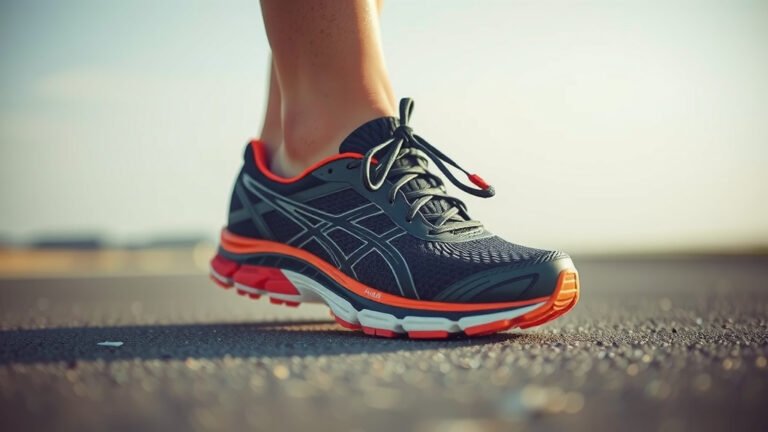
Choosing running shoes for high arches means looking for shoes that offer great cushioning and flexibility. Your feet likely need support that isn’t rigid, but rather gives them a soft landing. The best shoes for high arches will help absorb impact and allow your foot to move naturally.
Many runners with high arches experience discomfort because their feet don’t roll inward enough. This can put extra stress on your shins and knees. Finding the right pair can make a world of difference, preventing aches and pains. We’ve researched what makes a shoe work best for your unique foot type.
- Look for excellent cushioning.
- Prioritize shoes with good flexibility.
- Consider neutral shoes, not stability ones.
- Try them on to feel the fit.
- Don’t forget about your socks!
Let’s walk through exactly how to find the perfect running shoes to support those beautiful high arches of yours!
Finding the Right Running Shoes for Your High Arches
Navigating the world of running shoes can feel like a marathon in itself. But for those of us blessed (or sometimes, let’s be honest, challenged) with high arches, the search for the perfect pair is a little different. You need shoes that act like a supportive hug for your feet, not a vice grip. We’ve researched what truly makes a shoe a winner for your foot type.
Understanding Your High Arch Needs
Your high arches mean your foot doesn’t naturally pronate, or roll inward, very much. This is also known as a neutral or supinated foot type. This can mean less shock absorption when you run. Your feet might land more heavily on the outside of your heel. This often puts extra pressure on your legs and feet. Finding the right shoes can help cushion this impact. It can prevent discomfort in your shins, knees, and even your back. Understanding your foot strike can help you choose shoes that better suit your high arches.
The Role of Cushioning
When you have high arches, cushioning is your best friend. Think of it like walking on clouds. Your feet need that soft landing to absorb shock. Without enough cushioning, your joints take the brunt of each stride. We found that shoes with ample midsole cushioning are key. They help reduce the impact forces transmitted up your leg. Look for shoes with a good amount of foam. This foam should feel soft and forgiving underfoot. Brands often list their cushioning levels, so check those descriptions.
Flexibility is Your Friend, Not Rigidity
Many people think high arches need super rigid shoes. But research suggests the opposite is often true! Your foot already has a high, rigid structure. Forcing it into an even more rigid shoe can restrict natural movement. What you really need is a shoe that allows your foot to move naturally through its gait cycle. We found that a shoe with good flexibility in the forefoot is beneficial. This allows your foot to bend and push off smoothly. A shoe that’s too stiff might actually cause discomfort and make your foot work harder.
Neutral vs. Stability Shoes: What’s the Difference?
This is a big one for high arches. Most runners with high arches do best in neutral running shoes. Why? Because neutral shoes are designed for feet that don’t overpronate. They offer cushioning and support without trying to correct your foot’s natural motion. Stability shoes, on the other hand, are built for runners who pronate excessively. They often have features like medial posts to control inward rolling. For your high, less-rolling arch, stability shoes can feel stiff and unnatural. They might even force your foot into an awkward position. We found that choosing a neutral shoe is generally the recommended path for high arches.
Key Features to Look For
Heel Counter and Midsole Design
The heel counter is the part of the shoe that wraps around your heel. A well-structured heel counter can help keep your foot stable. It provides a secure fit without being constricting. For your high arches, look for a comfortable, yet supportive heel. The midsole is where most of the cushioning lives. As we discussed, ample, soft cushioning is essential. Some shoes use different types of foam or gel inserts. We found that a generous amount of responsive foam provides a great balance of softness and energy return.
Outsole Grip and Durability
The outsole is the bottom part of your shoe. It provides traction and durability. For most running surfaces, a standard rubber outsole will do. You want good grip so you don’t slip, especially if you run on wet pavement or trails. We found that looking for durable rubber compounds means your shoes will last longer. Pay attention to the tread pattern. It should offer good contact with the ground.
Upper Material and Fit
The upper is the part of the shoe that encloses your foot. Breathable mesh is a common and excellent choice. It keeps your feet cool and comfortable. A snug, but not tight, fit is crucial. Your toes should have a little room to splay. The midfoot should feel secure. The heel should not slip. We found that a shoe that fits well from the start is much better than one you hope will break in.
Trying Them On: The Ultimate Test
There’s no substitute for trying shoes on. Even with all the research, every foot is unique. When you try on running shoes:
- Wear the socks you normally run in.
- Try them on later in the day. Your feet swell slightly throughout the day.
- Walk and jog around the store. See how they feel with movement.
- Check for any pressure points or rubbing.
- Ensure there’s about a thumb’s width of space between your longest toe and the shoe’s end.
We found that making the trip to a specialty running store can be incredibly helpful. Staff there are often trained to analyze your gait and recommend shoes. They can help you understand how a shoe will feel on your foot.

Don’t Forget Your Socks!
It might seem small, but the right socks make a difference. Cotton socks can hold moisture, leading to blisters. Look for moisture-wicking synthetic blends or wool. These help keep your feet dry and comfortable. Proper socks contribute to the overall fit and feel of your running shoe. We found that investing in good running socks is a small step with big rewards for your comfort.
A Quick Checklist for Your Shoe Shopping Trip
- Cushioning: Seek plush, soft cushioning.
- Flexibility: Ensure the shoe bends easily in the forefoot.
- Type: Opt for neutral running shoes.
- Fit: Check for a secure midfoot and comfortable heel.
- Toe Box: Plenty of room for your toes.
- Socks: Wear your running socks when trying them on.
Conclusion
Finding the right running shoes for your high arches is all about prioritizing comfort and natural foot movement. Remember, you’re looking for excellent cushioning to absorb shock and good flexibility to allow your foot to bend naturally. Stick to neutral shoes; they offer the support you need without interfering with your foot’s natural motion. Always try them on with your running socks to ensure a perfect feel before you buy. Your feet will thank you for it on every run!
Frequently Asked Questions
Will I feel a difference immediately in shoes for high arches?
You should notice a difference in comfort right away. The extra cushioning should make each step feel softer. You might also feel a more natural flow through your stride. If they feel stiff or uncomfortable from the start, they’re probably not the right fit for you.
How often should I replace running shoes for high arches?
Running shoes generally need replacement every 300 to 500 miles. For high arches, pay attention to the midsole cushioning. If it feels compressed or less responsive, it’s time for a new pair. Worn-out cushioning won’t provide the shock absorption your arches need.
Can I still wear stability shoes if I have high arches?
While most high arches benefit from neutral shoes, some individuals might have unique needs. If you’ve always worn stability shoes and felt comfortable, it’s worth discussing with a running shoe specialist. Generally, stability shoes can feel too restrictive for high arches.
Do I need special insoles or orthotics with running shoes for high arches?
Many people with high arches find that well-cushioned neutral shoes are sufficient. However, if you experience persistent pain or discomfort, custom orthotics or supportive insoles can be beneficial. A running store specialist or a podiatrist can assess if you need them. If you experience persistent pain, custom orthotics or supportive insoles can be beneficial.
What if my high arches cause knee pain?
Knee pain can sometimes be linked to how your feet absorb impact. Ensuring your running shoes have ample cushioning is the first step. A neutral shoe that allows for natural foot movement can also help. If pain persists, consider consulting a physical therapist or a podiatrist.