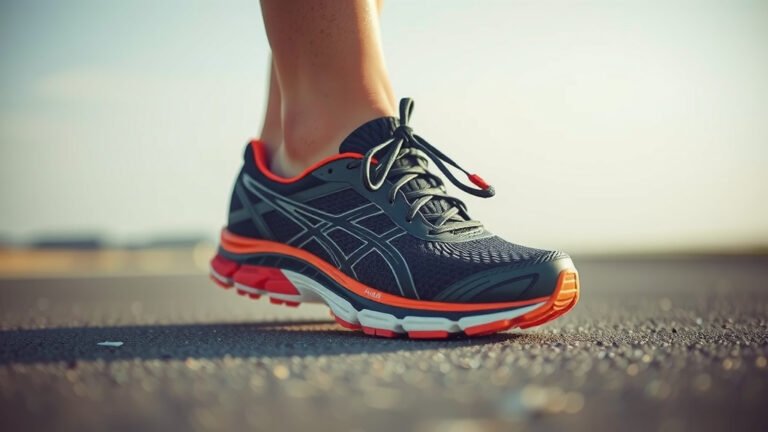
Best Running Shoes for Older Runners: A 2026 Guide
Choosing the right running shoes for older runners is about finding the perfect blend of cushioning, support, and comfort. Look for shoes with ample midsole padding to absorb impact and reduce stress on your joints. Brands often offer specific models designed for stability and shock absorption, which are excellent choices for mature athletes.
As we age, our feet may change. You might notice a need for more arch support or a wider toe box. Research and findings suggest that older runners often benefit from shoes that offer a good balance between flexibility and a secure fit. Paying attention to these details can make a big difference in your running experience and help prevent injuries.
- Prioritize cushioning for shock absorption.
- Look for good arch support and stability features.
- Ensure a comfortable fit with enough room for your toes.
- Consider shoes designed for walking or recovery if needed.
Let’s dive into the specifics of what makes a running shoe great for those of us who are a bit more seasoned.
Finding Your Perfect Running Shoe as a Seasoned Runner
Choosing the right running shoes is key to enjoying your runs. As we get older, our bodies change. Our feet might too. We want shoes that offer comfort and protection. Think of them as your running partners. They help you stay active and healthy.
Understanding Your Feet’s Needs
Your feet are unique. They carry you everywhere. Running adds extra stress. Over time, arches can fall. Feet can widen. You might notice new aches. It’s important to listen to your body. What felt good a decade ago might not now. Research shows that foot shape and support needs can shift with age (American Podiatric Medical Association).
Arch Support Matters
Do you have high arches? Or maybe flat feet? Your arch type impacts how your foot lands. High arches can mean less shock absorption. This might require more cushioning. Flat feet can lead to overpronation. This is when your foot rolls inward too much. Stability shoes can help correct this.
Toe Box Freedom
Your toes need room to spread. This is especially true on longer runs. A cramped toe box can cause blisters. It can also lead to bunions or hammer toes. Many experts suggest looking for a wide toe box. This allows your foot to move naturally. You should have about a thumb’s width of space.
Heel Fit and Comfort
The heel collar should feel snug. It shouldn’t rub or cause irritation. A good heel fit prevents slippage. This keeps your foot stable in the shoe. Some shoes have extra padding here. This can add comfort. We found that a secure heel fit greatly reduces blisters.
Key Features to Look For
When you’re shopping, keep these features in mind. They can make a big difference in your comfort and safety.
Cushioning: Your Joint’s Best Friend
This is perhaps the most important feature. As we age, our cartilage wears down. Running impacts our joints. Ample cushioning absorbs this shock. It reduces stress on your knees and hips. Look for shoes with a thick midsole. This is the spongy layer between the upper and the outsole.
Foam types vary. Some offer a plush feel. Others provide a firmer, more responsive ride. It’s a personal preference. Many brands use proprietary foams for this. We found that a balance is often best. Too much softness can feel unstable. Too little can feel harsh.
Stability vs. Neutral Shoes
This is a big decision. It depends on your foot’s motion.
Neutral Shoes
These are for runners with a neutral gait. Your foot lands and rolls smoothly. Neutral shoes offer cushioning. They don’t have extra features to control motion. If your foot doesn’t roll excessively inward or outward, these might be for you.
Stability Shoes
These are for runners who overpronate. They have features to help guide your foot. This might include a firmer foam on the inside of the shoe. Or it could be a plastic support structure. These shoes help keep your foot aligned. This can prevent injuries.
How do you know which you need? A running store professional can help. They can watch you walk or run. They’ll assess your gait. This is a great way to find out your needs.
Flexibility: Letting Your Foot Move
While you need support, the shoe shouldn’t be too rigid. It needs to bend with your foot. The shoe should flex at the ball of your foot. This is where your toes naturally bend. A shoe that’s too stiff can make running feel unnatural. It can also cause strain.
Outsole: Grip and Durability
The outsole is the bottom of the shoe. It provides traction. You want good grip on various surfaces. Look for durable rubber. This will help your shoes last longer. Uneven terrain or slippery paths require good tread.
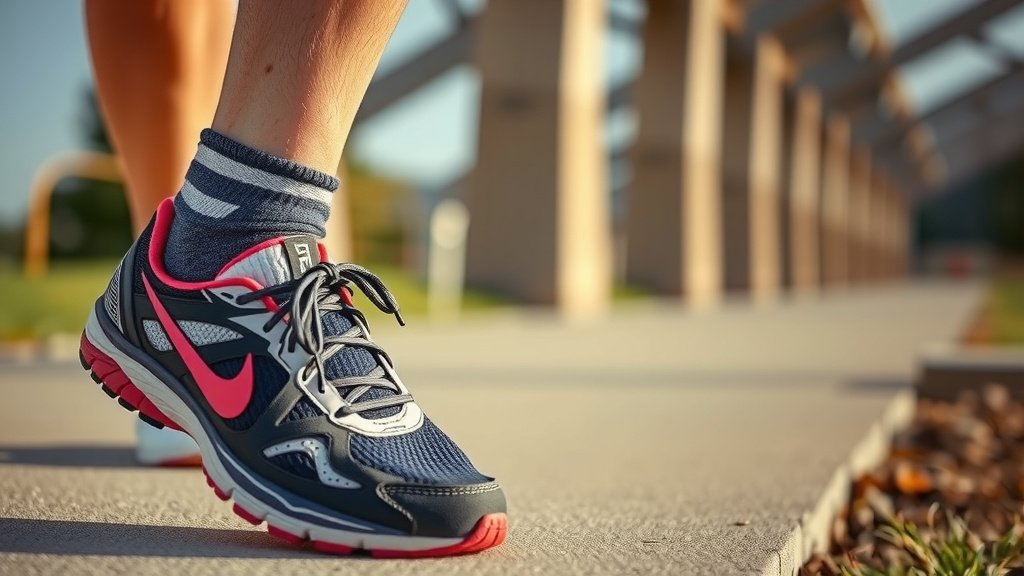
Tried and Tested Features for Older Runners
Here’s a quick checklist. It summarizes what to look for:
- Plenty of cushioning for shock absorption.
- Good arch support that matches your foot type.
- A wide toe box for natural foot splay.
- A secure heel fit to prevent slippage.
- Breathable upper material to keep feet cool.
- Consider shoes with reflective elements for visibility.
When to Consider Walking or Recovery Shoes
Not every day is a running day. Sometimes, your body needs a break. Or perhaps you’re just starting out. Walking shoes offer excellent cushioning and support. They are often more rigid than running shoes. Recovery shoes can also be great. They are designed for comfort after intense activity. They often feature plush cushioning. Many experts suggest these types of shoes for rest days (Cleveland Clinic).
If you have specific foot conditions, like plantar fasciitis, consult a podiatrist. They can recommend the best shoe types for your situation. Your doctor’s advice is always a good starting point.
Conclusion
Choosing the right running shoes as a seasoned runner is an investment in your health and enjoyment. You’ve learned that focusing on cushioning, the right arch support, and a comfortable, wide toe box is key. Remember to consider whether you need a neutral or stability shoe. Don’t hesitate to visit a specialty running store for personalized advice. Your next step is to apply this knowledge to find a pair that makes every run feel great!
Frequently Asked Questions
How often should I replace my running shoes?
As a seasoned runner, your shoes take a beating. Most experts suggest replacing running shoes every 300-500 miles. You might notice less cushioning or increased aches if it’s time for a new pair. Keep track of your mileage to be sure.
Can I use walking shoes for running?
While walking shoes offer great cushioning and support, they aren’t ideal for running. Running shoes are designed with specific shock absorption and flexibility for the impact of running. Walking shoes are typically more rigid. They may not provide the right kind of support for your running gait.
What if I have foot pain after running?
Foot pain can be a sign that your shoes aren’t right. Pay attention to the cushioning and support your shoes offer. You might need more shock absorption or better arch support. Consulting a podiatrist can help identify underlying issues and recommend the best shoe types for you.
Does brand matter when choosing running shoes?
Brand can matter, but your individual foot needs are more important. Many brands offer excellent shoes for older runners. Focus on the features like cushioning and support that work for your feet. Try on several brands to see which fit and feel best for your stride.
How do I know if I need stability shoes?
You likely need stability shoes if your foot rolls inward excessively after landing (overpronation). A good running store can assess your gait by watching you walk or run. They can tell you if you have a neutral gait or if you would benefit from stability features.