Cushioned vs Firm Midsole: Which is Right for You
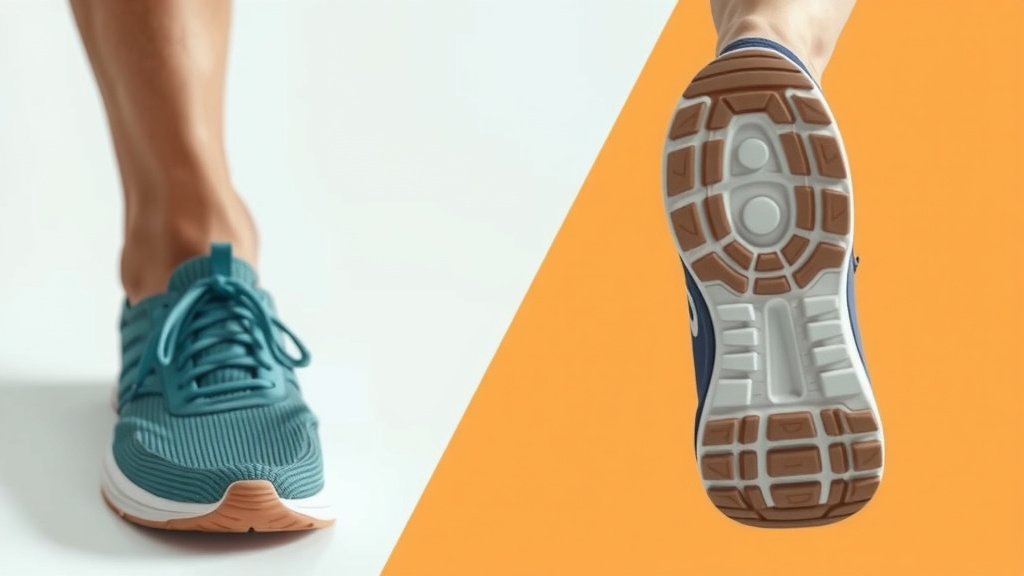
Choosing between a cushioned and firm midsole depends on your personal preferences and running style. Cushioned midsoles offer a softer, more forgiving feel, which can be great for absorbing impact. Firm midsoles provide a more stable and responsive ride, often preferred by runners who want to feel more connected to the ground.
The right choice can impact your comfort and performance. Many runners find that the right midsole can help prevent injuries. We found that understanding the differences is the first step to finding your perfect shoe. It’s all about what feels best for your feet.
- Cushioned midsoles = soft and shock-absorbing.
- Firm midsoles = stable and responsive.
- Your preference is key for comfort.
- The right choice aids performance.
Let’s dive deeper into what makes each type unique and how to figure out which one is the best fit for you.
Understanding Your Running Shoe’s Midsole: Cushioned vs. Firm
The midsole is the heart of your running shoe. It’s the layer sandwiched between the outsole and the upper. This is where most of the magic happens for comfort and performance. When we talk about cushioned versus firm midsoles, we’re talking about two very different feelings underfoot. Your choice here really boils down to what makes your feet happy on the run.
What Exactly Does a Cushioned Midsole Do For You?
Think of a cushioned midsole as a soft pillow for your feet. Its primary job is to soak up shock. When you run, your feet hit the ground with force. A plush midsole helps reduce that impact. This can make your runs feel more comfortable, especially on hard surfaces like pavement. It’s like having a built-in shock absorber.
The Feel of Softness
A cushioned shoe often feels plush and forgiving right out of the box. You’ll likely notice this softness immediately when you try them on. It’s a forgiving feel that can be very appealing, especially if you’re new to running or prone to aches and pains. Many runners love this sensation for long runs where fatigue can set in.
Who Benefits Most from Cushioning?
Runners who prefer a softer landing tend to gravitate toward cushioned shoes. This includes:
- Those running on hard surfaces like roads or concrete.
- Runners looking for maximum impact absorption.
- Anyone who wants a more relaxed and comfortable ride.
- Heavier runners who can benefit from extra shock absorption.
- Runners with joint pain or issues, as research suggests cushioning can help (NCBI).
Exploring the World of Firm Midsoles
A firm midsole offers a different experience. Instead of deep softness, it provides a more stable and responsive feel. You’ll feel more connected to the ground beneath you. This type of midsole is often built for speed and efficiency.
The Responsive Ride
When you push off the ground in a firm shoe, you get a quicker rebound. This responsiveness means less energy is lost with each stride. It can feel like the shoe is helping you spring forward. Many runners find this sensation gives them a feeling of propulsion and speed.
When Does Firm Make Sense?
Firm midsoles are often favored by:
- Runners who want to feel the ground and react quickly.
- Those participating in races or speed workouts.
- Runners who prefer a shoe that feels less “mushy”.
- Lighter runners who don’t need as much aggressive shock absorption.
- People who want a more stable platform for their stride.
Key Differences at a Glance
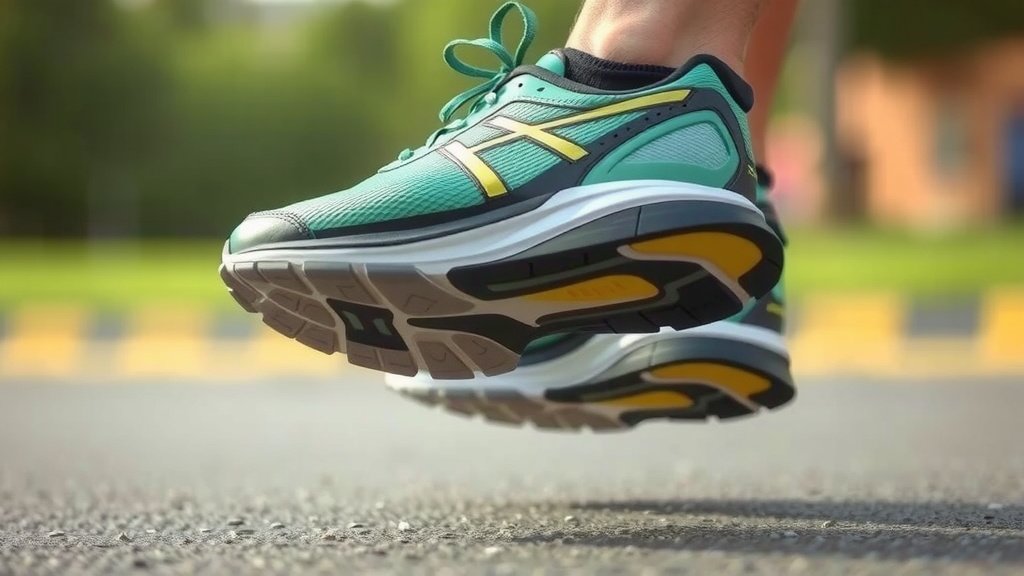
Let’s break down the core differences to help you visualize:
| Feature | Cushioned Midsole | Firm Midsole |
|---|---|---|
| Primary Benefit | Shock Absorption, Comfort | Responsiveness, Stability |
| Feel Underfoot | Soft, Plush, Forgiving | Solid, Connected, Responsive |
| Energy Return | Moderate | Higher |
| Best For | Long runs, hard surfaces, comfort seekers | Speed work, races, ground feel preference |
| Impact Protection | High | Moderate |
Testing Out the Feel: Your Personal Journey
The best way to know which is right for you is to try them on. Walk around the store. Jog a few steps if you can. How does each shoe feel? Does one make your feet say “ahhh” while the other makes them feel more energetic? Don’t just rely on what others say. Your feet are unique.
Consider Your Running Habits
Where do you usually run? If it’s mostly roads, extra cushioning might be a good idea. If you run on softer trails, you might not need as much. Are you training for a marathon or just enjoying casual jogs? Your goals play a big role. Many experts suggest matching your shoe to your typical training.
The Role of Foot Type and Gait
Your natural foot strike and arch type can also influence your preference. Some runners with flatter arches might feel more stable in a firmer shoe. Those with high arches might seek out more cushioning to help with shock absorption. Observing your own gait can be helpful. However, research shows that the “perfect” shoe for your gait type isn’t always clear-cut. Comfort is often the best indicator (Cleveland Clinic). Your natural foot strike can influence your preference, as detailed in our guide on choosing shoes by foot strike.
Don’t Forget Material Matters
The type of foam used in the midsole makes a big difference. Materials like EVA are common and can be made to be either soft or firm. Newer foams, like those made from PEBA or TPU, are often lighter and offer a great balance of cushioning and energy return. Brands play with these materials to create unique feels.
Making Your Final Choice: A Quick Checklist
To help you decide, ask yourself these questions:
- Do I want my shoe to feel soft and absorb impact, or responsive and fast?
- Where do I do most of my running (roads, trails, track)?
- Am I training for speed or focusing on comfort for long distances?
- Do I have any specific aches or pains I need the shoe to help with?
- What feels most comfortable when I try different shoes on?
By considering these points, you’re well on your way to finding the midsole that will make your runs more enjoyable. It’s all about listening to your body and finding that perfect blend of support and feel.
Conclusion
You’ve learned that your running shoe’s midsole is key to comfort and performance. A cushioned midsole offers plush shock absorption for softer landings. A firm midsole provides a stable, responsive ride for better ground feel. Neither is universally better; the right choice depends on your running habits, surface, and personal preference. We found that comfort is your best guide. Don’t hesitate to try on different shoes. Your next perfect run might just start with finding the right feel underfoot.
Frequently Asked Questions
Can a firm midsole actually be good for injury prevention?
Yes, a firm midsole can help some runners prevent injuries. It offers a stable platform that can reduce excessive foot motion. For runners who pronate or need more stability, a firmer shoe might provide better support than a very soft one.
What happens if I choose the wrong type of midsole?
Choosing the wrong midsole can lead to discomfort or even injury. Too much cushioning might feel mushy and reduce your sense of control. Too little might not absorb enough impact, leading to aches on hard surfaces. Your feet will likely tell you if it’s not the right fit.
Are newer shoe foams (like PEBA/TPU) always better than traditional EVA?
Newer foams can offer an exciting balance of lightweight cushioning and energy return. However, “better” is subjective. Traditional EVA can still be engineered to provide excellent cushioning or firmness. The material is just one piece of the puzzle; the shoe’s overall design matters most.
Does my weight affect whether I should choose a cushioned or firm shoe?
Generally, heavier runners tend to benefit more from greater cushioning. This extra softness helps absorb the increased impact forces that come with a higher body weight. Lighter runners might find firmer shoes offer enough protection and more responsiveness.
Can I switch between cushioned and firm shoes for different types of runs?
Absolutely! Many runners have multiple pairs of shoes to suit different needs. You might use a highly cushioned shoe for long, easy runs and a firmer, more responsive shoe for speed workouts or races. This allows you to tailor your footwear to your training demands.