What Is A Running Shoe Rock Plate For Trail Runners
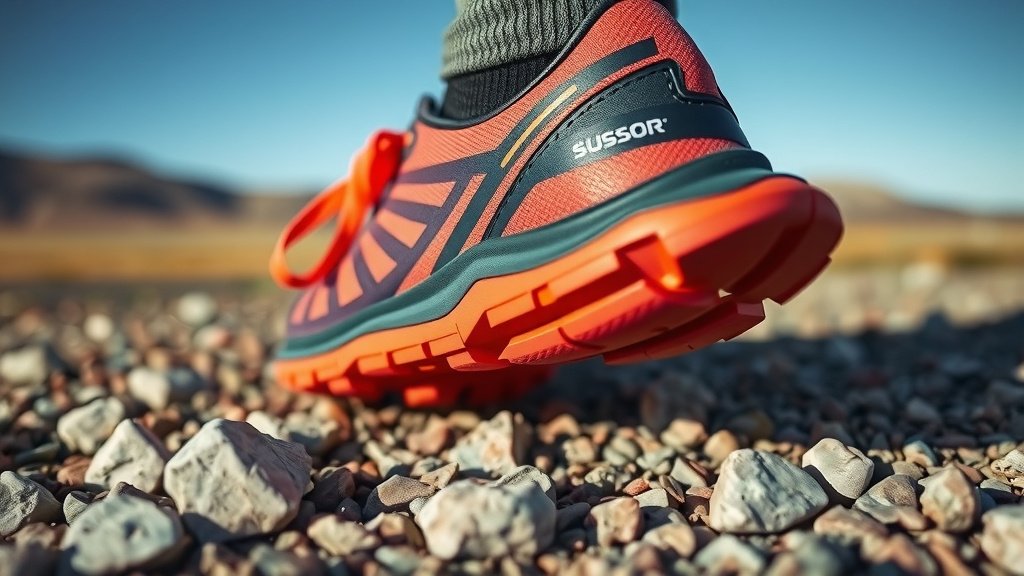
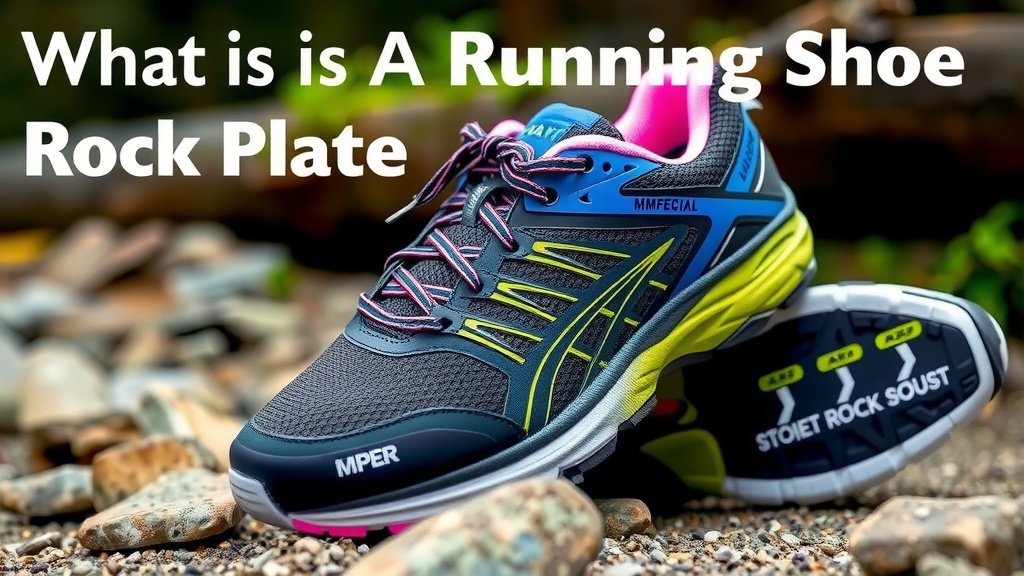
A running shoe rock plate is a thin, rigid layer found in the midsole of some running shoes. Its main job is to protect your feet from sharp rocks and roots. Think of it like a tiny shield built right into your shoe. It helps prevent uncomfortable pokes and bruises on the trail.
These plates are especially common in trail running shoes, where the terrain can be unpredictable. While they add protection, they don’t make the shoe completely stiff. Modern designs aim for a balance between comfort and defense. They help you feel more confident on uneven surfaces.
- A rock plate is a protective layer in running shoes.
- It shields your feet from sharp objects on trails.
- Often found in trail running shoes.
- Offers a balance of protection and flexibility.
Let’s break down exactly what a rock plate does and how it can benefit your runs.
Understanding the Role of a Rock Plate in Your Running Shoes
So, you’ve heard about rock plates, but what exactly are they? Simply put, a rock plate is a thin, flexible layer embedded in the midsole of some running shoes. Its primary mission is to act as a shield. It keeps your feet safe from sharp objects on the trail.
What Does a Rock Plate Actually Do?
Imagine you’re hitting a trail, and your foot lands on a pointy rock or a sharp root. Without protection, that sharp edge could dig into your sole, causing a nasty poke or bruise. A rock plate is designed to deflect these sharp objects. It spreads the impact over a wider area of your foot.
This means you’re less likely to feel those jarring, painful jabs. Think of it like walking on tiny pebbles versus stepping on a single sharp stone. The rock plate helps transform those sharp points into more of a diffused pressure.
How it Protects Your Soles
The material of the rock plate is key. It’s usually made of a firm plastic or a composite material. This gives it rigidity. It’s strong enough to prevent sharp things from penetrating the shoe. Yet, it’s flexible enough not to feel like you’re running on a board.
Balancing Protection and Feel
One of the biggest concerns runners have is that a rock plate will make their shoes too stiff. Modern shoe designers have worked hard to avoid this. They engineer the plates to be strategically placed within the midsole. This allows for some forefoot flexibility. You still get that natural feel with every stride.
Where Will You Find Rock Plates?
Rock plates are most commonly found in trail running shoes. The trails are where the terrain is unpredictable. You’ll encounter rocks, roots, and other rough surfaces. These shoes are built to handle that kind of challenge.
Some road running shoes might incorporate similar protective elements. However, they are far less common. Road surfaces are generally smoother. The need for such intense protection is lower.
Trail Running: The Natural Habitat
If you’re a trail runner, especially on technical or rocky trails, a rock plate is something you’ll want to consider. It can genuinely improve your comfort and confidence on the run. You can focus more on the scenery and less on where you’re placing your feet.
Are They in All Trail Shoes?
No, not all trail running shoes have rock plates. Some brands offer models with and without them. This gives runners a choice. Some prefer the maximum protection a plate offers. Others might want a more minimalist feel, even on trails.
Materials and Design: What’s Inside?
The type of material used for a rock plate can vary. You’ll often see them made from durable plastics like nylon or TPU (thermoplastic polyurethane). Sometimes, carbon fiber composites are used for a lighter yet still protective option.
The thickness and placement of the plate are also critical design elements. A plate that’s too thick or too rigid can negatively impact your run. Shoe designers aim for a plate that offers protection without compromising the shoe’s overall responsiveness and flexibility.
| Material | Pros | Cons |
|---|---|---|
| Nylon | Flexible, durable, cost-effective | Can sometimes be heavier than other options |
| TPU | Good flexibility, durable, often lighter than nylon | Can be more expensive than basic nylon |
| Carbon Fiber Composite | Very lightweight, stiff, excellent energy return | Most expensive, can be less flexible |
Who Benefits Most from a Rock Plate?
Rock plates are particularly helpful for runners who frequently encounter rocky or root-filled trails. If you’ve ever experienced sharp foot pain on a run from stepping on an object, a rock plate could be a game-changer for you.
Runners who tend to be less agile or have a history of foot injuries might also find them beneficial. The added protection can help prevent new injuries. It can also make running on challenging terrain feel less daunting. Many experts suggest they can help reduce fatigue over longer distances, too (Harvard Health Publishing).
When Might You Skip a Rock Plate?
If you primarily run on well-groomed trails, soft dirt paths, or roads, you likely won’t need a rock plate. In these cases, it might add unnecessary weight or slightly alter the shoe’s feel without providing a clear benefit. Some runners also prefer the direct ground feel that shoes without rock plates offer.
Making Your Choice: Key Considerations
When looking at running shoes, here are a few things to keep in mind regarding rock plates:
- Trail Type: What kind of trails do you run on most often?
- Personal Preference: Do you like a sensitive feel or more protection?
- Foot Sensitivity: Are your feet particularly prone to sharp pains?
- Shoe Reviews: See what other runners say about the plate’s performance.
- Brand Offerings: Many brands offer similar shoes with and without plates.
Conclusion
You’ve learned that a running shoe rock plate is a protective layer designed for challenging terrain. It shields your feet from sharp trail hazards, preventing painful jabs. While essential for many trail runners, it’s not a one-size-fits-all feature. The material and design aim to balance protection with flexibility, so you don’t sacrifice feel. Consider your typical running surfaces and personal foot sensitivity. By understanding rock plates, you can make a more informed decision. Next time you’re shoe shopping, check for this protective feature if your runs take you off the beaten path.
Frequently Asked Questions
Do rock plates make shoes feel heavier?
Rock plates are typically very thin and made of lightweight materials like nylon or carbon fiber. While they add a tiny bit of weight, most runners find it unnoticeable. The added protection usually outweighs any minimal increase in weight.
Can I add a rock plate to my current running shoes?
You cannot add an aftermarket rock plate to your existing shoes. Rock plates are built directly into the midsole during the manufacturing process. They are an integrated part of the shoe’s construction.
Will a rock plate hurt my flexibility on smooth trails?
Modern rock plates are engineered to be flexible. They are strategically placed to allow for natural foot movement. On smoother trails, you might notice a slight difference, but it’s usually minimal. Many runners find they still have good ground feel.
Are rock plates only for ultra-marathoners?
No, rock plates are beneficial for any runner who frequently encounters rocky or root-filled trails. Whether you’re running a 5k or an ultra, if your feet are getting poked, a rock plate can help. It’s about the terrain, not just the distance.
How do I know if a shoe has a rock plate?
Shoe manufacturers will clearly state if a shoe includes a rock plate in its product description. You can usually find this information on the brand’s website or on the retail product page. Sometimes it’s mentioned in shoe reviews as well.