Finding the Best Running Shoes for Small Feet
Choosing running shoes for small feet isn’t about magic tricks. It’s about finding the right fit and support for your unique size. You want shoes that hug your foot without feeling cramped, offering excellent cushioning and stability. Don’t let your shoe size feel like a limitation; it just means you need to be a little more **specific** in your search.
Many runners with smaller feet worry about finding shoes that don’t feel clunky or oversized. We understand that frustration! The good news is, most major brands offer models that come in smaller sizes and are designed to accommodate a narrower foot. Focus on how the shoe feels throughout your stride, not just when you stand still.
- Look for shoes with a snug midfoot and heel.
- Prioritize good cushioning for shock absorption.
- Consider brands known for offering narrower widths.
- Always try them on and walk or jog a bit.
Let’s walk through exactly how to find the perfect running shoes for your smaller feet, so you can hit the pavement with confidence and comfort.
Finding the Right Running Shoes for Smaller Feet
When your feet are on the smaller side, shoe shopping can feel like a constant battle. You might find yourself drawn to shoes that look great but feel a bit too roomy. The good news is, you don’t have to settle for less-than-perfect. We’ve researched how to find running shoes that are made for you. The key is to focus on a snug fit and the right kind of support.
Understanding Your Foot Type and Needs
Before you even think about brands or models, let’s understand what your feet need. This is the foundation for a happy running experience. When you know your foot type, you can make smarter choices.
Arch Type Matters
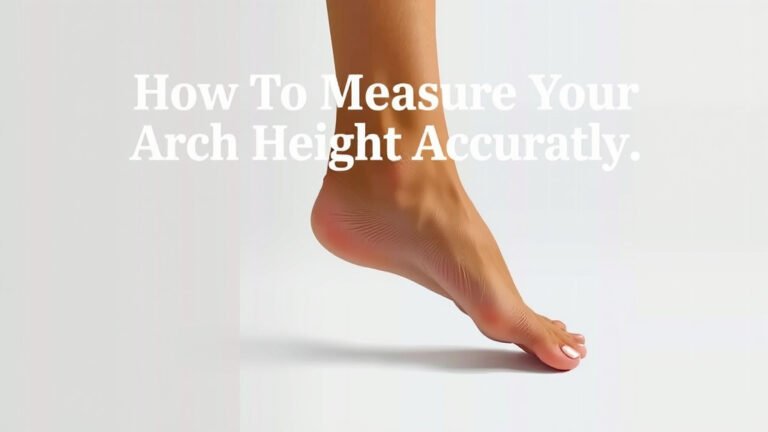
Your arch height plays a big role in how your foot moves. Most runners fall into one of three categories. Knowing yours helps you pick the right support.
High Arches
If you have high arches, your feet might not flatten much when you land. You probably need shoes with plenty of cushioning. This helps absorb shock since your foot doesn’t do it as naturally. We found that shoes with a neutral feel are often best here.
Normal Arches
Most people have normal arches. Your feet should have a good pronation, meaning they roll inward slightly. This is a natural shock absorption mechanism. You likely need a neutral shoe with a good balance of cushioning and support.
Flat Feet
If your feet tend to flatten out completely when you run, you might have flat feet. This can sometimes lead to overpronation, where your foot rolls inward too much. You’ll want shoes that offer more stability to guide your foot properly. We found that stability shoes can make a big difference for comfort.
Gait Analysis: How Your Foot Strikes
Your gait is how your foot moves when you run. Observing this can help you choose the best shoes. Many specialty running stores offer a free gait analysis. They’ll watch you walk or run on a treadmill.
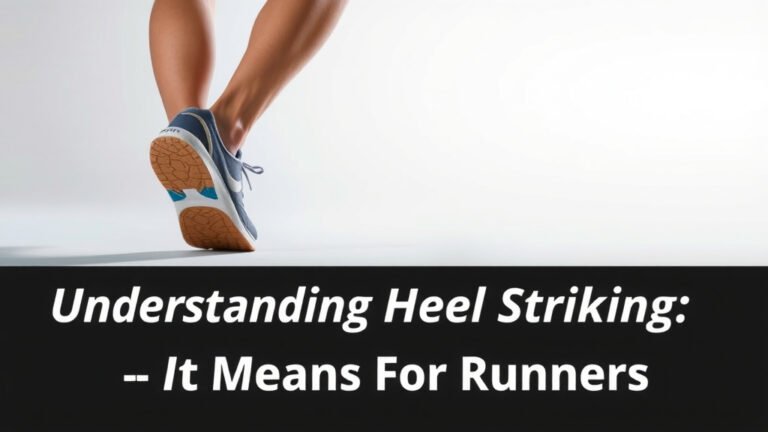
A neutral gait means your foot lands and rolls efficiently. Overpronation means your foot rolls inward excessively. Supination (or underpronation) means your foot doesn’t roll inward enough, often seen with high arches. Understanding this helps you match your needs with shoe features.
Key Features to Look For in Running Shoes for Small Feet
Once you know your foot type, you can start looking at shoe features. For smaller feet, it’s all about achieving that perfect, secure feel. You don’t want your foot sliding around inside.
Narrower Width Options
This is often the biggest challenge for runners with small feet. Many standard running shoes are designed for average or wider feet. If you try on a standard width and it feels too loose, look for brands that offer narrow (2A) or extra-narrow (XXS) widths. We found that some brands are better than others in this regard.
Don’t be afraid to ask a sales associate about narrow options. They can guide you to models that come in smaller sizes with narrower widths. It makes a huge difference in how the shoe feels.
Snug Midfoot and Heel Fit
A shoe that feels secure around your midfoot is essential. This part of the shoe, often called the saddle, should wrap your arch comfortably without being too tight. You shouldn’t feel any pinching. The heel counter, the stiff part at the back of the shoe, should hold your heel snugly. Your heel should not slip up and down when you walk or run.
Appropriate Cushioning Levels
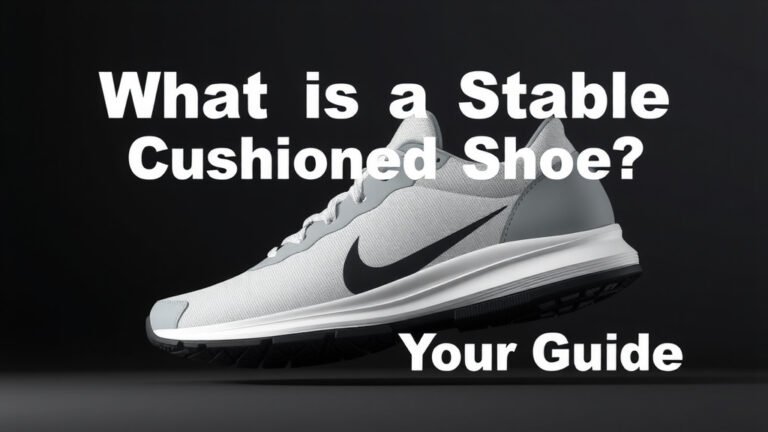
Cushioning is your best friend for shock absorption. How much you need depends on your foot type and running surface. For smaller feet, you want cushioning that feels responsive, not mushy or overly bulky. We found that runners often prefer a bit more cushioning on longer runs or for road running.
Lightweight Design
Bulky shoes can feel like lead weights on your feet, especially if they’re not the right size. Look for shoes that feel lightweight. This doesn’t mean sacrificing support or cushioning, but rather finding a shoe that balances these features well. A lighter shoe can help you feel quicker and more agile.
Top Brands and Models Known for Smaller Sizes
While many brands offer smaller sizes, some have a reputation for catering to narrower feet or having excellent options across their range. We’ve seen that these brands often get positive reviews for their fit.
Brands to Consider
Here are a few brands that often have good options for runners needing smaller or narrower shoes:
- New Balance: They are well-known for offering a wide range of widths, including narrow options, across many of their popular running models.
- Brooks: Brooks often has models available in smaller sizes and sometimes offers narrower widths in their more popular stability and neutral shoes.
- ASICS: Many ASICS shoes are designed with a secure midfoot, and they do offer smaller sizes.
- Saucony: They provide a good selection of neutral and stability shoes that can come in smaller sizes.
What to Do When Trying Them On
Trying shoes on is non-negotiable. Here’s your checklist for the perfect fit:
- Wear your running socks: Always try shoes on with the socks you’ll actually run in.
- Check the length: You should have about a thumb’s width of space between your longest toe and the end of the shoe.
- Feel the width: Your foot should feel snug but not squeezed. No bulging over the sides.
- Walk and jog around: Mimic your running motion. Do your feet feel stable and comfortable?
- Lace them up properly: Experiment with lacing techniques. Sometimes a different lacing pattern can improve the fit.
A Quick Comparison of Shoe Types
Understanding the basic categories can help you narrow down your search. We found this table is helpful for a quick overview.
| Shoe Type | Best For | Key Features |
|---|---|---|
| Neutral Shoes | Normal arches, neutral gait | Good cushioning, flexible |
| Stability Shoes | Flat feet, overpronation | Medial support, firmer midsole |
| Motion Control Shoes | Severe overpronation, flat feet | Maximum support, stiff construction |
| Cushioned Shoes | High arches, neutral gait | Plush cushioning, flexibility |
Remember, even with these categories, the fit for your smaller feet is the most important factor. A stability shoe that fits perfectly will be better than a neutral shoe that’s too loose.
Conclusion
Finding the right running shoes for your small feet doesn’t have to be a challenge. By understanding your arch type and gait, you can pinpoint the support and cushioning you need. Focus on features like a snug midfoot and heel, and don’t shy away from seeking out narrower width options. Brands like New Balance, Brooks, ASICS, and Saucony often have excellent choices. Your next step is to visit a specialty running store, armed with this knowledge, and try on several pairs. Walk, jog, and feel for that perfect, secure fit so you can enjoy every mile.
Frequently Asked Questions
Can I just buy a women’s running shoe if I have small feet?
While many women’s running shoes come in smaller sizes, they might still be designed for a standard or wider foot width. For a truly secure fit, you’ll want to check if the model is available in a narrow width (2A) or if the shoe’s overall construction offers a snugger feel around your midfoot and heel.
What if a brand doesn’t offer narrow widths for my size?
If your preferred brand doesn’t offer narrow widths in smaller sizes, focus on how the shoe’s internal structure fits. Look for shoes with a well-designed lacing system that allows you to cinch down the midfoot securely. Sometimes, a shoe with a naturally more contoured shape can also provide a good fit.
How much space should I leave at the end of my running shoe?
You should aim for about a thumb’s width of space between your longest toe and the end of the shoe. This is crucial for allowing your feet to swell slightly during a run and preventing your toes from hitting the front of the shoe, which can cause discomfort or injury.
Are minimalist shoes a good option for small feet?
Minimalist shoes offer less cushioning and support, and their fit can vary greatly. If you have small feet, you’ll still need to prioritize a snug fit. Some minimalist shoes are designed with a more streamlined construction that might work well, but you must try them on to ensure they don’t feel too loose or sloppy.
Can I buy running shoes online if I have small feet?
Buying online can be convenient, but it’s tricky for finding the perfect fit, especially with small feet. If you do buy online, stick to brands and models you’ve tried and know fit well, or ensure the retailer has a very generous return policy. Trying them on in person is always the best first step.