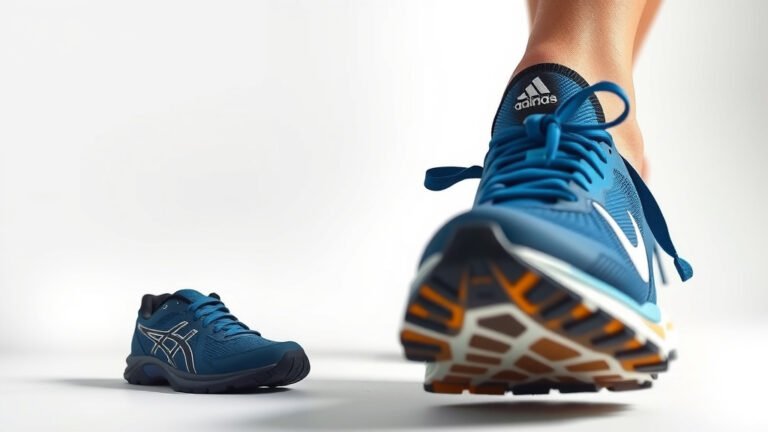
Running Shoe Last Explained: What It Is & Why It Matters
A running shoe last is essentially the foot-shaped mold that a shoe is built around. It determines the shoe’s overall shape, width, and volume. Think of it as the skeleton that gives your running shoe its structure and fit. You can’t have a running shoe without one!
Understanding the last is key to finding shoes that feel great on your feet. Different lasts create shoes suited for various foot shapes and running styles. A shoe’s last influences its flexibility and how it interacts with the ground. It’s a surprisingly important detail for your comfort.
- The running shoe last is the foot-shaped mold shoes are built on.
- It dictates the shoe’s shape, width, and how it fits your foot.
- Different lasts are designed for different foot types and running needs.
- It plays a big role in how a shoe feels and performs.
Ready to learn more about how this mold impacts your runs? Let’s dive into the details of what a running shoe last really is and why it matters for your stride.
Understanding the Foundation: What a Running Shoe’s Last Is
The running shoe last is the foot-shaped mold that a shoe is built around. It dictates the shoe’s overall shape, width, and volume. Think of it as the skeleton that gives your running shoe its structure and fit.
You can’t have a running shoe without one! Understanding the last is key to finding shoes that feel great on your feet. Different lasts create shoes suited for various foot shapes and running styles. A shoe’s last influences its flexibility and how it interacts with the ground. It’s a surprisingly important detail for your comfort.
The Anatomy of a Running Shoe Last
So, what exactly makes up this critical shoe component? Let’s break it down. The last isn’t just a simple foot shape; it has several distinct parts, each contributing to the final shoe’s feel and function.
Key Components of a Running Shoe Last
When shoe designers create a running shoe, they start with a last. This mold has a specific heel, midfoot, and forefoot shape. The width of the last determines if the shoe will be narrow, standard, or wide. Its height and curves also influence how much space is inside the shoe.
Heel Cup: This is the part that cradles your heel. A well-shaped heel cup will keep your heel from slipping, which is vital for preventing blisters and maintaining stability. Some lasts have a deeper heel cup for more security.
Midfoot: This section shapes the arch area of the shoe. The curvature here affects how the shoe wraps around your foot. A more curved last might suit a higher arch, while a flatter one could be better for a lower arch.
Forefoot: This is where your toes rest. The width and shape of the forefoot are super important. If it’s too narrow, your toes will feel squished, leading to discomfort or even injury. A wider toe box allows your toes to splay naturally.
Materials and Construction of Lasts
Historically, lasts were often made from wood. Today, shoe manufacturers use various materials for their lasts. These can include hard plastic, metal, or even composites. The material choice can affect the precision and durability of the last itself.
Many companies use 3D scanning technology to create precise digital models of feet. These models are then used to craft sophisticated lasts. This helps ensure a more accurate and consistent fit across different shoe sizes and models.
How Different Lasts Affect Shoe Fit and Feel
The type of last used by a shoe brand is a primary driver of how a shoe will feel on your foot. It’s not just about the cushioning or the upper material; the underlying shape matters immensely.
Straight vs. Curved Lasts
Lasts generally fall into two categories: straight or curved. A straight last offers more room in the forefoot and a more accommodating fit. It’s often found in stability shoes because it provides a wider base.
A curved last has a more aggressive angle from heel to toe. This results in a snugger fit, especially around the midfoot and forefoot. Curved lasts are common in racing flats and lightweight trainers, aiming for a more agile feel.
Neutral vs. Stability Lasts
The design of a last can also indicate the type of support a shoe offers. Neutral lasts are designed to accommodate a wide range of foot types without adding specific support features. They typically have a more balanced shape.
Stability lasts often feature a straighter profile or a wider base. They are designed to help control pronation, which is the inward rolling of the foot. These lasts might have specific structural elements built into the shoe’s design to guide your foot.
Considerations for Foot Shape
Your foot shape is a major factor in choosing the right shoe. Do you have a high arch, a low arch, or a neutral arch? Are your feet wide or narrow? These characteristics are directly addressed by the type of last used.
For example, someone with wide feet might find shoes built on a straighter, wider last to be much more comfortable. Conversely, a runner with narrow feet might need to look for shoes specifically designed with a narrower last, or perhaps opt for ‘narrow’ width options if available.

The Last’s Influence on Performance and Comfort
Beyond just fit, the running shoe last has a significant impact on how the shoe performs during your runs and how comfortable your feet feel mile after mile. It’s a foundational element that influences many aspects of the shoe’s interaction with your stride.
Flexibility and Responsiveness
The shape of the last influences where a shoe will naturally bend. A last that is very straight might lead to a shoe that is stiffer. A more curved last can result in a shoe that flexes more easily with your foot’s natural motion.
This flexibility is key to how responsive a shoe feels. A shoe that bends at the right point of your foot can feel more energetic and less restrictive. The last plays a role in determining that bend point. We found that many runners prefer a shoe that bends with their foot, not against it (Journal of Biomechanics).
Volume and Volume Distribution
The last also determines the overall volume of the shoe – how much space is inside. This isn’t just about width; it’s also about height and depth. Some lasts create shoes with a high volume, offering plenty of room for thicker socks or swollen feet.
Others are designed for lower volume, providing a more snug, locked-down feel. This distribution of volume is critical. If a shoe’s volume doesn’t match your foot’s volume, you can experience rubbing, pressure points, or a feeling of instability, regardless of the shoe’s other features.
Choosing Running Shoes Based on the Last
While you won’t often see the specific “last type” listed on a shoe’s tag, understanding its influence can help you make better choices. It’s about connecting what you feel to the shoe’s construction.
Tips for Finding Your Ideal Fit
When you try on running shoes, pay attention to how they feel in key areas. Does the toe box feel roomy enough? Does the heel cup feel secure? Is the arch support (or lack thereof) comfortable for your foot?
If a particular brand or model consistently feels good, it’s likely that their lasts are a good match for your foot shape. Conversely, if you always struggle with a certain brand, their lasts might not be compatible with your foot’s mechanics.
Consider Your Foot Type
Are your feet wide? Do you have high arches? Knowing your foot’s unique characteristics is the first step. Many specialty running stores offer gait analysis and foot-bed assessments to help you understand your needs.
Try Different Brands
Don’t be afraid to try shoes from various manufacturers. Each brand often uses its own set of lasts, developed over years of research and development. What works perfectly for one person might not work for another, and that’s okay!
Pay Attention to the Toe Box Shape
The shape and width of the toe box are heavily influenced by the last. If you experience toe splay issues, numbness, or black toenails, the toe box might be too narrow for you. Look for shoes known for a more generous toe box.
Evaluate Heel Fit
A slipping heel can cause blisters and disrupt your stride. The heel cup of the last shapes this area. If you have narrow heels, you might need to seek out shoes with a more contoured heel design.
Test Flexibility and Ride
Walk and jog in the shoes if possible. Does the shoe bend naturally with your foot? Does it feel smooth or jarring? The last contributes to how the shoe flexes and provides its overall “ride.”
Here’s a quick checklist to keep in mind:
- Does the toe box give your toes room to wiggle?
- Is the heel snug without being tight?
- Does the arch feel supported or comfortably neutral?
- Can you feel any pressure points on the sides of your foot?
- Does the shoe flex where your foot naturally bends?
- Does the shoe feel stable and secure when you move?
Conclusion
You now understand that the running shoe last is the foundational mold that shapes your shoe’s fit and feel. It dictates everything from the toe box room to the heel security. Different lasts cater to various foot shapes and running needs, influencing flexibility and responsiveness.
By paying attention to how a shoe feels in key areas like the toe box and heel, you can better connect your foot’s needs to the underlying last design. Next time you shop, use this knowledge to find running shoes that truly complement your unique stride and keep you comfortable on every run. Happy running!
Frequently Asked Questions
Does the running shoe last affect shoe size?
Yes, the last significantly influences the overall fit and feel, which relates to size. A shoe built on a wider last will feel more accommodating than one on a narrower last, even if they are the same listed size. You might wear a different size in one brand compared to another because of their distinct lasts.
Can I tell what last a shoe uses just by looking at it?
It’s difficult to tell the exact last type just by looking. However, you can infer some characteristics. A shoe with a very pointed toe box might be on a curvier last, while a shoe with a wide, straight-looking forefoot likely uses a straighter last. Observing the overall shape and width gives clues.
Are running shoe lasts the same for men and women?
Generally, no. Men’s and women’s running shoe lasts are designed differently to accommodate typical anatomical differences. Women’s lasts often have a narrower heel and a lower volume overall compared to men’s lasts, reflecting average foot shapes.
How does the last affect pronation control?
The last’s design plays a role in pronation control. Stability shoes often use straighter or wider lasts to provide a more stable base, helping to limit excessive inward rolling of the foot. Curved lasts, common in neutral shoes, offer less inherent stability.
If a shoe feels too tight in the toe box, is it the last?
Often, yes. If the toe box feels constricting and doesn’t allow your toes to splay naturally, the last it was built upon is likely too narrow or has a shape that doesn’t suit your forefoot. This is a common indicator that the shoe’s last isn’t a good match for your foot.