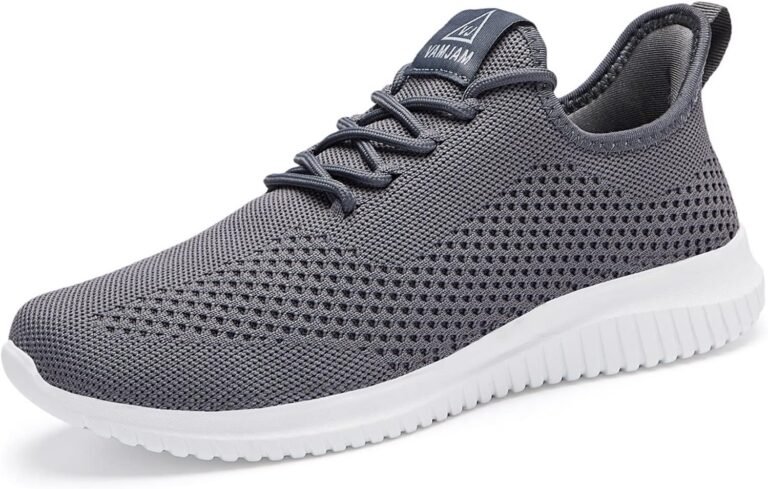
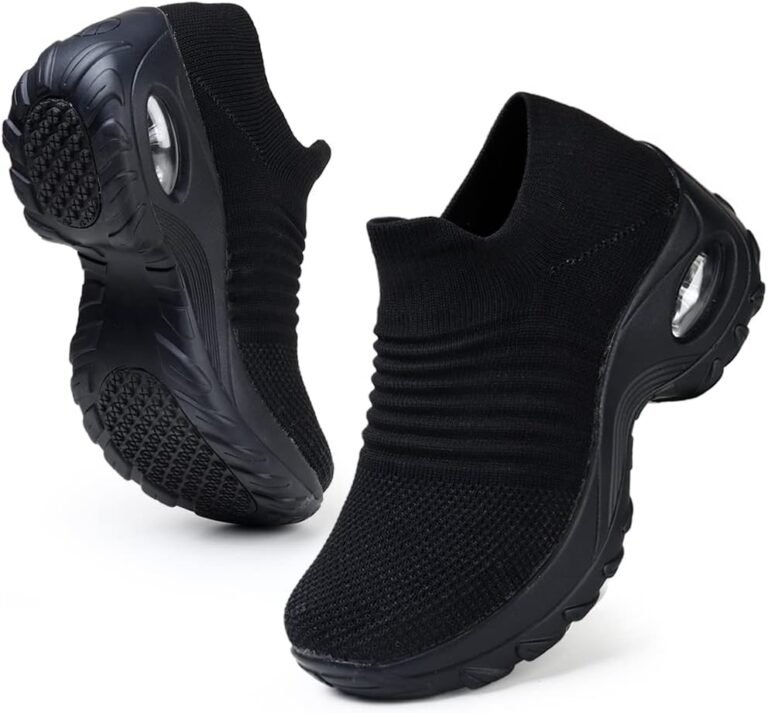
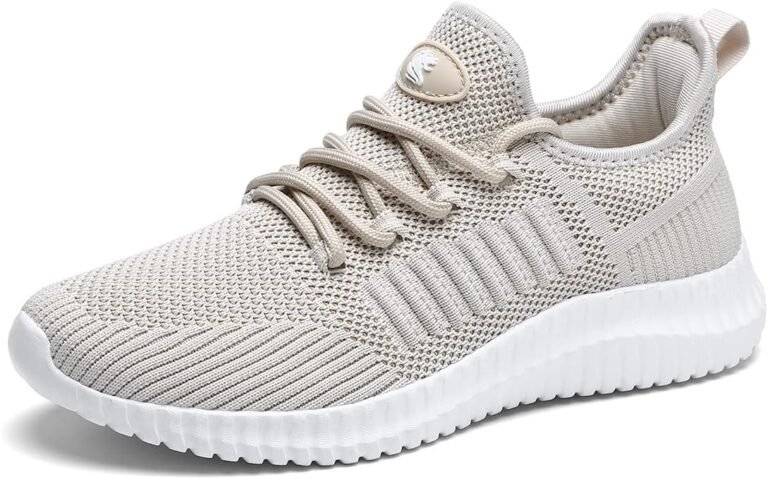
Can You Run in Walking Shoes? Expert Advice
No, walking shoes are not ideal for running, especially if you run regularly or go beyond a light jog. The short answer is that walking shoes lack the cushioning, support, and responsiveness your feet and joints need to handle the higher impact of running. Wearing them for a run could lead to discomfort, pain, or even injury over time.
You might think a shoe is a shoe, but that is not the case. We found that running shoes are built with more shock absorption and sturdier heel support to manage the force of each stride. Walking shoes are designed for a heel-to-toe motion, while running requires a different, more flexible and springy design. Using the wrong type can mess with your stride and make your workout feel much harder than it needs to be.
- Running impact is harder: Running puts about 2-3 times your body weight in force on your joints compared to walking.
- Support is different: Running shoes have arch and heel support for forward motion, while walking shoes prioritize lateral stability.
- It is fine for emergencies: Walking shoes are okay for a very short jog or a walk-run interval if you have no other option.
- Watch for pain: If you run in walking shoes, you may notice sore shins, knees, or heels quickly.
- Safety first: For consistent running, investing in a proper pair of running shoes is the best call for your body.
Below, we break down exactly why these shoes are so different, what you risk by swapping them, and how to tell if you need a new pair of proper running shoes.
Why Running Shoes and Walking Shoes Are Built Differently
We found that the biggest difference comes down to how your foot moves in each activity. Walking keeps one foot on the ground almost the whole time. Your heel strikes first, and you roll smoothly to your toes. It is a gentle, rocking motion.
Running is entirely different. You have a moment where both feet leave the ground. You land with much more force, often on your midfoot or forefoot. That changes everything about what a shoe needs to do.
The Impact of Running on Your Joints
Research shows running places about two to three times your body weight on your joints with every single step. Walking only puts about 1.2 times your body weight in force. That extra load needs serious cushioning to absorb the shock.
Walking shoes simply do not have that level of shock absorption. They are made for steady, lower-impact movement. When you try to run in them, your knees, shins, and ankles take the brunt of the pounding. Many experts say this can lead to overuse injuries over time (Mayo Clinic).
Flexibility and Motion Control
Running shoes are built to bend and flex in ways walking shoes are not. They have more responsiveness in the forefoot to help push you forward. The soles are designed to handle a springy, forward motion.
Walking shoes are stiffer through the middle. They favor lateral stability for side-to-side movement. This makes them feel clunky and heavy when you try to pick up the pace. You will likely notice your stride feels awkward and forced.
What Actually Happens When You Run in Walking Shoes
So, what is the real cost of making this swap? We found that the risks go far beyond just feeling uncomfortable. Your body will give you signals pretty quickly that something is wrong.
Discomfort and Hot Spots
Walking shoes often have a narrower toe box and less forefoot cushioning. When you run, your feet swell and spread out. You will likely feel pinching, rubbing, or pressure points within the first mile.
That rubbing can turn into blisters fast. Your feet need room to move and expand with each impact. Walking shoes just do not offer that kind of space for high-impact movement.
Pain in Your Shins, Knees, and Heels
Without proper heel cushioning, your Achilles tendon and plantar fascia take on extra stress. Many runners report feeling sharp heel pain or shin splints after just a few runs in the wrong footwear.
Your knees also suffer because there is no shock-absorbing layer between you and the ground. Over time, this can lead to issues like runner’s knee or joint inflammation. It is not worth the risk when you know better.
Stability and Ankle Support Problems
Running involves a lot more side-to-side movement than people realize. You need a shoe that helps stabilize your ankle on uneven terrain. Walking shoes have a flatter, wider base designed for stability on pavement.
When you pick up speed, that wide base becomes a liability. You are more likely to roll your ankle or lose your footing. A proper running shoe wraps your foot securely and provides a snug heel lock to prevent slips.
Are There Any Exceptions to the Rule?
We get it. Sometimes you are in a pinch and just need to move. The good news is that an occasional short jog is probably fine. If you are taking a walking shoe out for a casual 10-minute jog, you will likely survive without injury.
When It Might Be Acceptable
- Running to catch a bus or train
- Playing a quick game of tag with your kids
- Doing a short walk-run interval to test fitness
- Running a very easy mile on soft grass or a track
These situations are low-risk because the duration is short. Your form is also less intense than a dedicated workout. Your body can handle a few minutes of extra force here and there.
When You Should Never Do It
If you are training for a 5K, building mileage, or running more than three days a week, stop. Using walking shoes for that kind of routine is a recipe for injury. The cumulative stress alone will catch up with you.
You also want to avoid running in walking shoes if you have any pre-existing joint issues. Knee pain, shin splints, or plantar fasciitis will only get worse with improper support.
How to Tell the Difference Between Your Shoes
Not sure if the shoes in your closet are walkers or runners? We found a few quick ways to tell them apart. Look at the sole and the weight of the shoe to make a quick judgment call (NIH guidelines suggest examining cushioning and sole flexibility).
| Feature | Walking Shoe | Running Shoe |
|---|---|---|
| Heel cushioning | Thin and firm | Thick and springy |
| Forefoot flexibility | Stiff and stable | Flexible and springy |
| Sole thickness | Flat and low to the ground | Elevated with a visible heel drop |
| Overall weight | Heavier and rigid | Lightweight and breathable |
| Motion support | Lateral stability focus | Forward propulsion focus |
If you pick up a shoe and it feels stiff and heavy, it is likely a walking shoe. Running shoes feel lighter and have that noticeable bounce when you press down on the heel.
When It Is Time to Get Proper Running Shoes
Your body will tell you when walking shoes are not working. Pay attention to the signs. We recommend listening to that nagging feeling in your lower legs.
Signs You Need to Make the Switch
- New or persistent knee pain after short jogs
- Soreness in your shins that lasts for days
- Blisters forming on your heels or toes
- A feeling of instability when you land
- General foot fatigue after a light run
- Lack of energy return when you push off
If any of these sound familiar, it is time to invest in a real pair of running shoes. Consider visiting a local running store for a gait analysis. The expert staff will watch how you move and recommend the right support level for you.
Choosing the Right Type for You
Running shoes come in three main categories: neutral, stability, and motion control. Neutral shoes suit runners with a normal arch who do not overpronate. Stability shoes offer moderate support for mild overpronation. Motion control shoes are for severe overpronation and flat feet.
Many experts say getting the right type for your foot is just as important as the brand. A high-quality shoe that does not fit your foot type will not protect you much better than a walking shoe. Take the time to get fitted and run a few steps in them before you buy.
Your Quick Pre-Run Shoe Checklist
Before you head out the door, we want you to feel confident in your choice. Use this simple checklist to make sure you are ready to run in the right footwear.
- Press the heel — it should feel noticeably squishy and absorbent.
- Bend the toe — it should flex forward easily without much force.
- Check the weight — it should feel light and easy to lift.
- Look for a heel drop — it should measure 8 to 12 mm for moderate runners.
- Wiggle your toes — you need room to spread them on impact.
- Run in place — you should feel a springy push back with each step.
If you check most of these boxes, you are good to go. If not, your shoes are probably meant for walking only. Swapping them out for proper running shoes will make your workouts feel easier and keep your joints happy for the long haul.
Conclusion
Walking shoes are not built for the demands of running. You know the risks now: less cushioning, stiffer soles, and weaker heel support. That combination puts extra stress on your knees, shins, and ankles with every stride.
You can get away with a quick jog here and there. But for any regular routine, the choice is clear. You need a real pair of running shoes to protect your body and perform at your best.
Make the switch today. Visit a local running store, get fitted, and try a few pairs. Your joints will thank you, and your runs will feel noticeably smoother and more comfortable.
Frequently Asked Questions
Can I use walking shoes for a 5K race?
We would not recommend it. A 5K is a longer, high-impact effort that will put repeated stress on your joints. Walking shoes lack the cushioning and support needed for that distance. You are much better off renting or buying proper running shoes for race day.
What is the main difference between walking and running shoes?
The main difference is how they handle impact. Running shoes have thicker, springier heel cushioning to absorb two to three times your body weight. Walking shoes are firmer and stiffer, built for a gentle heel-to-toe roll. That extra bounce in running shoes is what protects your joints.
Will I get injured if I run in walking shoes once?
A single short run is unlikely to cause a serious injury. You might feel some soreness or discomfort afterward. The real risk comes from doing it regularly. Repeated stress in the wrong shoes can lead to shin splints, plantar fasciitis, or knee pain over time.
How long can I run in walking shoes safely?
Keep it to about 10 to 15 minutes at a very easy pace. You should also stick to softer surfaces like grass or a track to reduce impact. If you feel any sharp pain or discomfort, stop immediately. This is only a temporary solution, not a long-term plan.
Are cross-training shoes better than walking shoes for running?
Cross-training shoes are a step up from walking shoes, but they are still not ideal for running. They offer more lateral support for gym workouts but lack the forward propulsion and heel cushioning of running shoes. For consistent running, a dedicated pair of running shoes is always the safest choice.