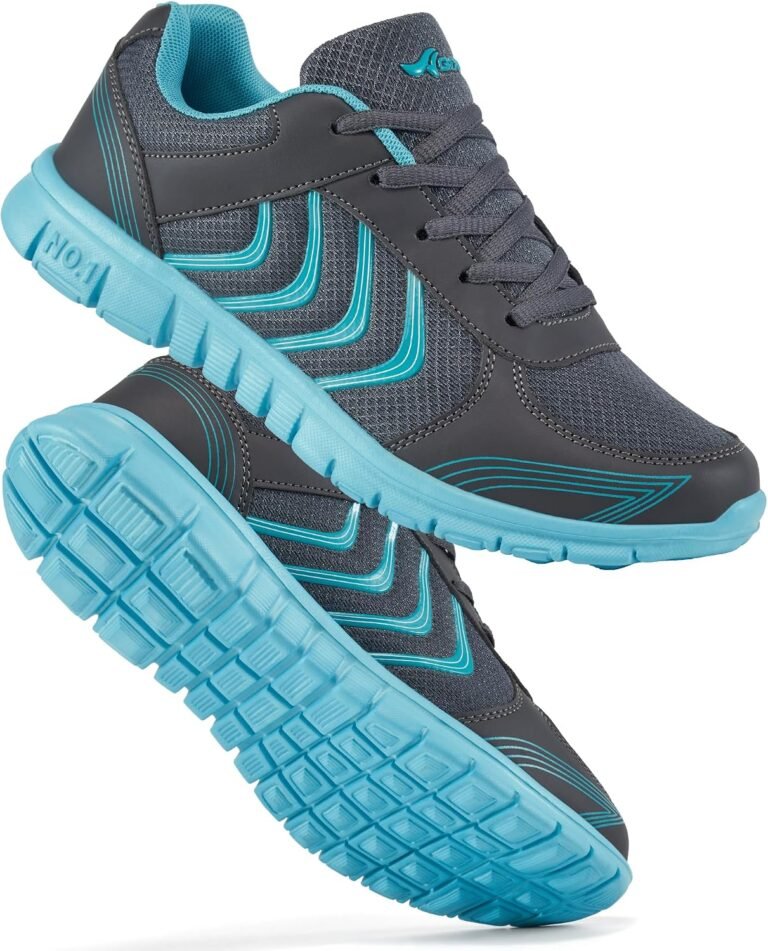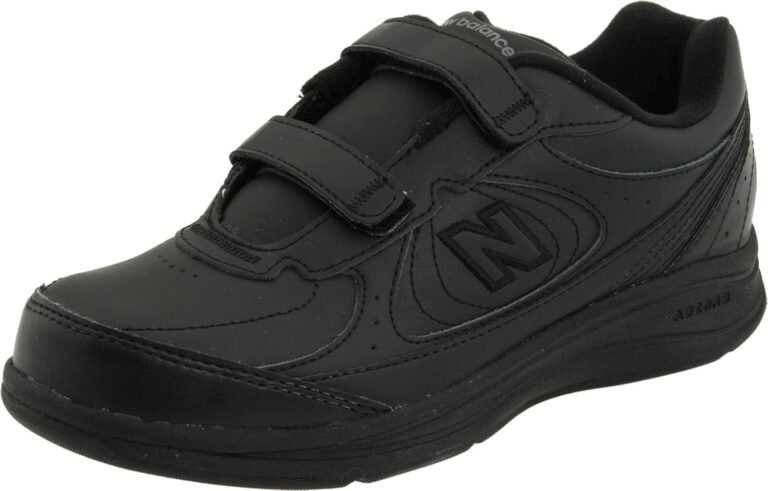
Can Walking Shoes Cause Plantar Fasciitis?
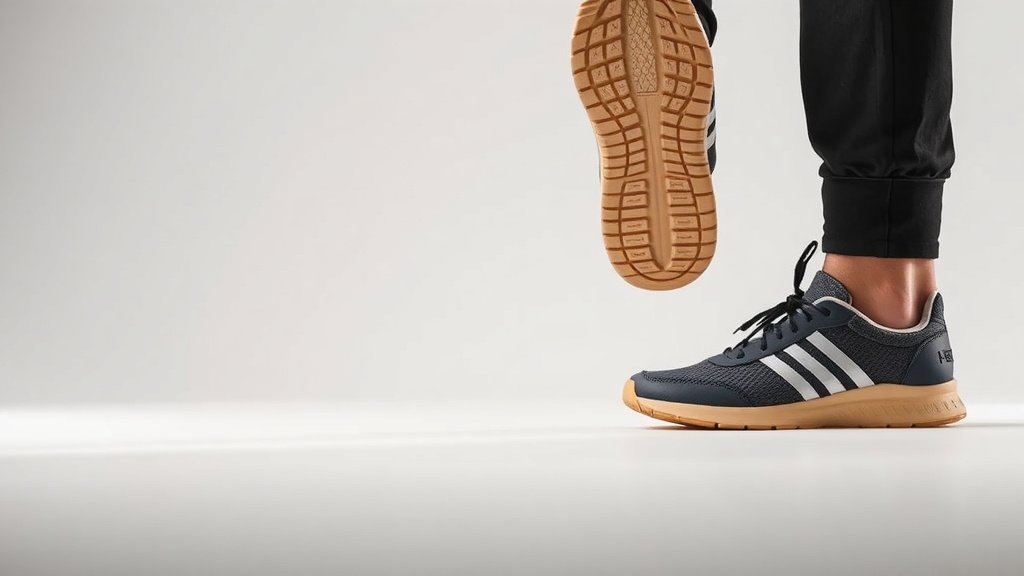
No, walking shoes don’t directly cause plantar fasciitis, but worn-out or ill-fitting shoes can definitely trigger the heel pain. The real culprit is usually a lack of support, not the shoe itself. You need shoes that cradle your arch and absorb shock to keep your feet happy.
Plantar fasciitis happens when the thick band of tissue on the bottom of your foot gets overstretched or strained. We found that your walking shoes play a huge role in how much stress hits that tissue. If your sneakers are old, too flexible, or too flat, they force your foot to work harder than it should. That extra strain can quickly lead to that sharp, stabbing heel pain you feel every morning.
- Worn-out shoes lose their cushioning and can worsen foot pain.
- Flat shoes or those without arch support are common triggers.
- Replacing your walking shoes every 300-500 miles is key.
- Proper footwear helps, but stretching is just as important.
- See a doctor if the pain lasts more than a few weeks.
Below, we break down exactly how your shoes affect your feet, the signs your footwear is failing you, and the simple fixes you can try today to walk pain-free again.
How Your Walking Shoes Could Be Behind That Heel Pain
We know the burning question on your mind is whether your favorite pair of sneakers is betraying you. The short answer is yes, but only in a roundabout way. Your shoes don’t contain a “plantar fasciitis virus.” They just fail to protect your foot when it needs support the most.
Think of your foot like a suspension bridge. The plantar fascia is the main cable. Every step you take pulls on that cable. Good shoes act like shock absorbers. Bad or old shoes act like a stiff board. They transfer all that pounding directly into your arch and heel.
The Real Problem: Lack of Support vs. The Shoe Itself
It feels natural to blame the shoe sitting in your closet right now. But we found that the actual issue is usually what the shoe lacks, not what it does. Flat, flexible shoes that fold in half force your arch to flatten completely.
When that arch collapses, the plantar fascia stretches further than it should. It’s like pulling on a rubber band until it starts to fray. Over time, that repetitive pulling causes micro-tears. Those tears are the source of that sharp morning pain.
Why That “Comfortable” Pair Is Actually Your Enemy
You might be thinking, “But my shoes feel fine!” That’s the tricky part. A shoe can feel soft and cushy in the store but offer zero structural support. Slippers, worn-out sneakers, and minimalist shoes are common triggers. They feel great for an hour, then the strain builds up.
Many experts point out that a shoe needs a firm heel counter and arch support to keep your foot aligned. If you can easily twist the shoe like a wet towel, you’re getting no stability. Your foot muscles must overwork to keep you balanced, leading directly to tissue strain (Cleveland Clinic).
Signs Your Footwear Is Failing You
How do you know if your shoes are past their prime? It’s not always about visible wear on the bottom. Sometimes, the damage happens inside the foam where you can’t see it. Look for these specific red flags before you lace up.
- You can bend the shoe in half with one hand easily.
- The tread on the heel looks worn down or slanted to one side.
- You feel the ground’s texture through the sole when you walk.
- There are deep creases in the midsole foam.
- Your heel sinks to one side when you look from behind.
- The shoes are older than one year of regular use.
The 300 to 500 Mile Rule
Running shoe brands first coined this rule, but it applies to walking shoes, too. After about 400 miles, the midsole foam compresses permanently. It loses its bounce. That compression changes how your foot lands.
We found that most people keep shoes for much longer than that. If you walk 30 minutes daily, you hit 400 miles in about six months. If you don’t remember when you bought them, it’s probably time to shop.
Why Flat Shoes Wreck Your Arch Over Time
Fashionable flats and canvas slip-ons are notorious culprits. They have zero arch support. They also lack a heel cup to hold your foot in place. This lets your foot slide and roll inward, a motion called overpronation.
Overpronation stresses the plantar fascia insertion point at the heel. It pulls the tissue like a lever. The less support you have, the harder your body works to stabilize. This extra strain is often the final straw for people genetically predisposed to foot issues (NCBI).
What Kind of Shoe Actually Helps?
You don’t need to drop $200 on fancy running shoes to fix the problem. You need the right type of structure. The goal is to keep your foot in a neutral position. Look for a shoe that is stiff at the toe and firm under the arch.
A good test is the “twist test.” Grab the toe with one hand and the heel with the other. Try to twist them in opposite directions. If it twists easily, skip it. A supportive shoe should resist twisting. It should feel like a solid platform.
Comparing Shoe Types for Plantar Fasciitis
To make this easier, we put together a quick comparison. Use this as a guide the next time you’re shopping or cleaning out your closet.
| Shoe Type | Arch Support | Heel Cushioning | Risk Level |
|---|---|---|---|
| Old Running Shoes | Poor (compressed foam) | Poor | High |
| Walking Sneakers | Good to Moderate | Good | Low to Medium |
| Flat Ballet Shoes | None | Minimal | Very High |
| Hiking Boots | Excellent | Excellent | Low |
| Minimalist Shoes | None | Minimal | Very High |
Notice a pattern? The shoes with firm structure and high cushioning are your best friends. Anything that mimics going barefoot is likely to aggravate an existing condition or cause one to flare up.
Simple Fixes to Save Your Feet Today
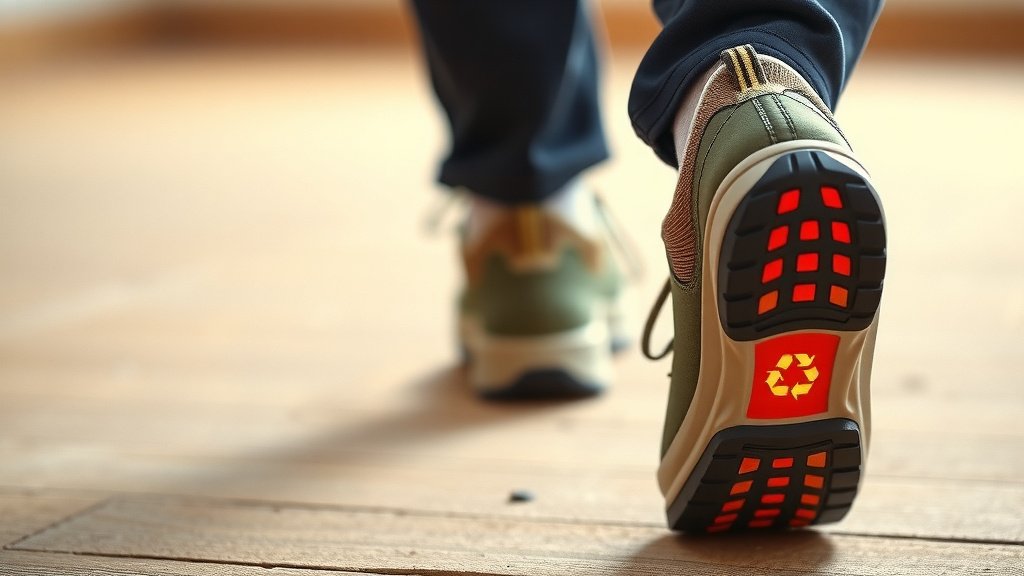
Throwing away your shoes isn’t the only answer. There are quick fixes that can extend the life of your footwear. You can also modify what you have to reduce pain right now. Try these steps before you hit the store.
Try Insoles or Orthotics First
If you love a pair of shoes but they lack support, buy over-the-counter insoles. We found that rigid orthotics work better than fluffy gel ones. Look for a hard plastic shell that supports the arch. These reduce the load on your plantar fascia immediately.
Slip them into your current sneakers to see if the pain settles. This is a cheap test. If the pain eases with insoles, you know support was the issue. You don’t need a custom prescription pair for mild cases (Mayo Clinic).
Stretch Before You Walk
Shoes are only one part of the equation. Tight calf muscles pull on your heel bone. This increases tension on the plantar fascia. If your shoes are perfect but your calves are tight, you’ll still feel pain. Stretching is non-negotiable.
We suggest a simple towel stretch. Sit on the floor with your leg straight. Loop a towel around the ball of your foot and pull your toes toward you. Hold for 30 seconds. Do this before and after walking to loosen the chain of muscles.
Ice the Heel to Reduce Swelling
Cold therapy can calm the inflamed tissue. Roll the bottom of your foot over a frozen water bottle for 10 minutes. This does double duty. It massages the fascia and numbs the pain. It also breaks up scar tissue that might be forming.
Do this in the evening after work. You’ll notice the stiffness reduces overnight. Combine this with your new supportive shoes for the best results.
Your Step-by-Step Recovery Checklist
Getting rid of heel pain requires a consistent approach. You can’t just swap shoes and expect miracles on day one. Your body needs time to heal the micro-tears. Follow this checklist to get back on track.
- Replace any shoe that fails the twist test or has over 400 miles of use.
- Insert firm arch supports into every pair you wear, even around the house.
- Stretch your calf and foot muscles every morning before stepping out of bed.
- Ice the bottom of your foot for 10 minutes after long walking sessions.
- Avoid walking barefoot on hard floors, especially first thing in the morning.
- Monitor your pain level for two weeks and track any changes.
Stick with this routine for at least two weeks. Most people see a noticeable difference in their morning pain. The key is consistency between your shoes, your stretches, and your daily habits.
Conclusion
Your walking shoes aren’t the enemy, but they can be the silent partner in your heel pain. Worn-out foam, flat soles, and zero arch support all force your plantar fascia to work overtime. The fix isn’t complicated. You need shoes that resist twisting, support your arch, and still have some bounce left in them.
Start today by checking your current pair. If they fail the twist test or have seen more than 400 miles, it’s time for a replacement. Add firm insoles, stretch your calves every morning, and ice your heel after long walks. Give this routine two weeks. You’ll feel the difference, and your feet will thank you.
Frequently Asked Questions
Can brand new walking shoes cause plantar fasciitis?
Yes, brand new shoes can trigger pain if they lack proper arch support or have an overly flexible sole. Some new shoes feel soft but offer zero structure. Your foot rolls inward with every step, straining the plantar fascia. Try a firm insole before you give up on the new pair.
How do I know if my walking shoes are too worn out?
Press your thumb into the midsole foam. If it feels hard or doesn’t spring back, the cushioning is dead. Check the heel tread for uneven wear. Look at the shoe from behind and see if the heel collar tilts to one side. Any of these signs means it’s time to shop.
Should I stop walking if my heel hurts?
You don’t need to stop walking completely, but you should reduce your mileage. Switch to a supportive shoe and walk on softer surfaces like grass or a track. If the sharp pain continues after a few minutes of walking, rest for a day or two. Ice your heel afterward to calm the tissue.
Are expensive walking shoes better for plantar fasciitis?
Price doesn’t guarantee support. A $150 shoe with a flimsy sole is worse than a $70 shoe with a firm heel counter. Look for structure, not the brand name. Ask yourself if the shoe resists twisting and has a solid arch. That matters more than the price tag.
Can I fix plantar fasciitis with just better shoes and no stretching?
Probably not. Shoes provide support, but tight calves and weak foot muscles keep the tension on your plantar fascia. You need both. We found that people who stretch and wear supportive shoes recover faster than those who only swap footwear. Do a quick calf stretch every morning before you stand up.