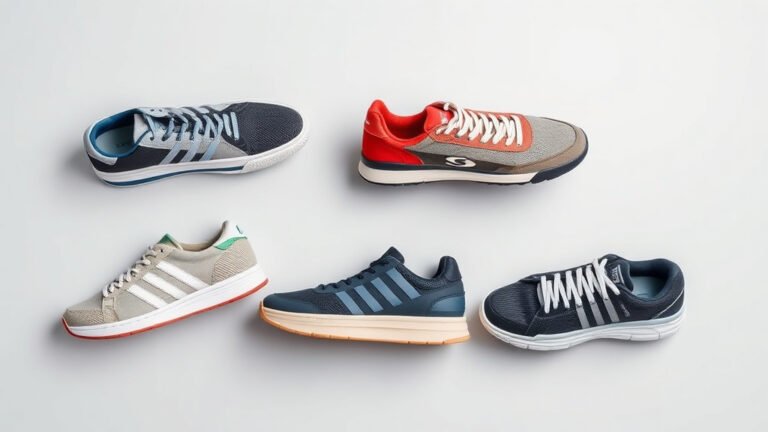
Baby Walking Shoes Benefits: A Parent’s Guide
Yes, baby walking shoes benefit your child by protecting their feet and providing grip, but the best choice for new walkers is often no shoes at all. We found that barefoot is best for balance and foot strength, so shoes are mainly for outdoor protection. The right baby walking shoes are flexible, lightweight, and wide to let little feet move naturally.
Once your baby starts taking steps outdoors, shoes become a necessary shield against rough pavement, hot sidewalks, and sharp objects. Every step they take builds crucial muscles and coordination, so the wrong shoe can actually slow them down. That’s why choosing the correct pair is about more than just cuteness—it’s about keeping those wobbly first steps safe and steady. Flexible soles and breathable materials make all the difference for a confident new walker.
- Barefoot is best indoors—it helps your baby build strong foot muscles and balance.
- Outdoor shoes are for protection, not support—they guard feet from the ground.
- Flexible, flat, and wide shoes are the only kind you should consider.
- Avoid thick, stiff soles and high tops—they can make walking harder.
- Size matters—check their shoe fit every few weeks because feet grow fast.
Below, we break down exactly what makes a good walking shoe, when your baby actually needs them, and how to pick the perfect pair without the guesswork. Let’s walk through it together.
Why Your Little One Needs Walking Shoes Outdoors
We found that bare feet are the best teachers for new walkers indoors. But once those tiny toes touch the great outdoors, it’s a whole different ballgame.
Think about it this way. You wouldn’t send a football player onto the field barefoot, right? The same logic applies to your baby. Outdoor surfaces are unpredictable. Sidewalks get hot, rocks are sharp, and broken glass hides in grass. Shoes act like a shield, keeping those precious feet safe from harm.
This protection lets your baby focus on the real job: building confidence with every step.
Protecting Feet From the Elements
Imagine walking across sun-baked concrete in July. Ouch, right? Your baby’s skin is even more sensitive than yours. A simple stroll to the mailbox can become a painful lesson.
Those first shoes also guard against tiny pebbles and twigs that can cause scrapes. They offer a barrier between your child’s soft skin and the rough world. This keeps little steps happy and pain-free so your baby wants to keep practicing.
The Grip That Boosts Confidence
New walkers are wobbly. Really wobbly. Their balance is still a work in progress. Slippery floors or smooth tiles make it even harder. A good pair of shoes with a grippy sole gives them the traction they need to feel stable.
That added grip sends a signal to their brain. It says, “Hey, you’re solid on this ground.” This confidence is a game-changer for a toddler testing out their new walking skills.
The Real Benefits of Proper Walking Shoes
Okay, so we know shoes protect the feet. But what makes a walking shoe beneficial versus just a cute accessory? It comes down to supporting natural development. The goal is to let feet move freely, safely. We found that the right shoe works with the foot, not against it.
Allowing Natural Foot Muscle Development
Baby feet are mostly cartilage and fat. They are not fully formed bones yet. This makes them incredibly flexible and moldable. Shoes that are too stiff or thick will block natural movement. It’s like trying to do yoga in ski boots.
Research and expert recommendations show that flexible soles encourage muscle growth and strength (American Academy of Pediatrics). The foot pushes, bends, and flexes inside the shoe just like a bare foot would. That natural motion builds strong arches and sturdy ankles over time.
Keeping Feet Healthy and Dry
We all know how sweaty baby feet can get. Plastic or stiff shoes trap moisture which can lead to blisters and skin issues. Breathable materials like cotton or soft leather allow air to flow. They wick away sweat, keeping feet dry and comfortable.
This feels nicer for your baby. And comfortable feet are happy feet that want to move. Nobody wants to practice walking when their feet are itchy or sore.
Quick Tips for Choosing Baby Walking Shoes
Choosing the right pair feels tricky, but it doesn’t have to be. We found that the best test is the flexibility test. You should be able to bend the shoe easily with one hand. If it fights you, skip it. The shoe should move with your baby’s foot, not force the foot to move with the shoe.
Materials That Make Sense
Look for breathable options like mesh or soft leather. Shoes with wide toe boxes are essential. They let toes spread out naturally to grip the ground. Tiny toes need room to wiggle and breathe, just like fingers in a baseball glove.
Inside the shoe, remember to check for smooth seams. Rough seams can rub against the ankle and cause blisters. A simple touch test with your finger will tell you all you need to know.
When to Say No to Shoes
Here’s a little secret we found: young babies don’t need shoes at all. If your baby is not walking or standing yet, shoes are just for fashion. They don’t help with development at this stage. Keep them barefoot or in socks while they are crawling and pulling up.
Once they are taking those first independent steps, it’s time to start thinking about protection for outdoors. Older toddlers who are skilled walkers need more durable soles, but should still be flexible.
Can Wrong Shoes Slow Down a New Walker?
Absolutely, they can. Thick, stiff soles raise the foot up too high. This disrupts their balance and makes them more prone to tripping. It’s like walking on wooden boards strapped to your feet.
High-top shoes are another common mistake. Many parents think they support the ankle. But research shows that toddlers actually rely on visual cues from their feet to balance. If a high top blocks the view of their feet, they can actually feel less stable and confused.
Here is a quick breakdown of what we found to be good versus what to avoid:
| Feature | Great for Walkers | Bad for Walkers |
|---|---|---|
| Sole Firmness | Flexible and bendy | Thick and stiff |
| Shoe Height | Low top or very low cut | High tops covering the ankle |
| Material | Breathable mesh or soft leather | Plastic or hard synthetic materials |
| Toe Area | Wide and roomy to spread toes | Narrow and pointy |

Getting the Right Shoe Fit for Growing Feet
Baby feet grow at lightning speed. It feels like you are buying new socks every week. We found that you should check the fit every four to six weeks. Their feet can jump a half size in that time without you noticing.
The Quarter Inch Rule
Here is a simple trick we use. When your baby is standing, you should be able to fit a thumbnail’s width between the longest toe and the end of the shoe. That is about a quarter of an inch. This leaves just enough room for the foot to move and grow. Too much room causes slips and falls, and too little causes blisters.
Also, be sure to check for width, not just length. A shoe that is too narrow will hurt even if the length is perfect. Look for redness or marks on their skin after taking shoes off. That’s a solid hint the shoe is too tight.
Spotting the Signs Your Baby IS Ready for Shoes
Are they cruising furniture? Are they taking a few steps while holding your hands? These are signs they are almost ready. But remember, indoor walking in socks or bare feet is still number one for muscle strength.
The real “go” signal for shoes is when they start walking outside. For backyard and garden time, shoes are needed to prevent scrapes. For calm indoor play, let those toes roam free. Balance is your best buddy here.
Your Quick Shoe Shopping Checklist
Keep this list in your pocket when you head to the store. We found these five points cover all the basics:
- Check the bend: Does the shoe bend easily at the toe area?
- Feel the inside: Are there any rough tags or seams that could irritate?
- Press the toe box: Can you pinch the material? It should be soft and wide.
- Squeeze the heel: It should be firm to keep the shoe on but not rigid.
- Offer a barefoot feel: Does it feel close to having no shoe at all?
Prioritizing Barefoot Time at Home
Even with the perfect shoes, barefoot time is still the gold standard for building foot strength. Encourage your child to crawl, stand, and walk barefoot whenever you are at home. This is essential for tactile development, which means it helps their brain map out the surfaces they walk on. This natural sensory input strengthens foot muscles in a way shoes simply cannot.
Balancing Barefoot and Shoe Wear
Life isn’t just one or the other, right? It’s all about the mix. Use shoes for protection when you’re out and about. Take them off as soon as you get home to let their feet breathe. Push the mindset that shoes are a helpful tool for the outdoors and protection, not a permanent brace for their feet. Letting their feet feel every texture helps overall mobility and balance.
Research supports this approach, noting that walking barefoot can lead to a wider step and better balance in early walkers (NIH). So, be flexible with your shoe choices and your baby’s feet will thank you.
Conclusion
Choosing the right walking shoes for your baby comes down to one simple rule: let their feet move as naturally as possible. Shoes are protection for outdoors, not training wheels for walking. The best pair is flexible, breathable, and wide enough for toes to spread.
You now know to check the fit every few weeks and prioritize barefoot time at home. Your baby’s feet will grow stronger with every step they take, whether barefoot on the carpet or shod for a trip to the park.
So grab your checklist, head to the store, and find a pair that passes the bend test. Your little walker is ready to explore, and now you know exactly how to keep those first steps safe and steady.
Frequently Asked Questions
At what age should my baby start wearing walking shoes?
Most babies start walking between 9 and 18 months. Hold off on shoes until they are taking independent steps outdoors. If your baby is still crawling or just pulling up, barefoot or socks are best for development.
How many pairs of walking shoes does my baby need?
We found that one well-fitting pair is usually enough. Babies outgrow shoes so fast that rotating multiple pairs gets wasteful. Just make sure to check the fit every few weeks and replace them as soon as they feel snug.
Should baby walking shoes have arch support?
No, babies do not need arch support. Their arches are still developing and don’t fully form until around age 5 or 6. A flat, flexible sole lets their foot muscles build naturally, which is exactly what they need.
Can my baby wear hand-me-down walking shoes?
We recommend skipping hand-me-down shoes when possible. Shoes mold to the previous wearer’s foot shape and wear patterns. That can affect your baby’s gait and comfort. If you do use them, inspect the soles for uneven wear and check flexibility carefully.
What if my baby refuses to keep their shoes on?
This is super common, so you’re not alone. Try letting them wear the shoes around the house for short periods before heading outside. Make it fun and positive. If they still hate them, check for fit issues like tightness or rough seams that might be bothering their feet.