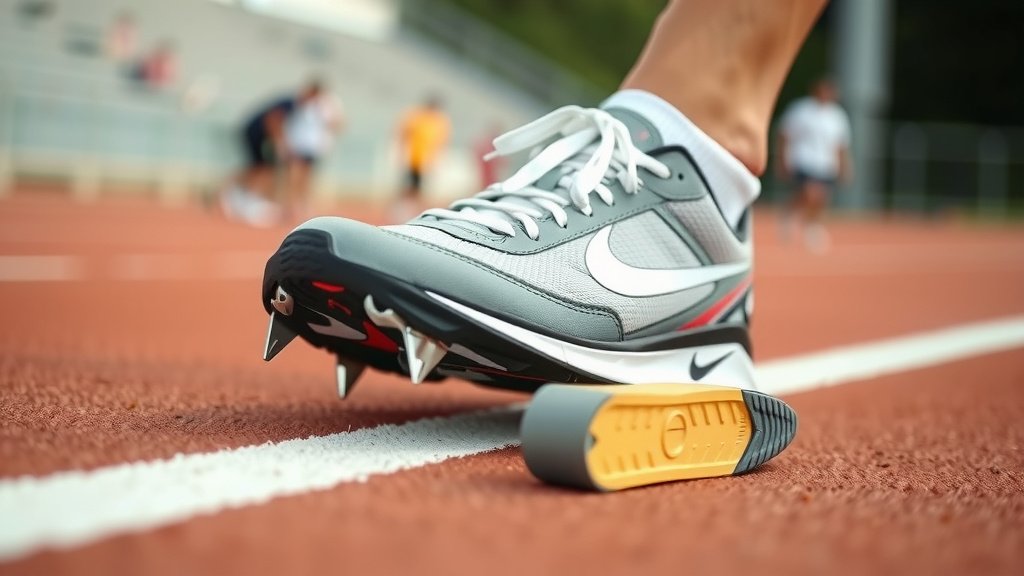
What Are Track Spikes For Running Performance
A track spike is a type of running shoe designed with sharp metal pins on the outsole. These pins, called spikes, dig into the track surface. They provide enhanced A track spike is a specialized running shoe designed to provide maximum grip and responsiveness on athletic tracks. Our guide explains what track spikes are for.traction and grip. This helps runners achieve better speed and stability during races. They are essential for competitive track athletes.
Track spikes are lightweight shoes. They feature a stiff sole plate. This plate holds the spikes securely. Different track events require different spike configurations. For instance, sprinters need spikes that offer aggressive grip. Middle and long-distance runners might prefer lighter spikes with less aggressive pinning. They are built for performance on synthetic or cinder tracks.
- Track spikes are specialized running shoes.
- They have metal pins for better track grip.
- Spikes help runners gain speed and stability.
- Different track events use different spike designs.
- They are typically lightweight and have a stiff sole.
Ready to learn more about these speed-enhancing shoes? Below, we’ll break down exactly what makes a track spike unique and how they work.
Understanding the Mechanics of Track Spikes
So, what exactly makes a track spike different from your everyday running shoe? It all comes down to a few key design elements. These shoes are built for one purpose: maximum performance on the track. They help you dig in and propel forward like never before.
The Sole Difference: Grip and Propulsion
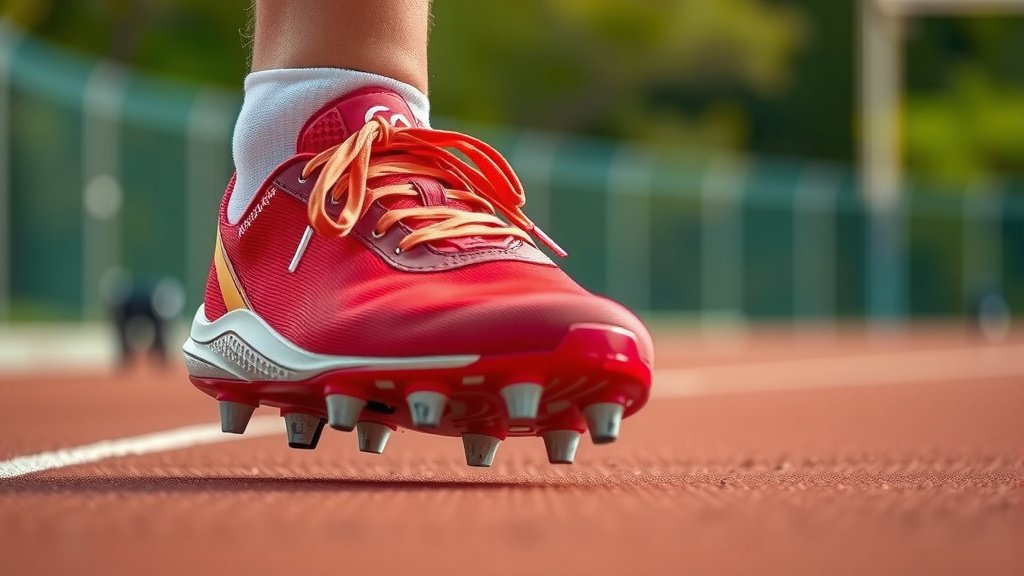
The most obvious feature is, of course, the spikes themselves. These are small, sharp pins, usually made of metal. They screw into specific holes in the shoe’s sole. Think of them as tiny cleats for the track. They are designed to sink slightly into the track surface. This provides unmatched traction. It prevents slippage, especially during quick starts and sharp turns.
You might be wondering, “Do they hurt my feet?” It’s a common concern! While they do feel different, they are strategically placed and designed to work with the shoe’s structure. The goal is to enhance your natural stride. The sole plate is usually quite stiff. This plate is what the spikes are attached to. It provides a firm base. This rigidity helps transfer energy efficiently from your foot to the track.
The Role of the Spike Plate
The spike plate is a rigid structure. It’s typically made of hard plastic or carbon fiber. It forms the bottom of the shoe. This plate holds the spike receptacles. Its stiffness is key. It doesn’t bend much when you run. This means more of your pushing power goes directly into the track. It’s less about cushioning and more about direct power transfer. You get that feeling of being connected to the ground.
Lightweight Construction for Speed
Track spikes are incredibly lightweight. This is by design. Every extra ounce can slow a runner down. Manufacturers achieve this by using minimal materials. The upper part of the shoe, the part that covers your foot, is often made of thin mesh or synthetic fabrics. This keeps them breathable and light. You’ll notice there’s not much padding inside. That’s because excessive padding adds weight and can reduce responsiveness.
When you’re running a race, every fraction of a second counts. Lightweight shoes help you feel faster. They allow your legs to move more freely. This can make a noticeable difference in your overall speed. It’s like the shoe is barely there, working with you, not against you.
Materials and Design Features
Beyond the spikes and the plate, other design elements contribute to performance. The upper materials are usually durable but flexible. They need to hold your foot securely without being restrictive. Some shoes have a sock-like fit. Others use traditional lacing systems. The choice often depends on personal preference and the specific event.
We found that breathability is also a major factor. Your feet can get hot during intense races. Good ventilation helps keep your feet cool and comfortable. This can prevent blisters and improve focus. Many spikes feature strategically placed perforations or mesh panels. This ensures optimal airflow throughout your run.
Choosing the Right Track Spikes for Your Event
Not all track spikes are created equal. The best spike for a sprinter is very different from the best spike for a marathoner. Event specialization is a huge part of track and field footwear. You wouldn’t use a sledgehammer to drive a finishing nail, right?
Sprint Spikes: Aggression and Power
Sprinters, think 100m, 200m, and 400m races. They need maximum power off the blocks and during the race. Sprint spikes are designed for aggressive acceleration. They often have a very stiff sole plate. Some sprint models have a longer plate that extends further back. This provides a more stable platform for powerful strides. The spike configuration might be denser at the front. This offers enhanced grip for explosive starts.
Many sprint shoes have a higher heel. This is to put the runner in a more forward-leaning, aggressive posture. It helps them get up to speed quickly. You’ll often see fewer spikes on a sprint shoe. This is because they need fewer points of contact for maximum force. The pins themselves might be sharper and more durable.
Middle-Distance Spikes: Balance and Versatility
For middle-distance runners (800m to mile), balance is key. These athletes need a shoe that offers good traction but also some cushioning. Middle-distance spikes are often a bit more flexible than sprint spikes. They strike a balance between lightweight responsiveness and comfort for longer efforts. The spike plate might be slightly shorter.
The spike layout is often designed for good grip throughout the stride. You might find a mix of longer and shorter spikes. This provides stability during turns. They’re built to handle the varied demands of races that are longer than a sprint but shorter than a true distance event. They offer a versatile performance.
Long-Distance Spikes: Comfort and Lightweight Feel
Long-distance runners (5K, 10K, and steeplechase) prioritize comfort and reduced weight. These races require endurance. Spikes for these events are typically the most flexible. They aim to feel like a natural extension of your foot. Cushioning, while minimal, is more important here than in sprint shoes.
The spike plate is usually shorter and more flexible. This allows for a more natural foot strike over many miles. The spike pattern is often less aggressive. The pins might be smaller. This helps reduce weight and prevents the shoe from feeling too harsh on longer runs. They are about efficient energy return without added bulk.
Choosing Your Spike Configuration
When you look at track spikes, you’ll notice different arrangements of holes for spikes. This is called the spike configuration. Some shoes have many holes. Others have fewer. The number and placement depend on the event and the shoe’s design.
It’s helpful to think about where you need the most grip. For sprinters, it’s usually the forefoot. For distance runners, it might be more distributed. Some shoes come with a selection of different spike lengths. This allows you to customize your grip based on track conditions. Always check the event rules for maximum spike length and prohibited types. This is important for fair play and safety.
Here’s a quick checklist to help you think about your spike needs:- What is your primary track event?
- Do you need maximum grip or more flexibility?
- How important is lightweight construction to you?
- What kind of track surface will you be running on most?
- What is your personal comfort preference?
- Does the shoe fit securely without being too tight?
The Impact of Track Spikes on Performance
So, how do these specialized shoes actually help you run faster? It’s a combination of factors. The grip is perhaps the most significant. When you run, you push off the ground. If your shoes can’t grip well, some of that energy is lost. You end up spinning your wheels, so to speak.
With track spikes, the pins dig in. This creates a solid connection. This means more of your effort goes into forward motion. This improved efficiency translates to faster times. It’s like having better tires on a race car. You can accelerate more quickly and maintain speed more effectively.
Furthermore, the stiff sole plate plays a role. It helps maintain the shape of your foot during the push-off phase. This stiffening effect can help you generate more power. It’s a bit like running with a board under your foot, but in a good way! This rigidity helps you leverage your muscles to their fullest potential.
Many experts in biomechanics agree that proper footwear can influence running economy (NCBI). While track spikes are extreme examples, they showcase how shoe design can impact performance. They are a tool. They are designed to enhance the athlete’s natural abilities. They work best when paired with proper training and technique.
Conclusion
You’ve learned that track spikes are specialized shoes designed for peak track performance. Their key features—sharp metal pins for grip, a stiff sole plate for power transfer, and lightweight construction—all work together to enhance your speed and stability. Remember, the right spike depends on your specific event. Choosing wisely can make a real difference in your races. Now that you understand the mechanics and variety of track spikes, you’re ready to find the pair that best suits your needs. Lace up and get ready to feel the difference!
Frequently Asked Questions
Are track spikes comfortable to wear?
Track spikes are designed for performance, not everyday comfort. They feel different from regular running shoes because of their stiff soles and sharp pins. You’ll notice less cushioning. Athletes usually find them comfortable for racing and short, intense workouts. For longer runs, they are generally not recommended.
Can I use track spikes for training?
You can use track spikes for some types of training, like speed work or drills on the track. However, continuous use for all your training can be hard on your feet and legs. They lack the cushioning and support for high mileage. It’s best to save them for race day or specific track sessions.
How do I put spikes into my track shoes?
Most track spikes come with a small tool, often called a spike wrench. You use this tool to screw the metal pins into the designated holes on the shoe’s sole plate. Make sure the spikes are snug but don’t overtighten them. Always check the manufacturer’s instructions for your specific shoe model.
Are track spikes allowed in all running events?
Track spikes are generally allowed in track and field events held on certified tracks, like sprints, middle-distance, and long-distance races. They are typically not allowed for road races, cross country, or trail running. Always check the specific rules for your event or competition.
How long do track spikes typically last?
The lifespan of track spikes varies based on usage and materials. For competitive athletes, spikes might last one or two seasons. The outsole can wear down, and the spike plate might lose its stiffness. The pins themselves can also become dull or bent. Proper care, like cleaning and storing them correctly, can help extend their life.