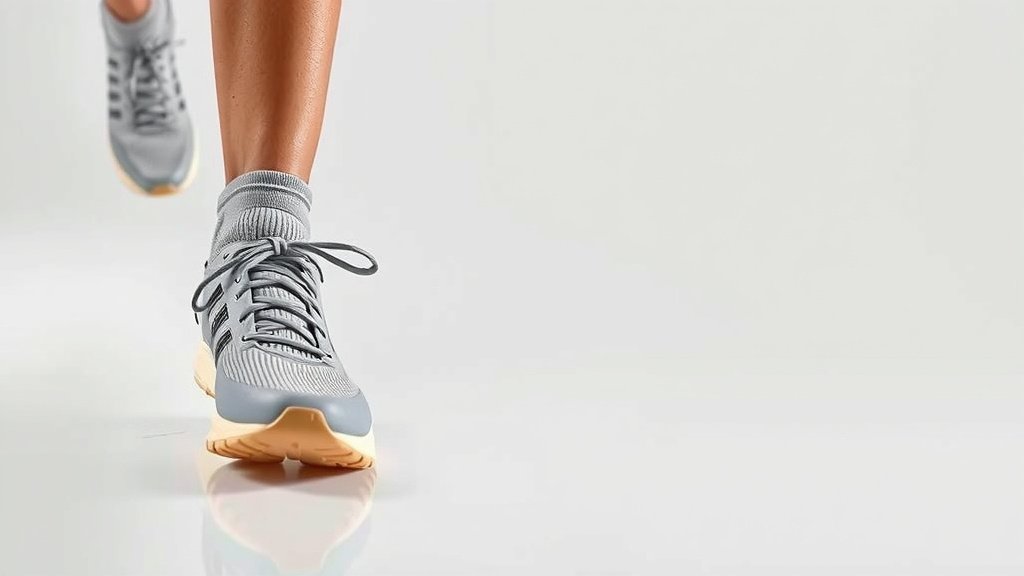
Firm vs Soft Midsole: Which Is Right for Your Run
Choosing between a firm and soft midsole depends on your personal preference and intended use. Generally, a firm midsole offers more stability and a responsive ride, while a soft midsole prioritizes cushioning and comfort.
When comparing running shoe midsoles, firmness impacts how the shoe feels underfoot and its performance characteristics. Research shows that midsole foam composition is a key factor in determining both durability and shock absorption.
- Firm midsoles boost stability and responsiveness.
- Soft midsoles enhance cushioning and comfort.
- Foam type greatly influences a midsole’s feel.
- Consider your activity and foot strike for the best choice.
Let’s walk through exactly what makes each type of midsole unique and how to pick the best one for your needs.
Understanding Midsole Firmness: What’s the Big Deal?
When you’re looking at running shoes, the midsole is the part that really makes a difference in how they feel. It’s the layer between the outsole (the bottom grippy part) and the upper (where your foot sits). Think of it as the shoe’s shock absorber and its engine, all rolled into one. The firmness of this layer has a huge impact on your run.
Why does firmness matter so much? Research and shoe technology have shown that midsole foam composition is a key factor in determining both durability and shock absorption. So, understanding the difference between firm and soft can help you make a much better shoe choice.
The Case for a Firmer Midsole
A firmer midsole offers a more responsive and stable ride. It feels less squishy and more solid under your foot. Many runners prefer this because it feels like the shoe is working with them, not against them. You get a direct feel for the ground, which can be great for speed.
Benefits of Firmness
When a midsole is firm, you typically get a lot of stability. This means the shoe is less likely to wobble or let your foot roll inward excessively. This is often good for runners who pronate (their foot rolls inward too much) or those who want a more predictable feel with every step. Think of it like running on a firm yoga mat versus a soft, plush rug. The mat gives you a steady base.
Who Benefits Most?
Runners who weigh more might find a firmer shoe provides better support and doesn’t “bottom out” as quickly. Also, sprinters and track athletes often go for firmer shoes because they want maximum energy return. They want every ounce of effort to propel them forward, not get absorbed by soft foam. Many experts say that a firmer feel can help reduce the risk of certain injuries by keeping the foot in a more neutral position (NCBI).
The Allure of a Softer Midsole
On the flip side, soft midsoles are all about comfort and cushioning. If you want to feel like you’re running on clouds, a soft midsole is likely your best friend. They are designed to absorb more impact, which can feel amazing, especially on longer runs or if you’re recovering from an injury. We found that this type of cushioning can significantly reduce the stress on your joints.
What Makes it Soft?
The softness usually comes from the type of foam used and how it’s engineered. Softer foams compress more easily. This allows them to soak up more of the shock from your foot strike. It’s a bit like landing on a pillow. This plush feeling is fantastic for reducing fatigue over many miles.
Who Needs That Plush Ride?
Runners looking for maximum comfort will love soft midsoles. If you have joint issues or simply want to protect your body from the repetitive pounding of running, soft is the way to go. Many ultramarathoners and marathoners choose soft shoes for their ability to keep their legs feeling fresh for hours. We also found that beginners often gravitate towards softer shoes because they feel more forgiving and comfortable from the start.
Comparing Midsole Characteristics
Let’s break down the key differences side-by-side. It’s not always black and white, as many shoes fall somewhere in the middle, but understanding these extremes helps you know what to look for.
| Feature | Firm Midsole | Soft Midsole |
|---|---|---|
| Feel Underfoot | Responsive, direct, stable | Plush, cushioned, soft |
| Shock Absorption | Moderate | High |
| Energy Return | High | Moderate to Low |
| Stability | High | Moderate to Low |
| Best For | Speed, racing, stability needs, lighter runners | Comfort, long distances, joint protection, heavier runners |
Foam Technology and Feel
The actual material inside the midsole is a huge factor. Brands use different types of foam, and each has its own characteristics. Some foams are naturally firmer, while others are designed to be extra soft and bouncy. Many experts point out that newer foam technologies are offering a great balance of both firmness and softness, which is exciting for runners (Runner’s World).
For example, EVA (ethylene vinyl acetate) is a common foam that can be made firmer or softer depending on how it’s processed. Brands like Nike use their “ZoomX” foam for a soft, bouncy feel, while others might use a denser EVA for more stability. It’s like baking a cake; you can adjust the ingredients to get a different texture.
Impact on Your Running Style
Your foot strike also plays a role. If you’re a heel striker, you might want more cushioning from a soft midsole to absorb that initial impact. If you’re a midfoot or forefoot striker, you might appreciate the responsiveness of a firmer midsole that allows for a quicker toe-off. Your foot strike also plays a role in choosing the right shoe; our guide explains how.
Many studies have looked into how different midsole types affect running biomechanics. They found that shoe choice can influence landing forces and overall efficiency. So, the shoe you pick isn’t just about comfort; it’s about how your body moves when you run.
Personal Preference is Key
Ultimately, the best firmness for you is a personal choice. What feels great to one runner might feel terrible to another. It’s worth trying on different shoes to see what sensation you prefer underfoot. Don’t be afraid to walk around the store or even do a short jog if they allow it. Your feet will tell you what they like best.
Making Your Choice: A Quick Checklist
To help you decide, consider these points:
- Your Primary Goal: Are you seeking speed and responsiveness, or maximum comfort and joint protection?
- Your Running Surface: Softer shoes can be forgiving on hard surfaces like pavement.
- Your Body Weight: Heavier runners often benefit from firmer, more supportive midsoles.
- Injury History: If you’ve had issues, soft cushioning might be beneficial. If you’ve had issues, soft cushioning might be beneficial for recovery runs.
- Foot Strike: Consider how your foot lands when you run.
- Personal Feel: What feels good to YOU is most important!
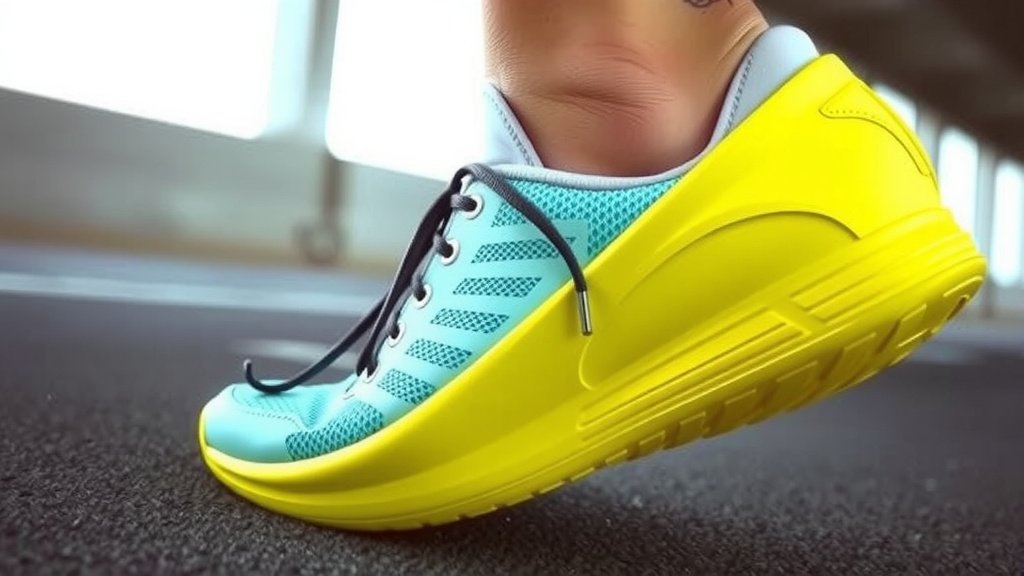
Conclusion
Choosing between a firm and soft midsole truly comes down to what feels best for your unique running experience. A firmer midsole offers great stability and responsiveness for faster paces, while a softer one excels at cushioning and comfort for longer, easier efforts. We’ve seen that foam technology plays a big role, but remember your body weight, foot strike, and any past injuries are just as important.
Don’t guess; try them out! Your feet know best. Visit your local running store and take a few steps in different shoes. This hands-on approach is your most reliable guide to finding the perfect midsole feel for your runs.
Frequently Asked Questions
Can I use a soft shoe for speedwork?
You certainly can, though it might not feel as responsive. A soft midsole prioritizes shock absorption over energy return. If you need maximum comfort on hard efforts, a softer shoe can work, but many runners find firmer shoes offer a more propulsive feel for speedwork.
Will a firm midsole hurt my joints?
Generally, no, but it depends on your biomechanics and preferences. While soft midsoles are known for absorbing impact, research suggests firm midsoles can also protect joints by providing better stability and a more neutral foot position. If a firm shoe feels jarring to you, it’s probably not the right fit.
How does my body weight affect midsole choice?
Heavier runners often benefit from firmer midsoles. This is because denser foam compresses less under higher impact, preventing the shoe from “bottoming out” and offering better support and durability. Lighter runners might find softer shoes provide adequate cushioning without feeling mushy.
Can I tell the firmness just by looking at the shoe?
It’s difficult to judge midsole firmness solely by appearance. The thickness of the midsole might give a hint about cushioning, but the actual foam compound and construction are the real determinants. Your best bet is to feel the shoe yourself or read detailed reviews about its ride characteristics.
What if I can’t decide between firm and soft?
Many shoes offer a middle ground, providing a balanced feel of both cushioning and responsiveness. Consider what your primary running goal is: speed or comfort. If you run a variety of distances and paces, you might even benefit from having two different pairs of shoes. Listening to your body during a test run is key.