Why Comfort Reigns Supreme in Running Shoes
Your running shoes need to be comfortable because comfort directly impacts your performance and prevents injuries. When shoes feel good, your feet can move naturally, allowing you to run longer and stronger without pain. It’s less about flashy features and more about how your feet feel mile after mile. The right comfort keeps you motivated.
We found that comfort is the most overlooked factor by many runners. People often focus on speed or cushioning, but if the shoe doesn’t feel right, it doesn’t matter. Poor comfort can lead to blisters, aches, and even serious foot issues. Your running experience starts from the ground up with your footwear.
- Comfort is key for better running performance.
- It helps prevent painful blisters and injuries.
- Good shoes let your feet move naturally.
- Comfort keeps you motivated for longer runs.
- It’s the foundation for an enjoyable running experience.
Let’s break down exactly why prioritizing comfort in your running shoes is so important for your runs.
Why Your Running Shoes Need to Feel Great
It might seem obvious, but comfort is truly the king of running shoe selection. We’ve found that focusing solely on speed features or fancy cushioning can lead you astray. When your feet are happy, your mind is free to focus on your stride, your pace, and enjoying the run itself. It’s about feeling good from the first mile to the last.
The Immediate Impact on Your Run
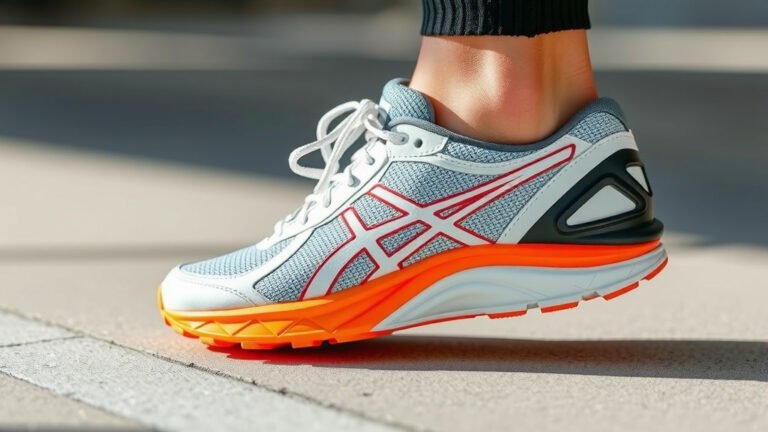
Think of your running shoes as an extension of your body. If something feels off, your body will compensate. This compensation can lead to immediate discomfort or even pain during your run. A shoe that feels snug in the wrong places or rubs your heel can quickly turn a pleasant jog into a painful ordeal. You want shoes that feel like they disappear, letting you focus on the rhythm of your movement.
Preventing Those Annoying (and Painful) Blisters
Have you ever battled blisters after a run? They are the bane of many runners’ existence. Often, blisters form because of friction. If your shoe isn’t fitting correctly or is rubbing in a specific spot, that friction builds up. We found that a well-fitting, comfortable shoe minimizes unnecessary movement inside the shoe, drastically reducing the chances of developing those painful spots. It’s simple physics: less rubbing means fewer blisters.
The Link Between Comfort and Injury Prevention
This is where comfort truly shines. When your feet are comfortable, they move more naturally. Your gait (your running style) is less likely to be altered by an uncomfortable shoe. Experts at the American Academy of Podiatric Sports Medicine suggest that improper footwear can contribute to a range of issues, from plantar fasciitis to shin splints. A shoe that allows your foot to function as it should, without awkward adjustments, is a shoe that helps protect you. Your feet are complex structures, and they need support that feels natural, not restrictive.
How Comfort Boosts Your Endurance and Stamina
Do you ever feel like you have to cut your run short because your feet just can’t take it anymore? That’s your comfort level talking. When your shoes feel great, you’re more likely to push through those mental barriers. You won’t be thinking about aching arches or pinching toes. Instead, you can focus on your breathing and your pace. We found that runners who prioritize comfort often report being able to run longer distances or maintain their pace for extended periods. It’s a psychological as much as a physical benefit. A happy foot is a powerful foot!
The Psychological Benefits of Happy Feet
Beyond the physical aspects, there’s a huge mental game at play. Feeling good in your running shoes fosters a positive association with running. If every run starts with foot discomfort, you’re less likely to look forward to your next one. Conversely, when you slip on a pair of shoes that feel like they were made just for you, there’s a sense of readiness and excitement. This positive reinforcement can be incredibly motivating. You’re not just running; you’re enjoying the experience, and that makes all the difference.
What Makes a Running Shoe Comfortable?
So, what exactly are we looking for when we talk about comfort? It’s not just about plush cushioning. It’s a combination of factors that work together to make your foot feel supported and happy.
The Perfect Fit: Not Too Tight, Not Too Loose
This is perhaps the most critical element. Your shoe should have enough room in the toe box for your toes to splay naturally. Your heel should feel secure, without slipping up and down. We found that many runners mistakenly buy shoes that are too small, fearing slippage. However, a good shoe should hold your foot without being constrictive. Think of it like a handshake – firm and secure, but not crushing.
Considerations for Different Foot Types
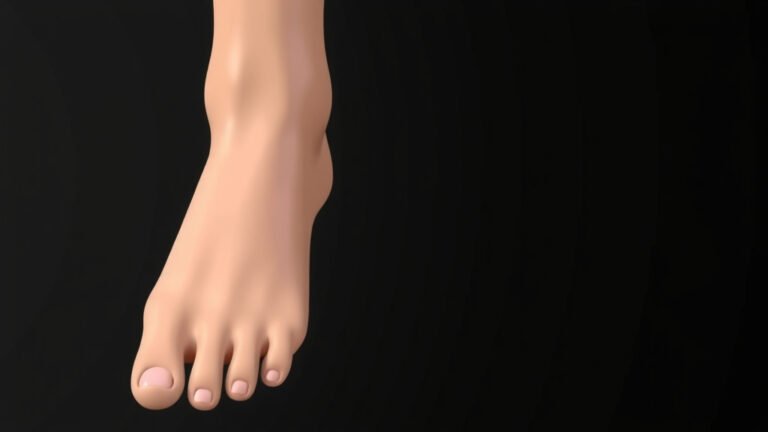
Everyone’s feet are unique. Some people have high arches, others have flat feet. Your foot type plays a big role in what feels comfortable. For example, someone with flat feet might need a shoe with excellent arch support to prevent overpronation, while someone with a high arch might need more cushioning to absorb shock. We found that understanding your foot’s natural mechanics is key to finding that perfect comfortable fit. Many specialty running stores offer gait analysis to help you understand this.
The Role of Cushioning vs. Responsiveness
There’s a common misconception that more cushioning always equals more comfort. While cushioning is important for shock absorption, too much can make a shoe feel mushy and unresponsive. You want a balance. The cushioning should feel protective without making you feel disconnected from the ground. A responsive shoe gives you a little energy back with each step, making your stride feel more efficient. The right level of cushioning and responsiveness varies from person to person and depends on the type of running you do.
Materials and Breathability: Keeping Your Feet Happy
The materials used in a running shoe greatly affect comfort. Breathable uppers help keep your feet cool and dry, reducing the risk of blisters and discomfort, especially on longer runs or in warmer weather. If your feet get too hot and sweaty, they can swell and become more prone to friction. We found that lightweight, flexible, and breathable materials contribute significantly to the overall feel of a shoe. Think of it like wearing breathable clothing on a hot day – it just feels better!
Your Personal Preferences Matter!
Ultimately, comfort is subjective. What feels amazing to one runner might not work for another. Your own body is the best judge. Pay attention to how your feet feel during and after your runs. A shoe that feels great on a test run around the store might reveal its flaws after a few miles. Trust your instincts and prioritize how the shoe feels on your feet, mile after mile.
A Quick Comfort Checklist:
- Does the shoe feel too tight anywhere?
- Is there enough room for your toes to move?
- Does your heel slip when you walk or jog?
- Do you feel any pinching or rubbing?
- Does the cushioning feel appropriate for you?
- Do your feet feel overly hot or sweaty?
Conclusion
Prioritizing comfort in your running shoes isn’t a luxury; it’s a necessity for a better running experience. We’ve seen how good-feeling shoes improve your performance, reduce aches, and keep blisters at bay. They allow your feet to move naturally, which is key for injury prevention and endurance. When your feet are happy, your mind is free to focus on enjoying the run itself. Trust your feet and find the shoes that make you want to lace up again and again.
Your next step is to visit a specialty running store for a gait analysis. This will help you understand your unique foot mechanics and find the most comfortable shoes for your needs.
Frequently Asked Questions
Is comfort more important than a shoe’s technology?
Yes, comfort generally takes precedence over advanced technology. While technology can enhance performance, if the shoe doesn’t feel good on your feet, it can lead to discomfort, poor form, and even injuries. We found that a comfortable shoe allows for natural movement, which is the foundation of good running.
How do I know if my running shoes are comfortable enough?
You’ll know your shoes are comfortable if you can run without thinking about your feet. Pay attention for any pinching, rubbing, or excessive pressure points. They should feel secure but not constrictive, allowing your toes to splay naturally. We found that if you’re constantly adjusting your shoes or experiencing foot pain, they aren’t comfortable enough for you.
Can a comfortable shoe still cause blisters?
While comfort significantly reduces blister risk, it’s not a complete guarantee. Blisters often form from friction caused by movement inside the shoe or ill-fitting socks. Ensuring a proper fit, even in a comfortable shoe, and wearing moisture-wicking socks can help prevent them.
Does arch support affect running shoe comfort?
Absolutely. Arch support is a major component of comfort because it influences how your foot strikes the ground and absorbs impact. The right arch support for your foot type helps maintain proper alignment and reduces strain, contributing to an overall comfortable feel during your run.
Should I always buy the same brand or model for comfort?
Not necessarily. While sticking with a brand you like can be a good strategy, your feet can change, and shoe models are often updated. We found that it’s best to periodically re-evaluate comfort. Always try on new shoes, even from familiar brands, to ensure they still feel right for your feet.