Manage Supination: Best Shoes & Insights
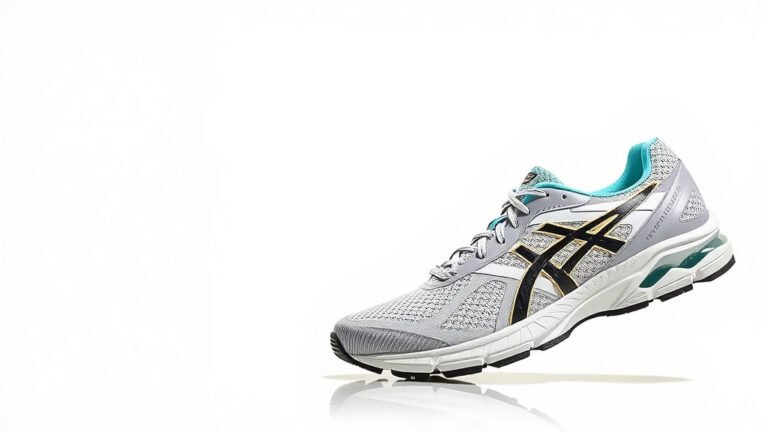
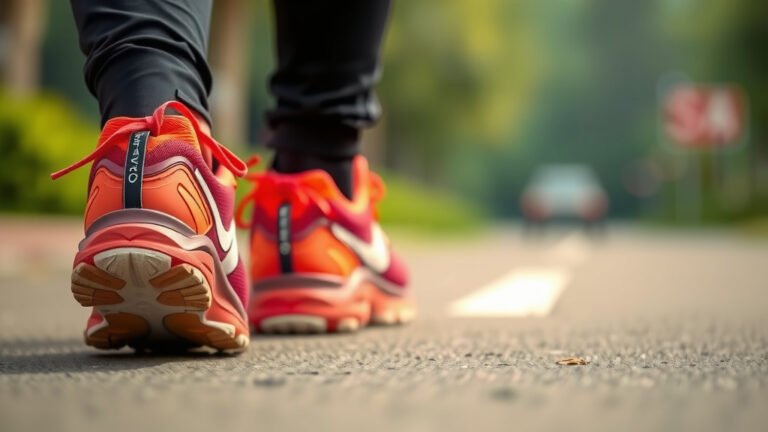
Managing supination with the right shoes means finding footwear that offers extra cushioning and flexible support to help your feet absorb shock better. Look for shoes with a neutral pronation design, often featuring ample padding and a softer midsole to counteract your high arches and outward roll. This can make a big difference in preventing foot pain and discomfort.
Supination, sometimes called underpronation, is when your foot doesn’t roll inward enough during walking or running. This can put extra stress on your outer foot and leg. Choosing the correct footwear is key to providing the necessary support. We found that many people with supination benefit from shoes designed for shock absorption and a gentler ride.
- Choose shoes with plenty of cushioning.
- Opt for neutral shoes, not stability or motion control types.
- Look for a flexible sole that bends with your foot.
- Consider shoes with a wider forefoot for better balance.
Ready to find shoes that will make your feet happy? Let’s walk through exactly what to look for and some great options to consider for managing supination.
Choosing the Right Shoes for Supination
Finding the best shoes for supination is all about looking for footwear that acts like a gentle hug for your feet. Your feet naturally roll outward, meaning they don’t absorb shock as well as feet that pronate normally. This can lead to pain in your feet, ankles, and even up into your knees and hips. The right shoes can make a world of difference. We found that focusing on cushioning and flexibility is key.
Understanding Your Supinating Foot
When your foot supinates, it means the outer edge of your foot bears most of the impact when you walk or run. Your arch tends to be higher, and there’s less surface area on the ground to help distribute force. Think of it like trying to balance on a basketball – it’s not the most stable! Research shows that this can put extra stress on the smaller bones in your feet and the connective tissues (Cleveland Clinic).
Key Features to Look For
So, what should you actually look for in a shoe? Forget about shoes that try to “correct” your foot’s natural movement. Instead, you want shoes that support it and make it more comfortable. We’ve seen that focusing on these specific features helps supination.
Ample Cushioning is Your Best Friend
This is perhaps the most important factor. Supinating feet need extra help to absorb shock. Look for shoes with generous cushioning in the midsole. This soft layer acts like a shock absorber, softening the impact of every step. You’ll want to feel a noticeable difference when you press down on the sole. Brands often highlight their cushioning technology, so keep an eye out for terms like “plush,” “soft ride,” or “responsive cushioning.”
Flexibility for a Natural Stride
While cushioning is vital, your shoe also needs to be able to bend. You don’t want a stiff board under your foot. A shoe that bends naturally with your foot allows for a more comfortable and efficient stride. Try gently bending the shoe in your hands; it should flex at the ball of the foot, not in the middle of the arch. This flexibility helps your foot move more naturally with each step.
Neutral Design, Not Stability
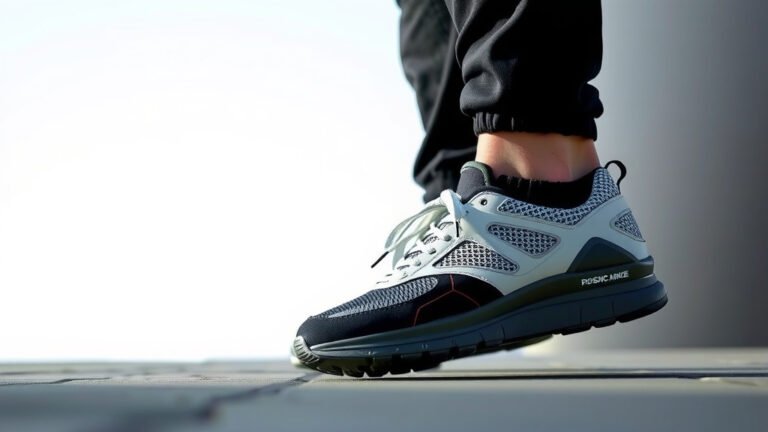
This might seem counterintuitive, but for supination, you generally want to avoid shoes labeled “stability” or “motion control.” These shoes are designed to limit inward rolling, which is the opposite of what a supinating foot does. Instead, seek out shoes labeled as “neutral.” Neutral shoes are built to accommodate a wide range of foot types and provide cushioning without overcorrecting. They allow your foot to move as it’s meant to.
Consider the Midsole Material
The midsole is the heart of your shoe’s cushioning. Materials like EVA (ethylene-vinyl acetate) or specialized foam compounds are common. We’ve found that softer EVA foams offer excellent shock absorption, which is perfect for supination. Some shoes combine different densities of foam for a balanced feel – soft enough for comfort, but firm enough for support.
A Wider Forefoot Can Help
Some people with supination find that a slightly wider forefoot provides a more stable base. This can help your foot feel more balanced and less likely to roll excessively outward. It’s not a hard and fast rule, but if you notice your toes feeling cramped or unstable, look for shoes with a bit more room in the toe box.
What to Avoid When Shopping for Supination Shoes
Just as important as knowing what to look for is knowing what to steer clear of. Certain shoe features can actually make supination worse.
Rigid Arch Support
While some people with high arches might think they need stiff arch support, this is often not the case for supination. Overly rigid support can actually create pressure points and prevent your foot from absorbing shock properly. Your goal is cushioning and flexibility, not a rigid structure fighting your foot.
Aggressive Stability or Motion Control Features
As mentioned, shoes designed to prevent overpronation (inward rolling) are generally not suitable for supination. Features like dense medial posts or stiff heel counters aimed at limiting pronation can create discomfort and pain for supinators. They can force your foot into an unnatural position.
A Quick Checklist for Supinating Shoppers
Ready to hit the shoe store or browse online? Keep this handy list to guide your choices:
- Prioritize plush cushioning, especially in the heel and forefoot.
- Look for shoes with a neutral pronation design.
- Ensure the sole offers good flexibility at the ball of your foot.
- Check that the shoe doesn’t feel too stiff or rigid.
- Consider brands known for comfort and shock absorption.
- If possible, try them on and walk around to feel the comfort.
Trying Them On: The Final Test
The best way to know if a shoe is right for you is to try it on. Wear the type of socks you normally would. Walk around the store. Do your feet feel comfortable? Is there enough cushioning? Does the shoe bend with your foot? Listen to your body; it will tell you what feels good. Many shoe stores offer gait analysis, which can sometimes be helpful, but your personal comfort is the ultimate guide. We found that many people with supination feel an immediate difference in softer, well-cushioned neutral shoes.
Conclusion
Finding the right shoes for supination is about supporting your foot’s natural movement, not fighting it. Remember, plush cushioning and flexibility are your best allies. Opt for neutral shoes that allow your foot to absorb shock effectively. You want a shoe that feels comfortable and natural, letting you walk or run without extra strain. By focusing on these features and avoiding rigid stability options, you can significantly reduce discomfort. Take the steps today to find footwear that makes a real difference for your feet!
Frequently Asked Questions
Can athletic insoles help with supination if I can’t find the right shoes?
Yes, sometimes specialized insoles or orthotics can be a great addition. Look for cushioned insoles with good arch support that don’t feel too stiff. They can add that extra shock absorption you need. Always try them in your shoes first to ensure a comfortable fit.
How often should I replace shoes if I have supination?
For supinators, it’s extra important to replace shoes when the cushioning breaks down. Generally, this is around every 300-500 miles of running or every 6-12 months for daily wear. You might notice less shock absorption or increased foot pain when it’s time for a new pair.
Are walking shoes different from running shoes for supination?
Yes, they can be. Running shoes often have more advanced cushioning and shock absorption technology. For supination, a well-cushioned neutral running shoe might actually work better for walking too. Prioritize cushioning and flexibility regardless of the shoe type.
What if my supination causes knee or hip pain?
Foot mechanics can affect your entire kinetic chain. If you have knee or hip pain, it could be related to supination. Wearing the right shoes with good shock absorption is a great first step. If pain persists, consulting a physical therapist or podiatrist is highly recommended.
Can I wear my supination shoes for activities other than walking or running?
While the principles of cushioning and flexibility apply broadly, highly specialized shoes might be best suited for their intended activity. However, a good pair of neutral, well-cushioned shoes can often serve well for general everyday wear and lighter activities.