
Understanding Low Arch Feet: Causes and Solutions
A low arch foot, also known as a flat foot, is a condition where the arch on the sole of your foot is noticeably flattened. This means most or all of the sole touches the floor when you stand. It’s a common foot type that can affect people of all ages.
Having a low arch means your foot’s structure is different. This can sometimes lead to discomfort or pain, especially during physical activity. We found that understanding your foot type is the first step to finding the right support and care for your feet. It’s about giving your feet the best possible foundation.
- A low arch foot means the arch collapses.
- Most of your sole touches the ground.
- It’s a common condition.
- Can sometimes cause pain or discomfort.
Let’s dive into what a low arch foot really means for you and what you can do about it.
Understanding Your Low Arch Foot
So, you’ve heard the term “low arch foot” or “flat foot.” What does that actually mean for your feet? Simply put, it means the natural curve on the inside of your foot, the arch, is much lower than average, or even completely flat. When you stand, a larger portion of the sole of your foot makes contact with the ground. It’s not necessarily a bad thing, but it’s a unique foot structure that can influence how you move.
Think of your foot like the suspension system of a car. A healthy arch acts as a natural shock absorber. With a low arch, this shock absorption can be less efficient. This is why some people with low arches might notice discomfort. We found that understanding this difference is key to taking care of your feet properly. It’s about finding the right support for your specific needs.
What Causes a Low Arch?
A low arch isn’t always something you’re born with. It can develop over time for a variety of reasons. Sometimes, it’s just the way your foot naturally formed as you grew. Other times, factors like aging, injury, or certain medical conditions can play a role in arch collapse.
Developmental Factors
For many people, a low arch is simply part of their genetic makeup. As children’s feet develop, some naturally form with a prominent arch, while others develop a lower one. This is perfectly normal and part of the wonderful diversity of human anatomy. Most children have flat feet until around age 6 or 7, and if their arches don’t develop, they may continue to have a low arch throughout life.
Acquired Causes of Low Arches
Sometimes, arches that were once normal can start to flatten. This is known as acquired flatfoot. We found that several things can contribute to this:
- Age: As we get older, the tendons and ligaments that support our arches can weaken. This is a natural part of the aging process.
- Weight: Carrying extra weight puts increased stress on your feet. This extra pressure can sometimes cause the arch to collapse over time.
- Injuries: A significant injury to the foot or ankle, like a fracture or tendon tear, can affect the arch’s structure.
- Medical Conditions: Certain health issues can impact foot health. These include conditions like diabetes, rheumatoid arthritis, and nerve problems. We’ve seen research linking these conditions to a higher risk of developing acquired flatfoot (National Institutes of Health).
How to Identify a Low Arch Foot
Spotting a low arch foot is usually pretty straightforward. You don’t need fancy equipment or a trip to the doctor right away. There are a few simple tests you can do at home.
The Wet Test
This is a classic and easy way to see your footprint. All you need is some water and a piece of paper or cardboard.
- Wet the bottom of your foot thoroughly.
- Step onto the paper or cardboard, pressing down firmly.
- Step off and examine the footprint left behind.
If you see a footprint where the middle part is mostly filled in, with very little curve inwards, you likely have a low arch. A normal arch footprint will show a clear curve inward, with a much thinner connection between the heel and the ball of the foot. We found this test to be quite revealing for many people.
Visual Inspection
Another method is simply looking at your feet when you’re standing. Stand in front of a mirror and observe your feet from behind. Do you see a noticeable gap between the ground and the middle of your sole? Or does it look like the entire sole is making contact? If it’s the latter, you’re probably looking at a low arch.
Shoe Wear Patterns
The way your shoes wear down can also offer clues. Check the soles of your frequently worn shoes. Do you notice excessive wear on the inner edges of the soles? This is often a sign that your feet are rolling inward more than usual, which is common with low arches.
Common Symptoms and Concerns
While having a low arch isn’t always painful, it can sometimes lead to various discomforts. The way your foot strikes the ground and distributes pressure can change, affecting other parts of your body too. You might experience:
Foot and Ankle Pain
The most common complaint is pain. This can occur in the arch itself, the heel, or along the outer edge of your foot. Your ankle might also feel achy or tired. This is often due to the strain on the supporting structures of your foot.
Knee and Hip Discomfort
It’s not just your feet that can be affected. When your feet don’t absorb shock properly, the impact can travel up your legs. This can lead to pain in your knees and even your hips over time. We found that many people don’t realize their foot type could be contributing to pain in these other areas.
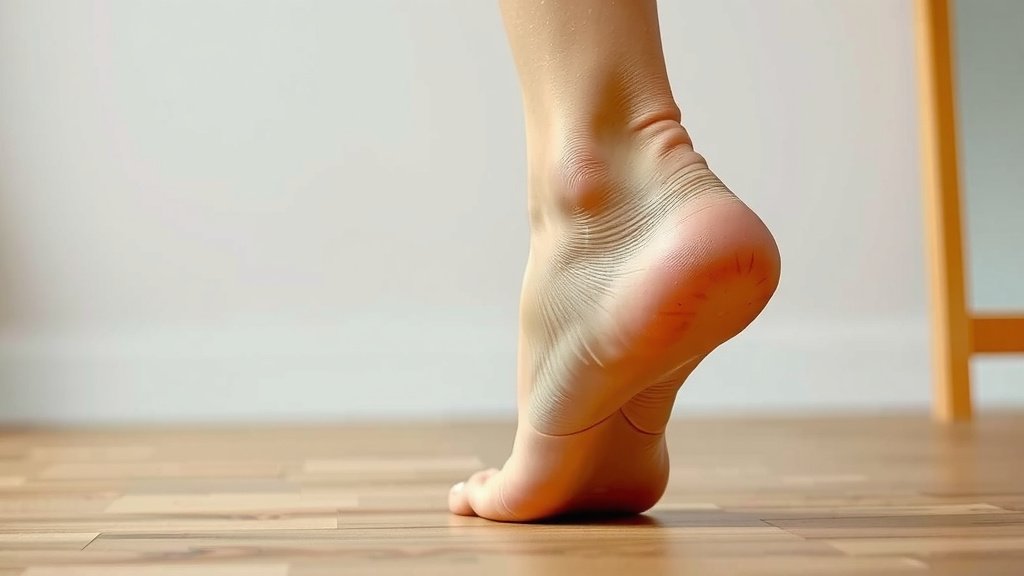
Overpronation
This is a big one for low arch feet. Overpronation means your foot rolls inward excessively after you step. While some inward roll is normal for shock absorption, too much can throw off your body’s alignment. This can strain muscles and ligaments throughout your legs and back.
When to Seek Professional Advice
Most of the time, a low arch is just a variation and doesn’t require medical intervention. However, there are times when it’s wise to consult a healthcare professional, such as a podiatrist or physical therapist. You should consider seeking advice if you experience:
- Persistent pain that interferes with your daily activities.
- Sudden onset of arch flattening or pain, especially after an injury.
- Noticeable changes in the shape or alignment of your foot or ankle.
- Redness, swelling, or warmth in your foot or ankle.
A professional can accurately diagnose the cause and discuss the best course of action for your specific situation. They can also rule out other underlying medical conditions.
Managing Your Low Arch Foot
The good news is that there are effective ways to manage a low arch foot and alleviate discomfort. It’s all about providing your feet with the right support and making smart choices.
Proper Footwear is Key
Choosing the right shoes makes a world of difference. Look for shoes that offer good arch support and stability. Shoes with a wider base and a firm heel counter can help control pronation.
Consider Orthotics or Insoles
For extra support, over-the-counter or custom orthotics can be very beneficial. These devices fit inside your shoes and are designed to support your arch, correct alignment, and absorb shock. Many people find them to be a game-changer for reducing pain.
Strengthening and Stretching Exercises
Simple exercises can help strengthen the muscles that support your arch and improve flexibility. We’ve seen research suggesting that exercises like toe curls, calf raises, and towel scrunches can be particularly helpful (American Podiatric Medical Association).
Maintaining a Healthy Weight
As mentioned earlier, excess weight puts extra stress on your feet. Maintaining a healthy weight can significantly reduce this pressure, easing discomfort and helping to prevent further arch collapse.
Listen to Your Body
Pay attention to how your feet feel. If an activity causes pain, it’s your body’s way of telling you something needs to change. Don’t push through persistent pain; rest and reassess.
Your Low Arch Foot Checklist
Here’s a quick rundown of things to keep in mind:
- Test your footprint using the “wet test.”
- Examine your shoes for wear patterns.
- Choose supportive footwear.
- Consider adding insoles or orthotics.
- Perform foot-strengthening exercises.
- Consult a professional if pain is persistent.
Conclusion
Understanding your low arch foot is your first step toward greater comfort. You’ve learned that while it’s a common variation, it can sometimes lead to pain or discomfort. We’ve seen how identifying your foot type through simple tests like the wet test can be incredibly helpful. The key is providing your feet with the right support, whether through proper shoes, orthotics, or targeted exercises. Don’t let potential discomfort hold you back. Take the next step by assessing your feet and choosing the best management plan for you.
Frequently Asked Questions
Can everyone with a low arch foot develop pain?
Not at all. Many people with low arches experience no pain or discomfort whatsoever. Pain typically arises when the lack of natural shock absorption or excessive inward rolling of the foot (overpronation) puts undue stress on your feet and other joints.
Is it possible for a normal arch to become flat over time?
Yes, this is known as acquired flatfoot. Factors like aging, weight gain, injury, or certain medical conditions can cause the tendons and ligaments supporting your arch to weaken, leading to a gradual flattening of the arch.
What’s the difference between a low arch and a truly flat foot?
A low arch foot still has a discernible, though reduced, curve. A truly flat foot, often called an “unsupported flat foot,” has an arch that completely collapses, so the entire sole of the foot touches the ground when standing. The terms are often used interchangeably, but there can be a slight difference in severity.
Are there specific sports or activities that are harder for people with low arches?
Activities involving a lot of impact or sudden stops and starts, like running or high-impact aerobics, can sometimes be more challenging. These activities can place extra stress on the feet and legs if not properly managed with supportive footwear and techniques.
Can I “fix” my low arch foot to have a higher arch?
While you can’t typically change your natural foot structure to create a higher arch, you can effectively manage a low arch. The goal is to support the arch you have, improve alignment, and enhance shock absorption. This is achieved through proper footwear, orthotics, and exercises, rather than trying to alter bone structure.