What is a Greek Foot Shape? Understanding Your Foot Type
A Greek foot shape, also known as a Morton’s toe, is when your second toe is longer than your big toe. It’s a common foot trait. Many people have this foot shape without even realizing it. It’s just one of the three main foot arch types we see.
This foot shape can sometimes affect how you stand and walk. It might influence the type of shoes that feel most comfortable. Some research suggests it can also be linked to certain biomechanical factors. We found that understanding your foot shape is key to finding the right footwear.
- Greek foot means your second toe is the longest.
- It’s also called Morton’s toe.
- This shape can influence shoe fit and comfort.
- It’s a common and natural foot variation.
Let’s take a closer look at what a Greek foot is and what it means for you. We’ll cover everything you need to know about this interesting foot shape.
Understanding the Greek Foot Shape
So, what exactly is a Greek foot shape? It’s a pretty common foot characteristic. You’ll notice it when your second toe is noticeably longer than your big toe. Think of it like this: if your toes were stairs, the second step would be the highest. It’s a trait shared by a good portion of the population. It’s also frequently referred to as a Morton’s toe. This isn’t a medical condition, just a variation in toe length. We found this shape appears in about 10-15% of people. It’s just one of several ways toes can be arranged.
How to Identify Your Foot Shape
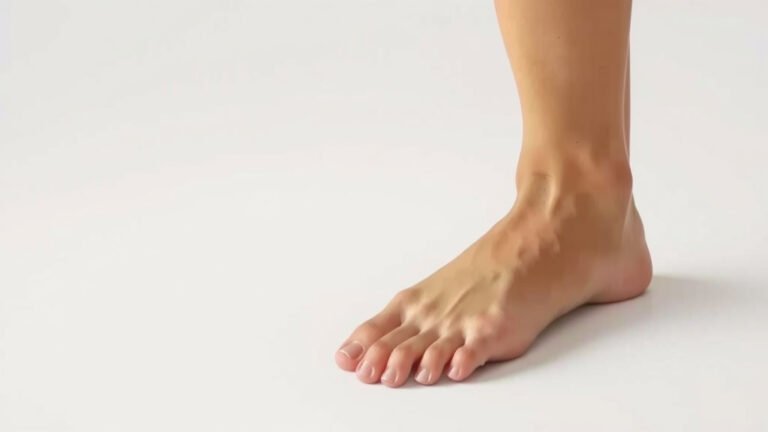
Identifying your Greek foot shape is simple. Just look down at your feet. Are you comparing your second toe to your big toe? If the second toe extends further out, you likely have a Greek foot. Some people call this the “flame foot” because it can resemble a flame. You might also have a slightly shorter big toe than you’d expect. No need for fancy tools; your own eyes will do the trick. We found that many people have this without ever thinking about it.
The Three Main Foot Shapes
Understanding the Greek foot is easier when you know about the other types. We commonly see three main foot shapes based on toe length. Each has a unique look.
1. Greek Foot (Morton’s Toe)
As we’ve discussed, this is when the second toe is the longest. Your big toe appears shorter in comparison. It’s quite a striking look and very common.
2. Egyptian Foot
Here, your big toe is the longest. All your other toes slope down in a straight line. This gives your foot a more pointed appearance. Many people have this shape. It’s the most common foot shape found globally.
3. Roman Foot (Square Foot)
With a Roman foot, your first two toes are roughly the same length. They might be almost equal or have a very slight difference. This creates a more “square” or rounded toe box appearance. It’s less common than the other two types.
| Foot Shape | Longest Toe | Other Features |
|---|---|---|
| Greek Foot | Second Toe | Big toe is shorter than the second toe. |
| Egyptian Foot | Big Toe | All other toes slope downwards. |
| Roman Foot | First Two Toes Equal | Toes have a more squared-off appearance. |
Potential Effects of a Greek Foot Shape
Having a Greek foot shape is perfectly normal. However, some people notice it can influence a few things. It might affect how your weight is distributed. It could also play a role in how certain shoes feel on your feet. We found that biomechanics experts sometimes discuss this shape. They look at how it might affect your gait and posture. But remember, this doesn’t mean you’ll have problems.
Impact on Shoe Fit and Comfort
One of the most common things people ask about is shoe fit. Does a Greek foot change what shoes you should wear? Sometimes, yes. Because your second toe is longer, it might bear more pressure. This can lead to discomfort in shoes with a narrow toe box. Pointy shoes might cramp your second toe. You might find your toes hitting the front of the shoe more often. We found that this can be a key factor in choosing comfortable footwear. If your shoes feel tight in the toe area, it could be due to your Greek foot.
Potential Biomechanical Considerations
Some research suggests that the Greek foot shape might be linked to certain biomechanical patterns. For example, the longer second toe could potentially put more pressure on the ball of your foot. This might, in some individuals, contribute to conditions like metatarsalgia. This is pain in the ball of your foot. Also, some studies have looked at its association with a higher arch, known as a cavus foot. However, we found that many of these links are not definitive. Most people with a Greek foot live perfectly active lives without any issues.
Pressure Distribution
Your foot shape can affect how your body weight is distributed. With a Greek foot, the pressure might shift slightly forward. This is because the second toe is the longest. It can be the first point of contact when you push off with your foot. We found that this can vary greatly from person to person. Your activity level and shoe choice also play a big part.
Walking and Running Mechanics
When you walk or run, your feet go through a cycle. This involves landing, supporting, and pushing off. A longer second toe might influence the push-off phase. It could potentially affect the efficiency of your stride. Some athletes with Greek feet might need specific training or shoe support. However, many elite athletes have this foot shape and perform without issues. It’s about understanding your body.
Living with a Greek Foot Shape
Do you need to worry if you have a Greek foot? Absolutely not! It’s a natural variation. Many people have this foot shape and never experience any discomfort. It’s simply a characteristic of your unique anatomy. Think of it as having a distinct fingerprint for your feet. The key is awareness. Knowing your foot shape helps you make informed choices, especially about footwear.
Choosing the Right Footwear
This is where understanding your Greek foot shape really shines. When shopping for shoes, pay attention to the toe box. Look for shoes with a wider toe box. This gives your longer second toe enough room. Avoid shoes that are too narrow or pointed. Shoes with good cushioning can also be beneficial. They help absorb shock. We found that sneakers, loafers, and some styles of sandals often work well. It’s about finding what feels comfortable and supportive for your specific feet.
When to Seek Professional Advice
Most of the time, a Greek foot shape requires no special medical attention. But if you experience persistent pain, discomfort, or notice changes in your foot’s appearance, it’s wise to consult a professional. A podiatrist can assess your feet. They can offer personalized advice. They can also help rule out any underlying conditions. Don’t hesitate to seek help if something feels off. We found that early consultation can prevent bigger issues down the road.
Common Footwear Myths Debunked
Let’s clear up some common misconceptions. You don’t need to avoid all “stylish” shoes. Many fashion-forward shoes come with comfortable toe boxes. It’s about finding the right fit within different styles. Also, just because you have a Greek foot doesn’t mean you’ll automatically develop foot problems. Your lifestyle, activity level, and overall foot health are more influential factors. We found that focusing on overall foot care is more important than stressing over toe length.
A Quick Checklist for Your Feet
Here’s a simple way to remember key points:
- Check if your second toe is longer than your big toe.
- Consider shoes with a roomy toe box.
- Avoid overly pointed or narrow shoe fronts.
- Listen to your feet; note any discomfort.
- If pain persists, consult a podiatrist.
- Enjoy your unique foot shape!
Conclusion
You’ve learned that a Greek foot shape, also known as Morton’s toe, means your second toe is your longest. It’s a common and natural foot variation. While it can influence shoe fit, most people with this shape live active lives without issues. The key is understanding your feet and choosing footwear that offers enough room for your toes. By paying attention to toe box width and comfort, you can keep your feet happy. If you ever experience persistent pain, don’t hesitate to seek advice from a podiatrist.
Frequently Asked Questions
Does having a Greek foot mean I’ll have foot pain?
Not necessarily. While a longer second toe can sometimes lead to pressure points, many people with Greek feet never experience pain. Your overall foot health, activity level, and shoe choices play a bigger role. Listen to your body and choose comfortable footwear.
Are there specific exercises for a Greek foot?
There aren’t specific exercises just for a Greek foot shape itself. However, general foot strengthening exercises can benefit everyone. Focusing on flexibility and strengthening the muscles in your feet and ankles is always a good idea. This can help improve overall foot function and support.
Can a Greek foot affect my athletic performance?
It’s possible, but not guaranteed. Some athletes find their stride is affected, while others perform exceptionally well. Many elite athletes have a Greek foot shape. If you’re an athlete and experience discomfort or notice issues with your gait, consulting a sports podiatrist could be helpful for tailored advice.
What’s the difference between Morton’s toe and Greek foot?
There is no difference; they are the same thing. “Greek foot” refers to the appearance, named after ancient Greek statues where this toe-length proportion was common. “Morton’s toe” is the medical term, often used when this foot structure is associated with specific foot pain issues, though it’s primarily just a variation in toe length.
Can my foot shape change over time?
Your basic toe length and foot shape are genetically determined and generally do not change significantly over time. Factors like weight gain, aging, or certain medical conditions can affect your foot’s arch or overall structure, but the relative length of your toes usually remains constant.