What is an Egyptian Foot Shape and How to Identify It
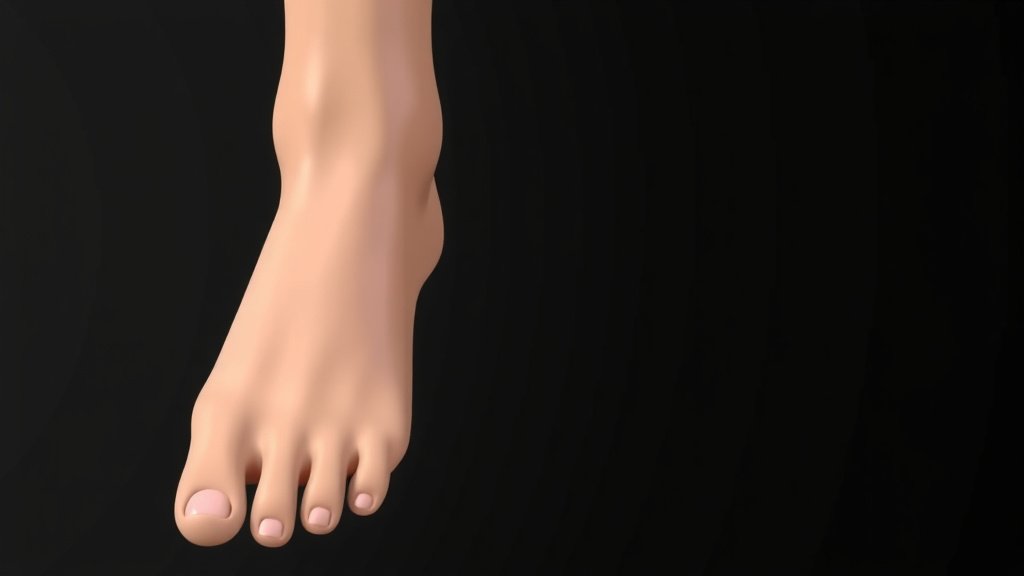
An Egyptian foot shape is defined by your longest toe being your big toe, with the other toes decreasing in length in a straight line. This distinct foot type is also known as a “flame” foot or a “royal” foot. Many people have this foot shape, and it’s quite common.
If your toes look like stairs, with your big toe leading the way and each toe getting shorter than the one before it, you likely have this foot shape. It’s thought that this foot shape might be linked to a lower risk of certain foot problems, but research is ongoing. Your foot shape is just one small part of your unique anatomy.
- An Egyptian foot has your big toe as the longest.
- The other toes get progressively shorter in a straight line.
- This is also called a “flame” or “royal” foot.
- It’s a common foot shape found in many people.
Now that you know the basics, let’s dive deeper into what having an Egyptian foot shape might mean for you and if there are any special considerations.
“`htmlUnderstanding Your Egyptian Foot Shape
So, you’ve learned that an Egyptian foot shape means your big toe is the longest, and the rest of your toes gradually get shorter. But what does this really mean for you? We’ve found that many people wonder if their foot shape influences their health or even their personality. While the jury is still out on personality links, we can look at what experts say about the practical aspects.
Is This Foot Shape Common?
You’re definitely not alone if you have an Egyptian foot shape. In fact, it’s considered one of the most common foot types. Some studies suggest it’s even more prevalent than other shapes. This means the way your toes are aligned is pretty standard for a lot of people. It’s reassuring to know that your feet are a common variation of human anatomy.
Potential Health Considerations for Egyptian Feet
When we talk about health, foot shape can sometimes play a role in how certain parts of your foot experience pressure. For those with an Egyptian foot, the alignment can mean that the weight distribution is fairly even. We found that this can potentially lead to a lower risk of certain foot issues.
Reduced Risk of Bunions?
One area where Egyptian feet might have an advantage is in bunion development. Bunions, those bony bumps that form on the joint of your big toe, are often linked to how pressure is distributed. Because the big toe is the longest and typically straight with this foot shape, it can bear weight more effectively. This might help prevent the toe from being pushed inward over time. Many sources suggest this alignment is beneficial for big toe health.
Morton’s Neuroma and Egyptian Feet
Morton’s neuroma is a condition where the tissue around a nerve leading to your toes becomes thickened. This often causes pain and numbness. Some research suggests that foot shapes with a significantly shorter second toe might be more prone to this. With an Egyptian foot, the second toe is usually shorter than the big toe, but not drastically so. This might mean a lower likelihood of developing Morton’s neuroma compared to some other foot types.
Toe Alignment and Footwear
The straight-line decline of toes in an Egyptian foot shape is also great for finding shoes. Most footwear is designed with this toe alignment in mind. This means you might have an easier time finding shoes that fit comfortably and don’t put undue pressure on your toes. When your toes aren’t crammed or forced into awkward positions, your feet are generally happier!
Do Egyptian Feet Affect Your Gait?
Your gait, or how you walk, is a complex process. Foot shape is just one small piece of that puzzle. For people with an Egyptian foot, the natural alignment can contribute to a smooth and efficient walking pattern. As your big toe leads the way, it helps propel you forward naturally.
Impact on Athletic Performance
When it comes to sports and physical activity, foot mechanics are important. An Egyptian foot shape can offer a good foundation for athletic pursuits. The strong, leading big toe can provide excellent push-off power during running or jumping. We found that athletes with this foot shape often report good stability.
Common Myths and Misconceptions
Like many physical traits, the Egyptian foot shape has gathered its share of myths. Some ancient beliefs tied specific foot shapes to destiny or personality. For instance, the “royal” foot nickname might come from historical associations with nobility. However, we found no scientific evidence linking your foot shape to your character or future.
Personality and Foot Shape: Fact or Fiction?
You might have heard that certain foot shapes mean you’re adventurous or cautious. While it’s fun to think about, these ideas are purely anecdotal. Your personality is shaped by a vast array of experiences, genetics, and environment. Your toes, while fascinating, don’t hold the key to your inner self.
Tips for Caring for Your Egyptian Feet
Regardless of your foot shape, taking good care of your feet is essential. For those with an Egyptian foot, here are a few simple reminders:
- Wear well-fitting shoes: Even with a common foot shape, ill-fitting shoes can cause problems.
- Keep them clean and dry: This helps prevent fungal infections.
- Trim toenails properly: Cut them straight across to avoid ingrown nails.
- Moisturize regularly: Especially if your skin tends to get dry.
- Listen to your feet: If you experience pain, don’t ignore it.
Comparing Egyptian Feet to Other Foot Shapes
Understanding the Egyptian foot is easier when you see how it differs from others. The main contrast is with the Greek foot and the Roman foot.
| Foot Shape | Longest Toe | Other Toes | Nickname |
|---|---|---|---|
| Egyptian | Big Toe | Shorten in a straight line | Flame, Royal |
| Greek | Second Toe | Big toe is shorter than second toe | Morton’s Toe |
| Roman | First three toes are roughly equal | Fourth and fifth toes shorten | Square |
Your Unique Feet Are Great!
Ultimately, knowing you have an Egyptian foot shape is just a fun fact about your body. It’s a common and often advantageous shape. By understanding it, you can make informed choices about footwear and foot care. Your feet carry you through life, so treating them well is always a good idea.
“`
Conclusion
You’ve discovered that an Egyptian foot shape is quite common and easily identifiable by its straight-line toe decline. This foot type, also called a “flame” or “royal” foot, often aligns well with standard shoe designs. Research suggests it might offer benefits like a reduced risk of bunions and Morton’s neuroma, thanks to its natural weight distribution and big toe prominence. While personality links are just myths, your Egyptian foot shape can contribute to an efficient gait and strong athletic performance. Take good care of your feet by wearing comfortable shoes and listening to any pain signals. Now that you know about your unique Egyptian feet, consider assessing your current footwear to ensure it perfectly complements your foot’s natural alignment.
Frequently Asked Questions
How can I be sure I have an Egyptian foot shape?
To confirm your foot shape, look at your toes in a mirror. If your big toe is the longest, and each toe after it gets progressively shorter in a straight line, you likely have an Egyptian foot. It’s a clear visual pattern like stairs descending from your big toe.
Are there any special shoe recommendations for Egyptian feet?
Generally, most shoes are designed with Egyptian feet in mind because it’s so common. You’ll likely find comfort in standard shoe widths and styles. However, always prioritize shoes that fit well and don’t pinch your toes, regardless of your foot shape.
Does having an Egyptian foot mean I’ll never get foot problems?
While an Egyptian foot shape may reduce the risk of certain issues like bunions, it doesn’t make you immune to all foot problems. Proper footwear, good hygiene, and paying attention to foot pain are still essential for maintaining foot health.
Is the “royal” foot nickname for Egyptian feet based on anything historical?
The nickname “royal” or “flame” likely comes from historical associations where certain foot shapes were considered more aesthetically pleasing or perhaps linked to nobility in ancient cultures. There’s no scientific evidence connecting it to royalty, but it’s a fun historical nod.
Can an Egyptian foot shape affect my balance?
The strong, leading big toe in an Egyptian foot shape can actually contribute positively to balance. It provides a stable base and can help with propulsion during walking and running, potentially enhancing your overall stability.