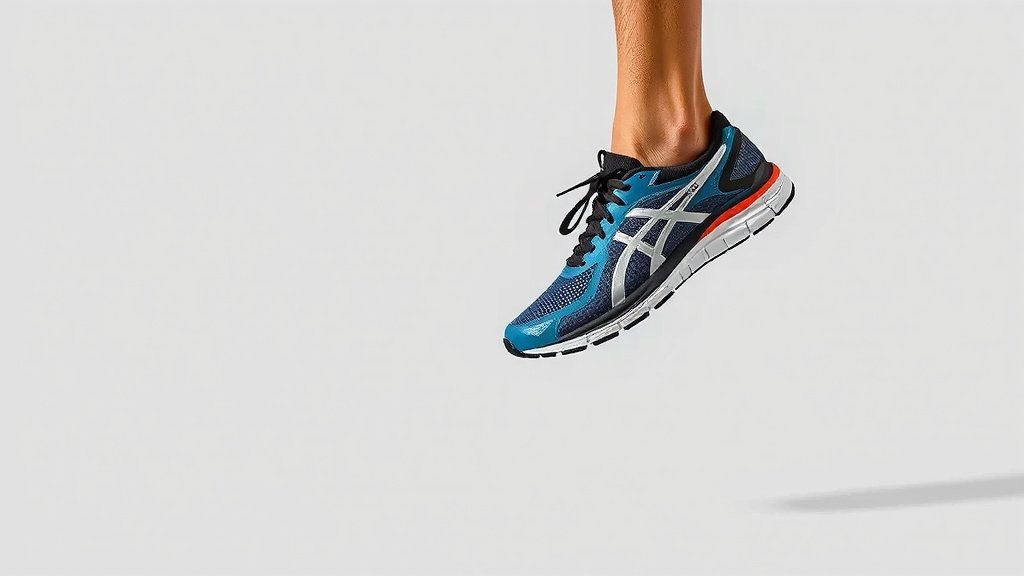
Switching Running Shoe Brands: A Practical Guide
Yes, you can absolutely switch running shoe brands without major issues. The key is to do it gradually and mindfully to give your body time to adjust. Many runners worry about this transition, but with the right approach, you can find a new favorite pair. It’s all about listening to your body and making smart choices.
Switching brands might seem daunting, but it’s a common practice for runners seeking a better fit or performance. You might be curious about what makes one shoe feel different from another. Understanding shoe construction and how it impacts your stride is helpful. It’s about finding the best shoe for your unique running style.
- Introduce new shoes slowly into your routine.
- Run shorter distances in the new brand first.
- Pay attention to how your feet and legs feel.
- Don’t be afraid to go back to your old brand if needed.
Let’s walk through exactly how to switch running shoe brands so you can do it with confidence. We’ll cover what to look for and how to make the transition as smooth as possible.
Making the Switch to New Running Shoe Brands
Switching to a different running shoe brand can feel like a big decision. You’ve found a shoe that works well, so why change? The truth is, brands evolve, and sometimes your needs change too. You might be searching for a better feel, more support, or a lighter shoe. Whatever the reason, transitioning to a new brand doesn’t have to be painful.
The key is to ease into it. Think of it like introducing a new food to your diet. You wouldn’t eat a whole new dish at once, right? You’d try a small bite first. Your feet and legs will thank you for taking a similar approach with new running shoes.
Why Consider a New Running Shoe Brand?
Many factors can lead you to explore different brands. Shoe models get updated, sometimes changing their fit or feel significantly. What worked perfectly last year might not feel the same this year. Your own body can also change.
Perhaps you’ve developed a new ache or pain that your current shoes aren’t addressing. You might be training for a different distance or type of race. Or, simply put, you might just be curious about what else is out there. Research shows that variety in footwear can sometimes be beneficial for runners (American Podiatric Medical Association).
It’s also about finding that perfect match. Just like finding the right pair of jeans, shoe fit is highly personal. What feels amazing on one runner’s foot might be uncomfortable on another’s. Exploring different brands increases your chances of finding a shoe that truly complements your biomechanics.
Understanding Shoe Differences: What to Look For
Running shoes differ in several key areas. These differences affect how they feel and perform on your run. Understanding these can help you choose your next pair wisely.
Cushioning Levels
This is perhaps the most noticeable difference. Some shoes offer a plush, soft ride, while others feel firmer and more responsive. Think about your typical runs. Do you prefer sinking into a cloud on long, easy miles? Or do you like a shoe that gives you a bit more feedback from the road for faster workouts?
Maximalist vs. Minimalist
Maximalist shoes have a thick midsole for maximum shock absorption. Minimalist shoes offer very little cushioning, aiming to mimic barefoot running. Most runners fall somewhere in between these two extremes. We found that understanding where you land on this spectrum helps narrow your choices.
Heel-to-Toe Drop
This refers to the height difference between the heel and the forefoot of the shoe. A higher drop (10-12mm) is common in traditional running shoes. It can feel natural for many and may reduce strain on the Achilles tendon. A lower drop (0-8mm) encourages a more midfoot or forefoot strike.
If you’re used to a higher drop, switching to a very low-drop shoe needs careful introduction. Your calf muscles and Achilles tendon will need time to adjust to the increased workload. Many experts suggest a If you’re used to a higher drop, our guide to running shoe drop explains how to make a gradual reduction.gradual reduction in drop if you’re moving to a lower-profile shoe.
Foot Shape and Width
Do your feet feel squeezed in your current shoes? Many brands offer shoes in various widths, like narrow, standard, wide, and extra-wide. Some brands also have different overall shapes, with some being more accommodating in the toe box or midfoot.
It’s worth noting that shoe sizes can vary between brands. A size 9 in one brand might fit differently than a size 9 in another. Always check the brand’s sizing chart and read reviews about how a particular model runs.
Support and Stability Features
Some shoes are designed for runners who need extra support to control pronation (the inward rolling of the foot). These are often called stability shoes. Neutral shoes offer less structure and are suitable for runners with a neutral gait or those who supinate (roll outward).
If you’ve always worn stability shoes, consider what’s causing your pronation. Sometimes, strengthening your feet and lower legs can reduce the need for aggressive support. However, if you have biomechanical issues, finding a stability shoe in a new brand is key.
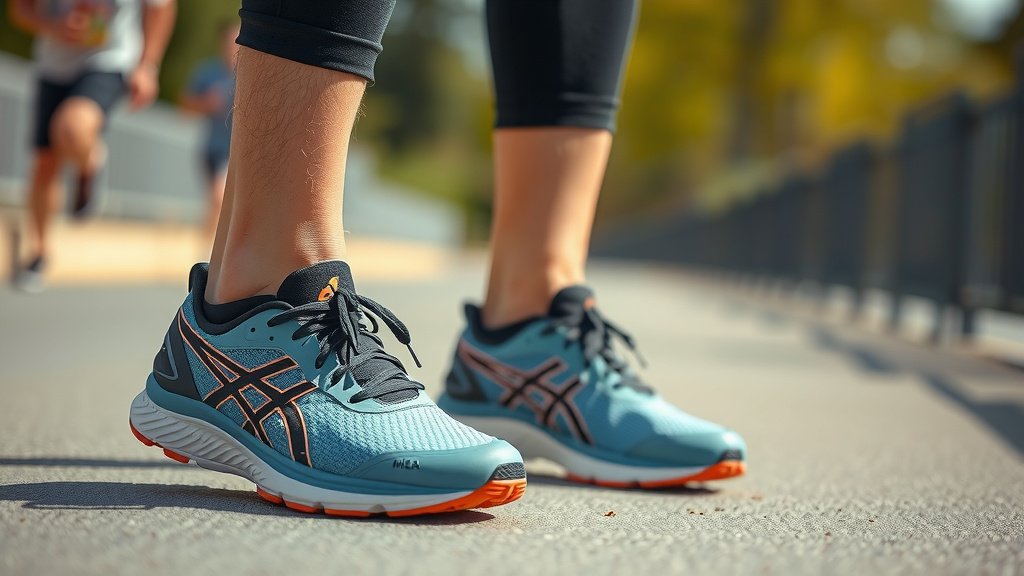
The Gradual Transition Strategy: Your Roadmap to Success
This is where the magic happens. A slow and steady approach will prevent injuries and allow you to truly evaluate the new shoes.
Start with Short, Easy Runs
Your first runs in the new shoes should be short and at an easy pace. Think 2-3 miles at most. This allows your feet and legs to get accustomed to the new feel without overstressing them. You’re just dipping your toes in the water, so to speak.
Alternate Your Shoes
Don’t ditch your old, reliable shoes immediately. Instead, alternate between your old pair and the new pair. For example, wear your old shoes for a longer run and the new shoes for a shorter recovery run. This mix gives your body the best of both worlds. Don’t ditch your old, reliable shoes immediately; instead, alternate between your old pair and the new pair.
We found that alternating helps you compare the feel side-by-side. You’ll notice differences more clearly. This method also prevents you from putting too much mileage on the new shoes before you’re sure they’re a good fit.
Listen to Your Body – Really Listen!
This is the most critical part of the transition. Pay close attention to how your feet, ankles, knees, and hips feel during and after your runs. Are you experiencing any new aches or pains? Is there excessive rubbing or discomfort?
Your body will tell you if something isn’t right. Don’t push through sharp pains. Minor tightness or a slightly different sensation is often normal, but consistent pain is a red flag. Many physical therapists advise that listening to your body is the best injury prevention strategy (National Institutes of Health).
Progress Your Mileage Slowly
Once you’ve completed a few short runs without issues, you can gradually increase the distance in your new shoes. Slowly build up the mileage over several runs. If you felt great on a 3-mile run, try a 4 or 5-mile run next time.
Continue alternating with your old shoes during this phase. The goal is to reach a point where you can comfortably run your typical weekly mileage in the new shoes without discomfort. This might take a week or two, depending on your training volume.
When to Stick With or Revisit Your Old Brand
What if the new shoes just aren’t working out? It’s okay to admit it. Not every shoe is a match for every runner, and that’s perfectly normal. If you’ve followed the gradual transition plan and are still experiencing significant discomfort or pain, it might be time to reconsider.
Don’t feel pressured to make the new shoe work if it’s causing problems. Your running health is the priority. You can always go back to your previous brand or model, or explore another brand entirely. Sometimes, it takes trying a few different options to find the right fit.
Key Takeaways for a Smooth Transition
- Introduce new shoes for short, easy runs only.
- Alternate your new shoes with your familiar, old pair.
- Be hyper-aware of any new aches or pains.
- Gradually increase mileage in the new shoes if they feel good.
- Don’t hesitate to return to your old brand if discomfort persists.
- Consider consulting a running store specialist or physical therapist if you have concerns.
Conclusion
Switching running shoe brands doesn’t have to be a gamble. By embracing a gradual transition, you give your body the best chance to adapt. Remember to start with short, easy runs and alternate with your trusted old pair. Paying close attention to any feedback from your legs and feet is your most important tool. If discomfort arises, it’s perfectly fine to reassess and even return to what you know works. Your running journey is unique, and finding the right shoe is part of that adventure. Take that next step with confidence, armed with this strategy.
Frequently Asked Questions
How long should I alternate my old and new shoes before switching completely?
We found that alternating for about one to two weeks is usually sufficient. This period allows you to compare how your body feels in both pairs over different types of runs. Don’t rush this process; listen to your body’s signals throughout.
What if I experience minor aches when trying a new brand?
Slight tightness or a feeling of unfamiliarity can be normal. However, sharp or persistent pain is a warning sign. If you notice significant discomfort that doesn’t subside after a few easy runs, it’s best to reduce mileage in the new shoes or stop using them.
Can I switch to a completely different shoe type, like from stability to neutral?
Yes, but this transition requires extra caution. If you’re moving from a stability shoe to a neutral one, ensure your foot and ankle are strong enough. Consider strengthening exercises, and introduce the new neutral shoes very slowly, just like any other brand switch.
What should I do if my new shoes feel too stiff?
A new shoe often feels stiffer until it breaks in. Try increasing the duration of your easy runs in them gradually. If the stiffness persists and causes discomfort during or after runs, the shoe might not be the right fit for your biomechanics.
Is it okay to buy a new brand based only on online reviews?
Online reviews can be helpful, but they don’t replace personal experience. Shoe fit is highly individual. We recommend trying on shoes in a specialty running store if possible, even if you plan to buy online later. This helps you gauge the feel on your own feet.