Tempo Trainer Explained: What It Is and How It Works
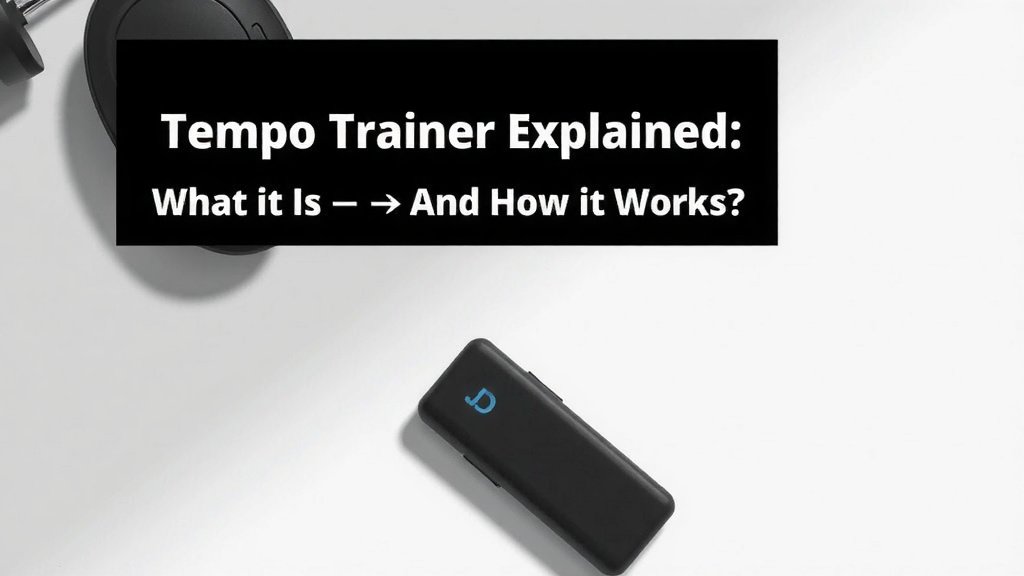
A tempo trainer is a small electronic device that provides an audible metronome beat to help you maintain a consistent pace during workouts. It’s like having a personal coach, right on your wrist or clipped to your clothes, keeping you in your rhythm. Think of it as a **sound-based guide** for your running, cycling, or swimming cadence. Its main goal is to help you improve your performance by controlling your speed.
We found that using a tempo trainer can be incredibly helpful for athletes of all levels. Whether you’re training for a marathon or just trying to get a better workout at the gym, this little gadget keeps your body moving at the right speed. It’s a straightforward tool that delivers real results by making consistency achievable. Many athletes use it to prevent injury by avoiding sudden bursts of speed or slow-downs.
- A tempo trainer provides a steady beat.
- It helps you maintain a consistent workout pace.
- Ideal for running, cycling, swimming, and more.
- Aims to improve performance and prevent injury.
- Easy to use and wear during activity.
Ready to get a better handle on your workout tempo? Let’s dive into what a tempo trainer is and how it can benefit you.
What Exactly is a Tempo Trainer?
A tempo trainer is a small, wearable device that helps you control your workout speed. It generates a consistent auditory cue, like a click or beep, at a pace you set. You sync your movements to this beat. Think of it as a metronome for your body during exercise. Its primary job is to help you achieve and maintain a specific tempo.
This consistent pacing is key for improving your fitness. It helps you train smarter, not just harder. We found that many athletes struggle with maintaining a steady rhythm. A tempo trainer acts as an external guide. It’s like having a coach constantly saying, “Keep that pace!” This simple yet effective tool can transform your training sessions.
How Does a Tempo Trainer Work?
The basic principle is straightforward. You set the desired pace, usually measured in beats per minute (BPM). Then, you wear the trainer, often clipped to your waistband or wrist. As you exercise, the device emits a sound at your chosen BPM. Your goal is to match your movement cadence to this sound.
Setting Your Tempo
Most tempo trainers allow you to input your target BPM. This is typically done through simple button presses on the device. Some advanced models might connect to apps for easier programming. You’ll need to know what tempo is ideal for your specific training goal. This might require some research or guidance from a coach.
The Audible Cue
The sound produced can vary. Some devices offer different tone options. The most common is a distinct beep or click. It’s designed to be audible over ambient noise but not overly distracting. You just need to hear it clearly enough to adjust your rhythm.
Benefits of Using a Tempo Trainer
Using a tempo trainer offers several advantages for your fitness journey. Consistency is the main theme here. Let’s look at how it helps you achieve better results.
Improving Endurance and Stamina
One of the biggest benefits is building endurance. By maintaining a steady, challenging pace for longer periods, you condition your body. You teach your cardiovascular system to work efficiently. We found that consistent effort is more effective for endurance gains than inconsistent bursts of speed. Your body becomes better at using oxygen.
Enhancing Running and Cycling Cadence
For runners and cyclists, cadence is vital. It refers to your steps per minute or pedal strokes per minute. An optimal cadence can improve efficiency and reduce injury risk. A tempo trainer helps you find and stick to that sweet spot. Many running experts recommend a cadence between 170-180 steps per minute (US National Library of Medicine).
For instance, if you’re a runner aiming for a 180 BPM cadence, you’d set your trainer to that number. Then, you’d focus on taking one step for every beat you hear. This takes practice, but the trainer provides the constant feedback needed. You’ll quickly feel when you’re too fast or too slow.
Optimizing Swimming Strokes
Swimmers can also benefit greatly. A tempo trainer, often waterproof or used with a waterproof version, can help with stroke rate. Maintaining a consistent stroke count per length helps build rhythm. It helps prevent over-stroking, which can be inefficient. Efficient strokes lead to faster times and less fatigue over distance.
Preventing Injury Through Pacing
Sudden changes in pace can strain your body. Speeding up too quickly or slowing down abruptly can lead to muscle pulls or other injuries. A tempo trainer encourages smooth transitions and consistent effort. This consistency can protect your joints and muscles. We found that controlled, steady training is often recommended for injury prevention.
Boosting Workout Efficiency
When you’re focused on maintaining a tempo, you’re less likely to get distracted or slack off. It keeps your mind engaged with the physical task at hand. This leads to more focused workouts. You get more quality work done in less time. It helps you push yourself effectively throughout the entire session.
Who Can Benefit from a Tempo Trainer?
Almost anyone looking to improve their workout consistency can find a tempo trainer useful. It’s not just for elite athletes.
Beginner Athletes
New runners or cyclists might struggle with pacing. A tempo trainer can teach them good habits from the start. It prevents them from going out too fast and burning out early. They learn what a sustainable pace feels like.
Intermediate and Advanced Athletes
Even experienced athletes use tempo trainers for specific training goals. They might use it for tempo runs, where the goal is to hold a comfortably hard pace. This type of training is excellent for improving lactate threshold. Many coaches incorporate tempo training into their athlete’s plans.
Recreational Exercisers
If you enjoy walking, jogging, or cycling for fitness, a tempo trainer can make your workouts more effective. It adds an element of structure. You can ensure you’re working out at a beneficial intensity every time.
Key Features to Look For
When choosing a tempo trainer, consider these aspects to make sure it fits your needs.
Ease of Use
How simple is it to set the BPM and start the device? You don’t want a complicated gadget when you’re trying to focus on your workout. Simple controls are best.
Audible Volume and Tone Options
Can you hear it clearly? Does it offer different sound options? Some people prefer a sharper click, while others like a softer beep.
Battery Life and Durability
A trainer with long battery life is essential for extended training sessions or races. It should also be durable enough to withstand sweat and movement.
Water Resistance (for Swimmers)
If you plan to use it in the pool, ensure it is waterproof. Not all tempo trainers are designed for aquatic use.
Wearability and Comfort
How do you plan to wear it? Some clip on, others are wristbands. Choose one that feels comfortable and secure during your activity.
Tempo Trainer vs. Other Pacing Tools
You might wonder how a tempo trainer stacks up against other devices. Let’s compare.
| Feature | Tempo Trainer | Smartwatch with Pace Alerts | Running Apps |
|---|---|---|---|
| Primary Function | Audible, consistent beat for cadence | GPS-based pace alerts, heart rate tracking | GPS/cadence tracking, audio cues |
| Ease of Use During Workout | Very high; just listen and move | Moderate; requires screen interaction | Moderate; requires phone and app interaction |
| Accuracy of Pace | Precise for cadence; not for speed unless linked | Precise for speed via GPS (can be affected by signal) | Precise for speed via GPS |
| Battery Life | Generally very long | Moderate, depends on usage | Moderate, depends on phone usage |
| Cost | Most affordable | Can be expensive | Free to moderate subscription costs |
While smartwatches and apps offer more features like GPS tracking, a dedicated tempo trainer excels at one thing: providing a pure, unwavering auditory rhythm. It’s a focused tool for a specific purpose.
Tips for Using Your Tempo Trainer Effectively
To get the most out of your tempo trainer, follow these simple tips:
- Start with a realistic tempo setting.
- Gradually increase the duration you train with the beat.
- Listen to your body and adjust if needed.
- Practice in different environments.
- Don’t be afraid to experiment with different tempos.
- Focus on the sound, not just the numbers.
Conclusion
You’ve learned that a tempo trainer is a simple yet powerful tool for improving your workout consistency. It provides that steady beat you need to maintain your desired pace, whether you’re running, cycling, swimming, or engaging in other activities. By helping you achieve a consistent rhythm, you can boost endurance, enhance your technique, and importantly, reduce your risk of injury. This focused approach to training helps you work smarter and get more out of every session.
Ready to experience these benefits yourself? Consider investing in a tempo trainer to bring a new level of precision and effectiveness to your fitness routine. Start with a realistic pace and gradually build up your training time with the beat.
Frequently Asked Questions
How do I find the right tempo setting for my workout?
Finding your ideal tempo usually involves a bit of research and experimentation. You can look up recommended cadences for your specific activity, like running or cycling, or consult with a coach. Start with a setting that feels challenging but sustainable for you.
Can a tempo trainer really prevent injuries?
Yes, by promoting consistent pacing and smooth transitions, a tempo trainer can help prevent injuries. Sudden changes in speed can strain your muscles and joints. Maintaining a steady rhythm helps your body adapt more gradually and reduces the risk of overexertion or abrupt movements.
Is a tempo trainer only for serious athletes?
Not at all. While elite athletes use them for specific training goals like tempo runs, tempo trainers are beneficial for anyone. Beginners can use them to develop good pacing habits, and recreational exercisers can make their workouts more structured and effective.
What’s the difference between a tempo trainer and a smartwatch pace alert?
A tempo trainer focuses purely on providing an audible beat for your cadence, making it very easy to listen and move. Smartwatches offer GPS-based pace alerts, which are great for tracking overall speed but can sometimes require you to look at a screen, interrupting your focus.
Do I need a waterproof tempo trainer for swimming?
If you plan to use your tempo trainer in the pool or during any water-based activity, you absolutely need a waterproof model. Standard tempo trainers are not designed to withstand submersion and will likely be damaged by water.