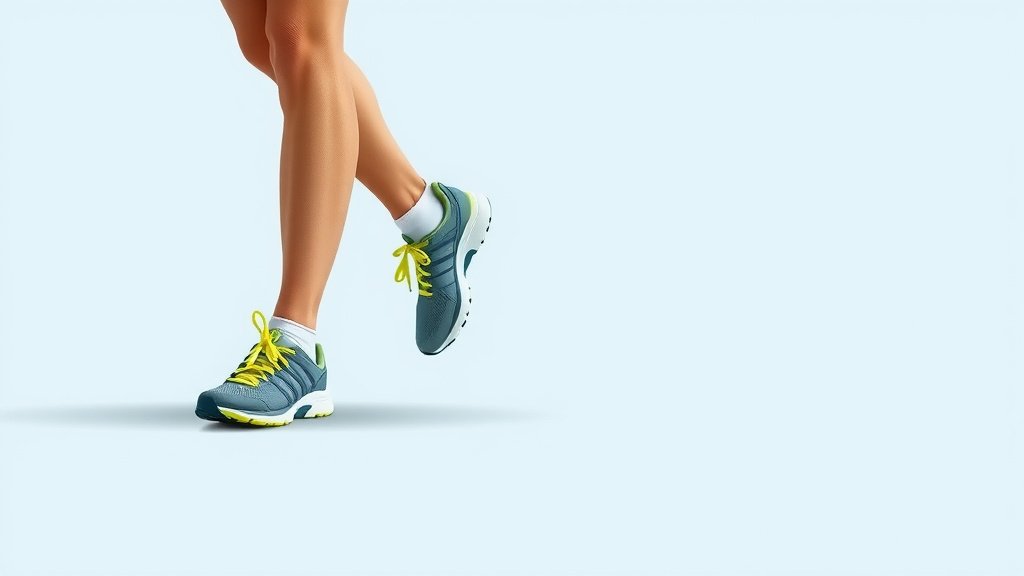
Tempo Run Shoes: Your Guide to Choosing the Right Pair
Choosing the right running shoes for your tempo runs is all about finding a balance between cushioning and responsiveness. You want shoes that feel light and quick on your feet, offering a good amount of bounce without being overly soft. Think of them as your speedy companions, ready to help you hit those faster paces comfortably.
Tempo runs are where you push your pace a bit, but not all-out sprint. So, your shoes should support that effort. Many runners find shoes with a firmer feel and a bit of pop work best. We found that focusing on a shoe that doesn’t feel bulky is key for these workouts.
- Look for shoes that are both cushioned and responsive.
- Prioritize a lighter feel for faster running.
- Consider a firmer ride over super-soft cushioning.
- Avoid shoes that feel too heavy or clunky.
Ready to find your perfect tempo running partner? Let’s break down what to look for and some great options that can help you fly.
“`htmlPicking the Right Running Shoes for Tempo Runs
Tempo runs are a sweet spot in your training. You’re running faster than easy miles, but not going all out. Your shoes should help you feel quick and supported during these efforts. We’ve found that balancing cushioning with responsiveness is key. You want a shoe that gives a little bounce, not one that feels like you’re running on pillows or concrete. Think of them as your speed-day sidekicks.
What Makes a Tempo Run Shoe Different?
Tempo shoes aren’t quite as plush as your everyday trainers. They also aren’t as minimalist as racing flats. They sit in a happy medium. This means they offer enough comfort for longer efforts. But they also have that ‘pop’ to help you pick up the pace. Many runners find that a shoe that feels a bit firmer works best.
The Cushioning vs. Responsiveness Debate
You might wonder, “Do I need a lot of cushion for tempo runs?” The answer is usually no. Too much soft cushioning can feel sluggish. It can absorb some of that energy you’re trying to put into your stride. On the other hand, you don’t want to feel every little pebble. A good tempo shoe offers enough cushioning to protect your legs.
The goal is to feel the road without being beaten up by it. Responsiveness comes from the shoe’s midsole material. It’s how quickly the foam bounces back after being compressed. A more responsive shoe feels lively and helps propel you forward. We found that many tempo runners prefer this ‘springy’ feeling.
Weight Matters for Speed
When you’re running faster, every ounce counts. Heavy shoes can drag your feet down. They can make it harder to maintain your desired pace. Tempo shoes are typically lighter than your daily trainers. This lightness contributes to that feeling of speed and ease. You want a shoe that feels like an extension of your foot, not a burden.
Key Features to Look For
So, what should you actively search for when shopping? Let’s break down the important features to consider. These are the elements that can make or break your tempo run experience.
Midsole Technology: The Heart of the Shoe
The midsole is where all the magic happens for responsiveness. Many brands use different foams, some proprietary. Look for terms like ‘energetic foam’ or ‘responsive cushioning.’ These often indicate a foam designed for a quicker feel. We’ve seen that some foams offer a good balance. They are soft enough for comfort but firm enough for speed.
Propulsion plates are another technology to consider. These are often made of carbon fiber or firm plastic. They can be found in some tempo shoes. They are designed to help spring you forward. They can feel a bit stiff at first. But many runners find they add a significant boost during faster paces. Research suggests these plates can improve running economy (Frontiers in Physiology).
Upper Construction: Breathability and Fit
The upper of the shoe is what wraps around your foot. For tempo runs, you want an upper that is lightweight and breathable. This helps keep your feet cool when you’re working hard. It also prevents your feet from getting too sweaty and uncomfortable. A good fit is also critical here. You don’t want your foot sliding around inside the shoe.
Look for uppers made from engineered mesh or knit materials. These are often very breathable and flexible. The lacing system should also allow for a secure lockdown. This means your foot feels held in place without being too tight or causing hot spots. We found that a snug midfoot wrap is ideal.
Outsole: Grip and Durability
The outsole is the part of the shoe that touches the ground. You need good traction, especially if you run on varied surfaces or in wet conditions. Most tempo shoes use rubber for the outsole. The amount and placement of rubber can vary. More rubber generally means more durability but also more weight. Less rubber can make the shoe lighter but wear out faster.
For tempo runs, you don’t need an overly aggressive tread like a trail shoe. A smooth, durable rubber compound will typically suffice. It should provide confident grip on roads and measured surfaces. We found that good grip allows you to push off efficiently.

What to Avoid in Tempo Shoes
Just as important as knowing what to look for is knowing what to steer clear of. Some shoe features can actually hinder your tempo run performance.
Excessive Softness and Bulk
As we touched on, overly soft shoes can be a problem. They can feel mushy and slow down your turnover. Similarly, shoes that feel heavy or bulky are not ideal. They can make it feel like you’re working much harder than you need to. These might be great for recovery runs, but not for speed work.
Poor Fit or Uncomfortable Feel
This might seem obvious, but it bears repeating. If a shoe doesn’t feel right when you try it on, it won’t feel right on a run. Pay attention to any rubbing, pinching, or hot spots. Your foot shape is unique, so what works for one runner might not work for another. A bad fit can lead to blisters and discomfort, ruining your tempo effort.
Your Tempo Shoe Checklist
Here’s a quick rundown to help you remember the key things to look for:
- Lightweight Feel: The shoe should feel nimble on your feet.
- Responsive Midsole: Look for that ‘springy’ sensation.
- Secure Fit: Your foot should be held comfortably.
- Breathable Upper: Keep your feet cool and dry.
- Sufficient, Not Excessive, Cushioning: Enough to protect, not so much it’s mushy.
- Good Grip: Confident traction on your usual running surfaces.
| Feature | Tempo Shoe | Daily Trainer |
|---|---|---|
| Weight | Lighter | Moderate to Heavier |
| Cushioning | Moderate, Firmer | Plush, Softer |
| Responsiveness | Higher | Moderate |
| Flexibility | Moderate | Moderate to High |
| Best For | Tempo runs, interval training, some races | Easy runs, recovery runs, long runs |
Finding the right shoe can truly change your running experience. By focusing on these features, you’ll be well on your way to selecting a pair that helps you hit those tempo paces with confidence and comfort. Remember, the best shoe for you is the one that feels great on your feet and supports your specific running goals.
“`Conclusion
You’ve learned that picking the right tempo running shoes means finding that sweet spot between cushioning and responsiveness. You want a shoe that feels light, energetic, and doesn’t hold you back. Avoid overly soft or heavy options; instead, seek out breathable uppers, secure fits, and midsoles that give you a noticeable pop. By focusing on these key features, you can select a pair that makes your faster runs feel more comfortable and efficient. Your next step is to visit your local running store or browse reputable online retailers with these tips in mind. Go find those speed-day companions!
Frequently Asked Questions
Can I use my regular daily trainers for tempo runs?
While you can technically run a tempo in your daily trainers, it’s not ideal. Daily trainers are often heavier and softer, designed for comfort over many miles. This cushioning can feel sluggish when you’re trying to pick up the pace, absorbing some of your energy instead of returning it.
How much cushioning is enough for tempo shoes?
You need enough cushioning to protect your legs from impact during faster efforts, but not so much that it feels mushy. Think of it as a firmer, more responsive cushioning rather than plush softness. The goal is to feel connected to the ground while still getting some protection.
Do I really need shoes with carbon plates for tempo runs?
Carbon plates are a great feature for some tempo shoes, offering propulsion and efficiency. However, they aren’t a requirement. Many runners find excellent tempo shoes without plates that provide the desired responsiveness. It often comes down to personal preference and budget.
How important is the weight of a tempo running shoe?
Weight is quite important for tempo runs. Lighter shoes generally feel faster and require less effort to lift your legs with each stride. While a few extra ounces won’t ruin your run, choosing a shoe that feels nimble can significantly improve your perception of speed and comfort.
What if a shoe feels firm but still good for tempo runs?
A firm feel is often a good sign for tempo shoes! It indicates that the midsole foam is likely to be responsive and energetic, rather than soft and energy-absorbing. As long as the shoe fits well and doesn’t feel jarring or uncomfortable, a firmer ride is usually what you want for picking up the pace.