Choosing Snow Running Shoes: A Winter Guide
Choosing the right running shoes for snow means prioritizing traction, waterproofing, and good support. You want shoes with aggressive lugs on the outsole for grip on slippery surfaces. Waterproof materials are key to keeping your feet dry and warm during winter runs. Look for shoes that offer enough cushioning and stability for your needs.
Running in snow presents unique challenges. Your regular trainers might not offer the necessary grip or protection from the elements. We found that the right pair can make a huge difference in your comfort and safety. Proper footwear helps prevent slips and keeps your feet from getting painfully cold. It means you can stick to your running routine, no matter the weather.
- Look for aggressive lugs for best traction.
- Waterproof materials are essential for dry feet.
- Ensure adequate cushioning and support.
- Consider reflective elements for low-light conditions.
- Fit is always the most important factor.
Let’s get your feet ready for those winter miles. Below, we’ll walk you through exactly how to pick the perfect snow running shoes.
“`htmlPicking the Right Running Shoes for Snowy Trails
So, you’re ready to hit the snowy paths but your trusty road shoes just won’t cut it? We get it. Running in snow is a whole different ball game. You need footwear that can handle slippery surfaces and keep your feet happy. This guide will help you find shoes that offer the best grip and protection.
Grip is King: Understanding Traction for Snow Runs
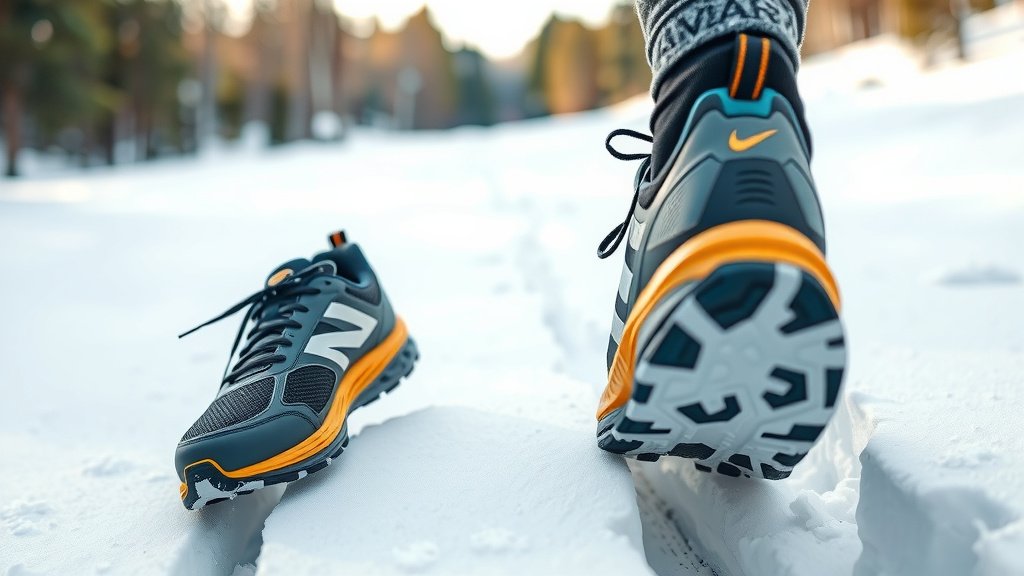
The most important feature for snow running shoes is traction. You need a sole that can bite into the snow and ice. Think of it like your car tires in winter; you want aggressive tread. This helps you maintain stability and prevent those embarrassing slips and falls.
Lug Patterns: More Than Just Squiggles
Look closely at the outsole tread. You’re looking for deep, widely spaced lugs. These lugs act like cleats, digging into soft snow for better grip. Some shoes even have specific designs engineered for winter conditions. We found that wider lugs tend to shed mud and snow better, preventing them from getting caked up.
Studded vs. Non-Studded Options
You’ll find two main types of snow running shoes: studded and non-studded. Non-studded shoes rely on aggressive lug patterns. Studded shoes have small metal spikes, or carbide studs, built into the outsole. These offer superior grip on sheer ice. Many experts say studded shoes are ideal for icy conditions, while aggressive lugs suffice for packed snow (American College of Sports Medicine).
We found that for light to moderate snow, a good lug pattern is often enough. But if you frequently run on icy trails, consider investing in studded shoes. It can be a real confidence booster on treacherous terrain.
Weatherproofing Your Feet: Staying Dry and Warm
Cold, wet feet can quickly turn a fun run into a miserable ordeal. Waterproofing and breathability are your best friends. You want a shoe that keeps moisture out but allows sweat to escape. This is often achieved through special membranes.
Waterproof Materials Explained
Many winter running shoes use waterproof-breathable membranes like GORE-TEX. These materials are fantastic at blocking external water while letting vapor from your sweat escape. This keeps your feet dry from both rain, snow, and internal perspiration. We found that this is key for longer runs or when temperatures are really dropping.
However, it’s important to note that even the best waterproof shoes can eventually get soaked if you’re running through deep slush or standing in puddles for extended periods. Proper lacing and gaiters can also help.
The Importance of Breathability
While waterproofing is vital, don’t forget breathability. A shoe that’s *too* waterproof can become a sweatbox. This can lead to clammy feet, which ironically can also get cold. A good balance means your feet stay dry and comfortable, no matter the conditions. Many brands are doing a great job of combining these two features.
Support and Cushioning for Winter Miles
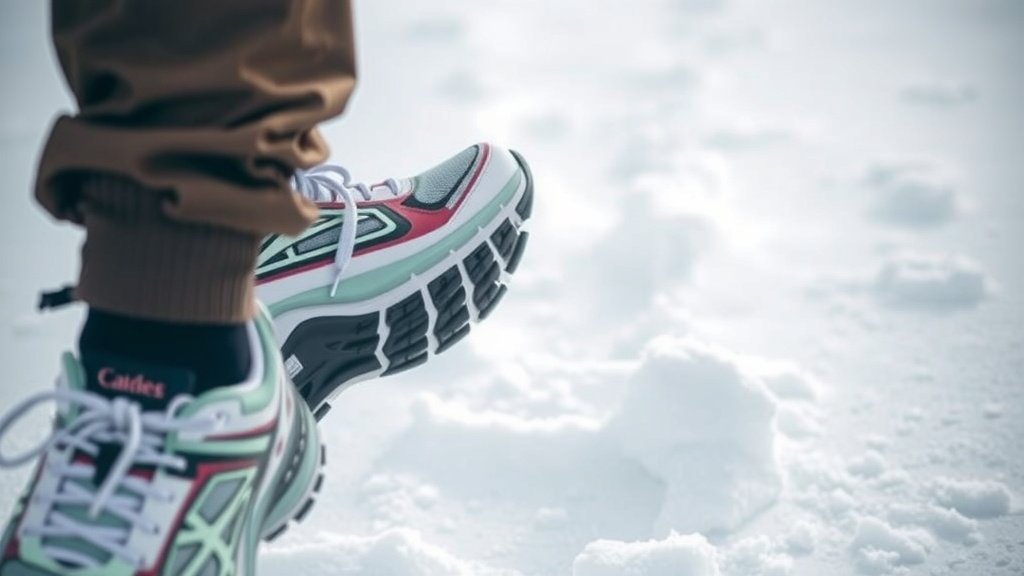
Just like your regular running shoes, you need to consider support and cushioning. Snow and ice can create uneven surfaces. You need shoes that provide enough stability and shock absorption to keep you comfortable and safe.
Match the Shoe to Your Gait and Needs
Are you a neutral runner or do you need stability? Your snow running shoes should ideally match your usual running shoe type. If you overpronate, look for stability features. If you have a neutral gait, a neutral shoe will likely work well. We found that trying on different models is essential here.
Cushioning is also important. Trails can be harder when frozen. More cushioning can help absorb impact, reducing fatigue on your legs and joints. Think about the terrain you’ll be running on most often. Rocky, uneven trails might call for more protection.
Consider Gaiters for Extra Protection
What are gaiters? They are fabric cuffs that attach to your shoe and go up your ankle. They act like a second layer of defense against snow, mud, and debris getting into your shoes. We found that gaiters are particularly useful for deep snow conditions or if you’re running off-trail. They can make a huge difference in keeping your lower legs and feet warm and dry.
Fit and Features: The Final Touches
Even with the best traction and waterproofing, a poorly fitting shoe is no good. Fit is always the most important factor. You also want to consider other features that make winter running easier.
Finding Your Perfect Fit
When trying on snow running shoes, wear the type of socks you normally run in. Many people opt for thicker, wool socks in winter. Make sure there’s enough room in the toe box for your toes to wiggle a bit, especially since your feet might swell slightly. The heel should feel secure, with no slipping. You should feel comfortable and supported immediately.
Reflectivity for Low Light
Winter days mean less daylight. Many snow running shoes incorporate reflective elements. These help make you more visible to others, like drivers or cyclists, especially during dawn, dusk, or dark runs. We found that this is a safety feature that’s often overlooked but incredibly important during winter months.
Durability for Harsh Conditions
Winter running can be tough on shoes. Look for shoes with durable uppers and robust construction. They need to withstand snow, ice, mud, and salt. Many brands offer specific trail running shoes that are built for durability, making them a great choice for snow.
To summarize, here’s a quick checklist for choosing your snow running shoes:
- Check the outsole: Look for deep, aggressive lugs.
- Test the waterproofing: Ensure it has a reliable waterproof membrane.
- Consider studs if you run on ice often.
- Make sure they fit snugly but comfortably, with room for thicker socks.
- Look for reflective details for safety in low light.
- Think about extra features like gaiter compatibility.
Conclusion
You’re now equipped to tackle winter runs with confidence. Finding the right snow running shoes means focusing on what truly matters: exceptional traction with aggressive lugs, reliable waterproofing to keep your feet dry and warm, and adequate support and cushioning for uneven terrain. Don’t forget the importance of a perfect fit and those extra safety features like reflectivity. Your perfect pair is out there. Now, go lace up and enjoy your winter miles!
Frequently Asked Questions
How do I know if I need studded snow running shoes?
If you frequently run on icy trails or encounter sheer ice where a good tread isn’t enough, studded shoes are your best bet. They offer superior grip on slick, frozen surfaces and can prevent dangerous slips. For packed snow or moderate ice, aggressive lugs might suffice.
Can I just use my regular trail running shoes for snow?
Your regular trail shoes might work for light dustings of snow. However, they often lack the deep lugs for serious traction and sufficient waterproofing for wet conditions. For anything more than a sprinkle, dedicated snow running shoes offer better protection and grip.
How important is breathability in waterproof snow running shoes?
Breathability is very important. While you want your feet protected from the elements, you also need sweat to escape. If a shoe isn’t breathable, moisture can build up inside, making your feet cold and damp, defeating the purpose of waterproofing. Look for a good balance.
Should I size up my snow running shoes for thicker socks?
It’s a good idea to try on snow running shoes with the socks you plan to wear. If you opt for warmer, thicker wool socks in winter, ensure there’s enough room in the toe box. Your toes should wiggle freely without feeling cramped, especially as feet can swell slightly.
Are gaiters necessary for snow running?
Gaiters aren’t strictly necessary but are highly recommended for deep snow or off-trail running. They attach to your shoes and cover your ankles, preventing snow, mud, and debris from entering your shoes. This keeps your feet warmer and drier for longer runs in challenging conditions.