Best Running Shoes for Concrete: A 2026 Guide
Choosing the right running shoes for concrete surfaces is key to happy feet and happy miles. Look for shoes with excellent cushioning and shock absorption to protect your joints. A durable outsole will also prevent premature wear on hard, abrasive ground. Your goal is to find a shoe that offers both support and comfort for your pavement pounding.
Running on concrete puts a lot of impact on your body. Without the right shoes, you might feel jarring shocks up your legs. That’s why finding shoes designed for this specific surface is so important. We’ve researched the best options to ensure your runs are enjoyable and injury-free, focusing on cushioning and durability.
- Prioritize cushioning for shock absorption.
- Look for a durable outsole for longevity.
- Consider your foot type and pronation.
- Test shoes for a comfortable, snug fit.
Ready to find your perfect concrete companions? Let’s walk through exactly what you need to consider when selecting your next pair of running shoes.
Picking the Right Shoes for Pounding Pavement
Running on concrete can feel like a workout for your shoes, too! The hard surface demands a lot from your footwear. We’ve researched what makes a running shoe great for concrete to help you find your perfect pair. You want shoes that offer a great balance of comfort and protection.
Why Concrete Demands Special Attention
Concrete is unforgiving. Every step sends shockwaves up your legs. Without proper cushioning, this can lead to discomfort or even injury over time. Many experts suggest that over 80% of runners regularly run on hard surfaces like sidewalks and roads (CDC). This is why choosing shoes designed for these conditions is so important.
The Pillars of Great Concrete Running Shoes
When you’re shopping, keep a few key features in mind. These are the elements that will make your runs on concrete feel much better. Think of them as your shoe’s superhero powers.
Cushioning: Your First Line of Defense
This is probably the most important factor for concrete running. Good cushioning acts like a mini shock absorber for each footfall. It helps to dissipate the impact forces before they reach your joints. We found that shoes with ample midsole foam offer the best protection against jarring impacts.
Look for shoes that feel soft underfoot, but not so soft that they feel unstable. The right cushioning will absorb impact without making you feel like you’re sinking. It should provide a responsive feel, propelling you forward with each stride.
Durability: Standing Up to the Grind
Concrete is abrasive. It wears down shoe outsoles faster than softer surfaces like trails. You need a shoe with a tough outsole that can handle the friction. This ensures your shoes last longer and maintain their grip. We found that carbon rubber is often used in high-wear areas for its durability.
A durable outsole means you won’t be buying new shoes every few months. It also means the tread will remain effective, providing reliable traction on dry or wet pavement. Check the sole for reinforced sections, especially in areas where your foot naturally strikes and pushes off.
Support and Stability: Keeping You Aligned
Even if you have neutral pronation, some level of support is beneficial on concrete. Your foot type plays a big role here. Do you have high arches, flat feet, or something in between? This will influence the type of support you need. Many guidelines recommend selecting shoes that match your natural gait pattern (American Academy of Podiatric Sports Medicine).
If you overpronate (your foot rolls inward excessively), you’ll want a shoe with stability features. These often include denser foam on the inner side of the midsole. If you have a neutral gait, a cushioned shoe without excessive stability control might be perfect.
Understanding Your Foot Type: A Quick Guide
Knowing your foot type is essential for finding the right shoe. It helps determine how much support you need.
Neutral Pronation
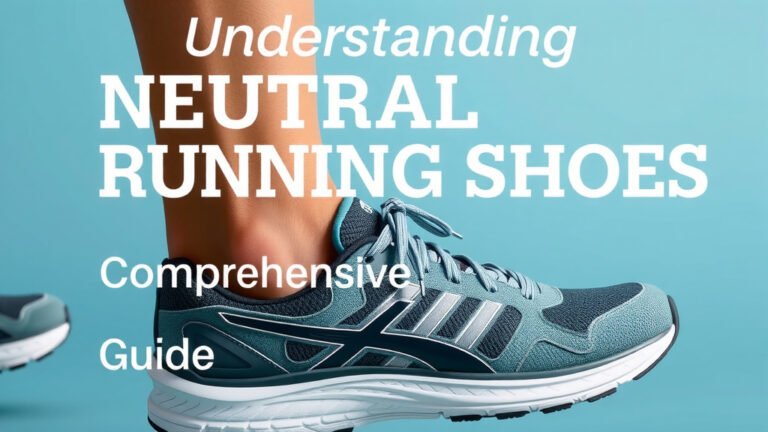
Your foot lands on the outside of the heel and then rolls slightly inward to absorb shock. Most runners fall into this category. You’ll likely do well with a neutral shoe that offers plenty of cushioning.
Overpronation
Your foot rolls inward excessively after landing. This can put extra stress on your feet and knees. You’ll probably benefit from a stability shoe with added support features on the medial (inner) side.
Supination (Underpronation)
Your foot doesn’t roll inward enough, or even rolls outward. This can mean less shock absorption. You’ll want highly cushioned shoes, often neutral ones, to help mitigate the impact.
What to Look For in the Midsole and Upper
Beyond the outsole and overall support, the other parts of the shoe matter too.
Midsole Materials: The Heart of Cushioning
The midsole is where most of the cushioning magic happens. Common materials include EVA (ethylene vinyl acetate) and PU (polyurethane). EVA is lighter and more flexible, offering a softer feel. PU is denser and more durable, providing a firmer ride but lasting longer.
Many modern shoes use proprietary blends of foams. These aim to offer the best of both worlds: plush cushioning with a responsive feel. When you try on shoes, pay attention to how the midsole feels under pressure. Does it compress nicely? Does it spring back?
Upper Construction: Comfort and Breathability
The upper part of the shoe holds your foot in place. For concrete running, you want an upper that is both comfortable and breathable. A mesh material is ideal, allowing air to circulate and keeping your feet cool and dry. This helps prevent blisters and general discomfort on longer runs.
Look for seamless construction in the upper. This reduces the risk of chafing and irritation. A well-padded tongue and collar also contribute to a secure and comfortable fit. Your heel should feel locked in without being squeezed too tightly.
The Fit is Everything: Trying Before You Buy
Even the most technologically advanced shoe won’t work if it doesn’t fit well. Trying on shoes is a non-negotiable step. We found that many runners underestimate the importance of a proper fit.
When to Shop for Shoes
It’s best to shop for running shoes at the end of the day. Your feet swell naturally throughout the day, just like they will when you’re running. This ensures you get a size that accommodates that natural expansion.
The Test Run (Even if it’s Just in the Store)
Don’t just stand there! Walk around the store, jog in place, or even ask if you can do a quick jog on a treadmill if they have one. Pay attention to any pressure points or rubbing. Your toes should have about a thumb’s width of space between the longest toe and the end of the shoe.
Sock Choice Matters
Always try on shoes with the type of socks you typically run in. Running socks are often thicker than everyday socks, and this can significantly change the fit of the shoe. We recommend bringing your favorite running socks along.
Quick Checklist for Your Next Shoe Purchase
Here’s a quick rundown to keep in mind when you’re ready to buy:
- Does it have ample cushioning?
- Is the outsole durable?
- Does it feel like the right support for your foot type?
- Is the upper breathable and comfortable?
- Is there enough room in the toe box?
- Do they feel good when you walk and jog?
Conclusion
Choosing the right running shoes for concrete means prioritizing your comfort and joint health. You’ve learned that ample cushioning is your primary defense against impact. A durable outsole ensures your shoes can handle the grind of pavement. Understanding your foot type helps you select the perfect support level. Finally, a proper fit is non-negotiable for happy miles. Now, you’re equipped to make an informed decision. Head to your local running store and put these tips into practice to find your perfect concrete running companions!
Frequently Asked Questions
Do I really need special shoes for running on concrete?
Yes, you absolutely do. Concrete is a hard surface that creates significant impact with every step. Running shoes designed for concrete have extra cushioning and shock absorption to protect your joints from this repetitive stress and help prevent injuries.
How much cushioning is enough for concrete running?
Look for shoes with a thick, responsive midsole. When you press on it, it should feel soft but still provide a bit of bounce. We found that runners often feel a noticeable difference with shoes that offer substantial foam to absorb shock, rather than minimal padding.
How often should I replace running shoes used on concrete?
Running shoes typically last between 300 to 500 miles. However, concrete is abrasive and wears down shoes faster. You might need to replace them sooner, especially if you run on concrete frequently. Pay attention to the outsole’s tread wear and the midsole’s loss of cushioning.
Can I use trail running shoes on concrete?
Generally, it’s not recommended. Trail running shoes are designed for uneven, soft surfaces and often have aggressive treads for grip. They may be too stiff and less cushioned for concrete, potentially leading to discomfort or reduced shock absorption.
What if I have flat feet and run on concrete?
If you have flat feet, you likely overpronate. We recommend looking for stability running shoes. These shoes often have firmer foam on the inner side of the midsole to help control excessive inward rolling and provide the necessary support on hard surfaces.