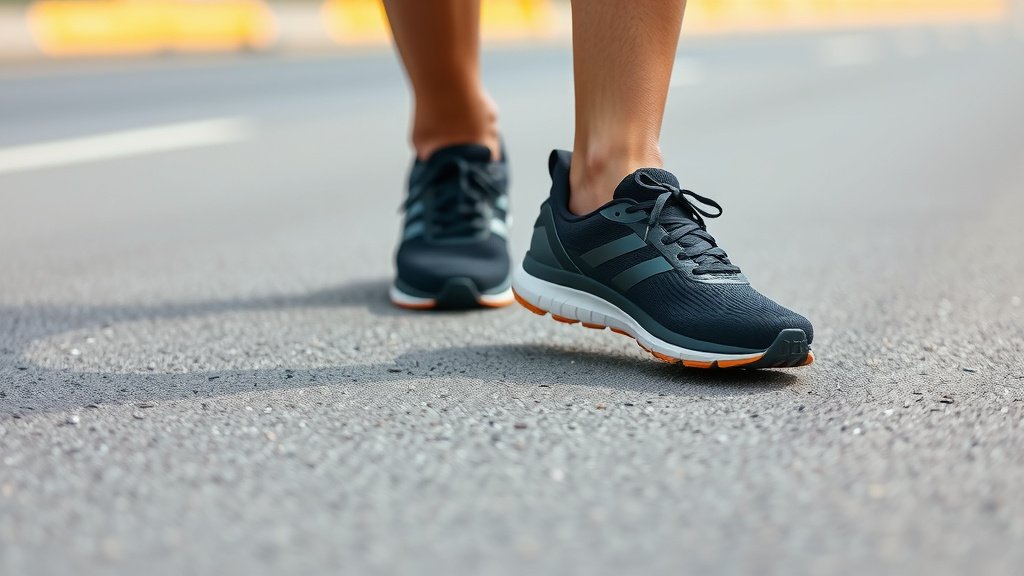
How to Choose Asphalt Running Shoes for Your Stride
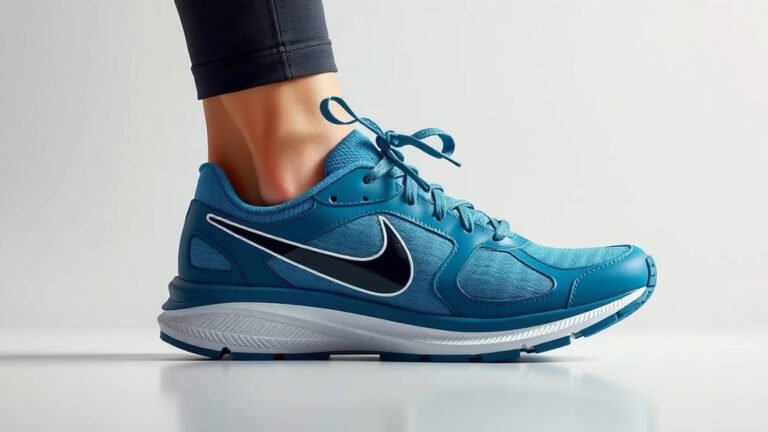
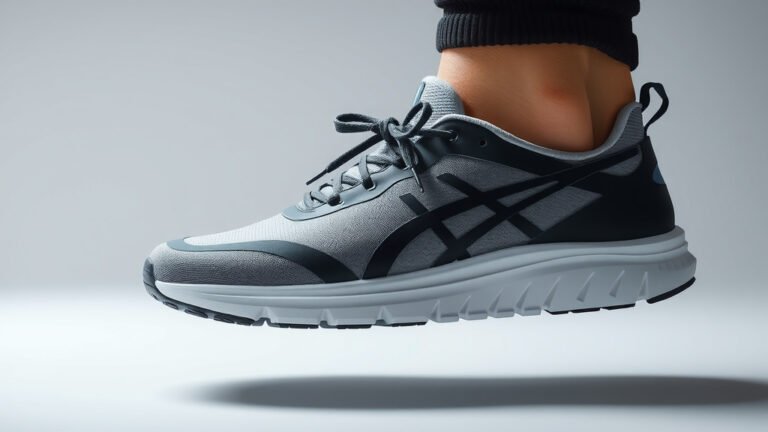
Choosing the right running shoes for asphalt means looking for shoes with good cushioning and durability to handle the hard surface. You want shoes that offer support and help absorb impact to protect your joints. This will make your road runs more comfortable and less taxing on your body.
Asphalt is a tough environment for your feet. The constant pounding can lead to fatigue and injury if your shoes aren’t up to the task. We found that the best road running shoes provide a balance of comfort and protection for your miles. They are designed to withstand the wear and tear of pavement.
- Look for excellent cushioning.
- Prioritize durability for road surfaces.
- Ensure proper support for your foot type.
- Consider breathability for comfort.
- Fit is the most important factor.
Let’s walk through exactly what to look for when picking your next pair of asphalt running shoes.
Finding Your Perfect Asphalt Running Shoes
Choosing the right running shoes for the road is all about finding that sweet spot. You need shoes that can handle the daily grind of pavement. We’ve found that focusing on a few key features makes a huge difference in your comfort and performance. Let’s dive into what you should be looking for.
Understanding Your Foot and Gait
Before you even look at a shoe, understanding your own feet is vital. This helps you pick a shoe that works with your natural stride, not against it. Many running stores offer gait analysis, which is a great way to start.
What is Pronation?
Pronation is how your foot rolls inward when you land. It’s a natural shock absorber. Knowing your pronation type helps you select the right kind of support. We found that understanding this is key to preventing common running injuries.
- Neutral Pronation: Your foot rolls inward a normal amount. Most runners fall into this category.
- Overpronation: Your foot rolls inward excessively. This can sometimes lead to issues like shin splints.
- Supination (Underpronation): Your foot doesn’t roll inward enough, or even rolls outward. This means less shock absorption.
How to Determine Your Foot Arch Type
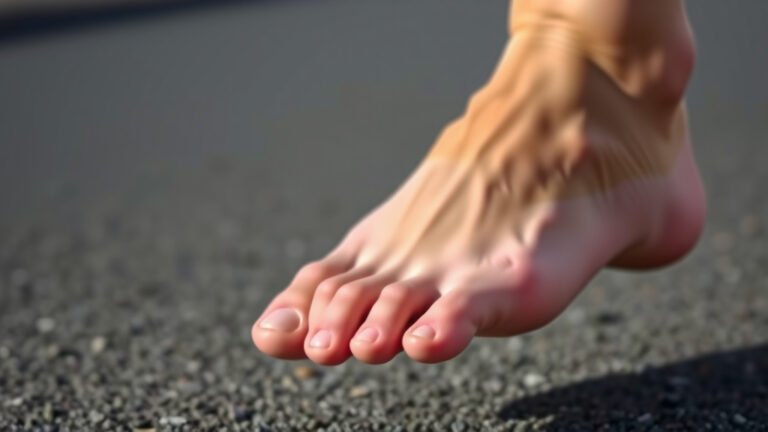
Your arch height plays a role too. A simple “wet test” can give you a good idea. Wet your feet and step onto a piece of paper or a dry surface. Then, look at the footprint you leave behind.
A full footprint with little to no curve suggests a low arch or flat foot. A footprint with a very narrow band connecting the heel and the ball of your foot indicates a high arch. A noticeable curve with a distinct connection to the heel suggests a normal arch.
Matching Shoes to Your Arch and Gait
Based on your pronation and arch type, you can start narrowing down shoe categories. This isn’t a hard and fast rule, but a helpful guideline. Many running shoe brands design models specifically for different needs.
| Foot Type/Gait | Recommended Shoe Type | Key Features |
|---|---|---|
| Neutral Pronation / Normal Arch | Neutral Shoes | Good cushioning, flexibility |
| Overpronation / Flat Feet | Stability Shoes | Medial support, firm midsole |
| Supination / High Arch | Neutral Shoes (often with extra cushioning) | Plush cushioning, flexibility |
Prioritizing Cushioning for Asphalt
Asphalt is a hard surface. Your shoes need to help absorb the impact with every step. Good cushioning protects your joints and reduces fatigue over longer distances. We found that runners who prioritize cushioning often report fewer aches and pains.
Types of Cushioning
Cushioning can vary greatly. Some shoes have a firm, responsive feel, while others are incredibly soft and plush. Think about what feels best for your body and your running style.
Responsive vs. Plush Cushioning
Responsive cushioning offers a bit of energy return with each stride. It feels springy. Plush cushioning, on the other hand, feels very soft and forgiving. For road running, a balance is often ideal. You want enough softness to absorb impact but not so much that the shoe feels mushy or unstable.
Durability on the Road
Roads are tough on shoes. The constant friction and impact can wear down outsoles quickly. You’ll want shoes that are built to last and can handle miles of pavement pounding.
Outsole Material and Design
Look for outsoles made from durable rubber compounds. Brands often use carbon rubber in high-wear areas for extra longevity. The tread pattern also matters. Deeper, more aggressive treads might wear faster on pavement compared to smoother, flatter designs. We found that shoes with strategically placed rubber are often more durable.
Upper Construction for Longevity
The upper part of the shoe (the part that covers your foot) should also be durable. Look for engineered mesh or reinforced materials that can withstand rubbing and stretching. A well-constructed upper will help your shoes last longer and maintain their shape.
The All-Important Fit
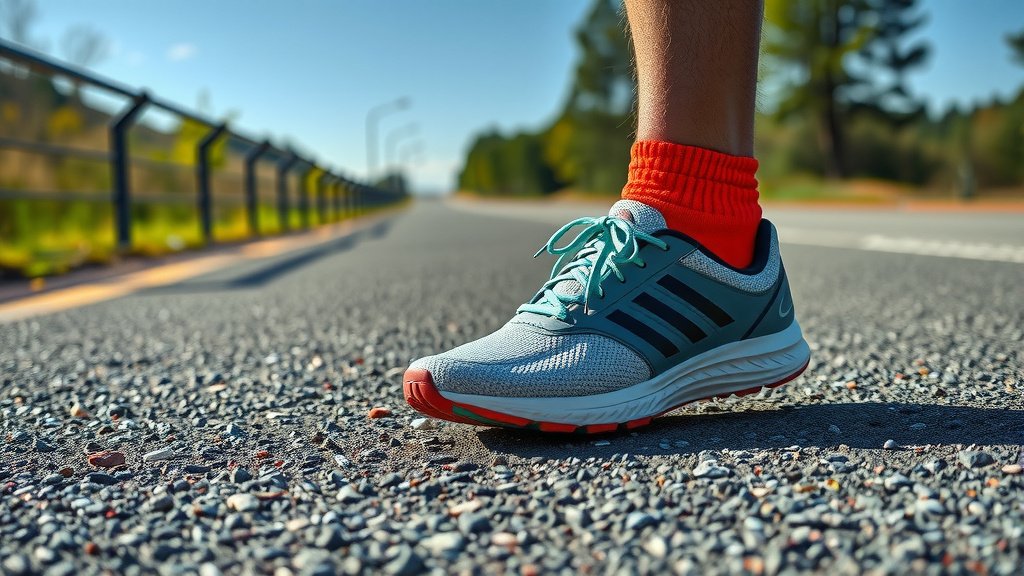
No matter how great the cushioning or durability, a poor fit will ruin your runs. Your shoes should feel comfortable from the moment you try them on. We can’t stress this enough: **fit is king**.
Trying Shoes On Correctly
Always try shoes on at the end of the day, when your feet are slightly swollen. Wear the type of socks you normally run in. There should be about a thumb’s width of space between your longest toe and the front of the shoe.
Key Fit Checks
Your heel should feel secure and not slip when you walk or jog. The midfoot should feel snug but not tight. You shouldn’t feel any pinching or hot spots. Many experts recommend walking around the store for a few minutes to get a feel for the shoes.
Breathability and Comfort Features
Your feet generate a lot of heat when you run, especially on warm asphalt. Good breathability helps keep your feet cool and dry, preventing blisters and discomfort. We found that mesh uppers are generally the most breathable.
Sockliner and Lacing System
Some shoes offer removable sockliners, which can be helpful if you use custom orthotics. The lacing system should allow you to get a secure and comfortable fit. Experiment with different lacing techniques if you find pressure points.
Your Road Shoe Checklist
Here’s a quick rundown to help you remember the key points when you shop:
- Check your pronation and arch type.
- Look for ample cushioning.
- Inspect the outsole for durability.
- Ensure a secure, comfortable fit.
- Prioritize breathable upper materials.
- Consider the shoe’s weight and feel.
Conclusion
You’ve got the rundown on picking the perfect asphalt running shoes! Remember to understand your unique foot type and gait first. Then, prioritize cushioning to absorb impact and look for durable construction to withstand the road. Most importantly, ensure a perfect fit – it makes all the difference for comfort and injury prevention.
Your next step? Head to a reputable running store. Try on several pairs, paying close attention to how they feel on your feet. This investment in the right shoes will make your road miles much more enjoyable!
Frequently Asked Questions
Do I really need special shoes for running on asphalt?
Yes, you do. Asphalt is a hard surface that creates a lot of impact on your joints. Shoes designed for road running offer the cushioning and support needed to absorb this shock, reducing fatigue and the risk of injury compared to using casual sneakers.
How often should I replace my asphalt running shoes?
Generally, you should look to replace your running shoes every 300-500 miles. You might notice the cushioning feeling less responsive, the outsole showing significant wear, or experiencing new aches and pains. Keeping track of your mileage can help you stay on schedule.
Can I use trail running shoes on the road?
It’s not ideal. Trail running shoes have aggressive outsoles for grip on uneven terrain, which can wear down quickly on asphalt. They also often have less cushioning for road impact and can feel heavier and less flexible on pavement.
What’s the difference between stability and neutral running shoes for asphalt?
Neutral shoes are best for runners with a neutral gait who don’t overpronate. Stability shoes offer extra support, like a firmer midsole on the inside, to help control overpronation. Your foot’s natural motion and arch type usually guide this choice.
How important is the weight of an asphalt running shoe?
While not the top priority, shoe weight can matter, especially for longer runs or speedwork. Lighter shoes can feel more agile and less taxing over distance. However, don’t sacrifice cushioning or fit for a lighter shoe, as comfort and injury prevention come first.