
Master Your Foot Strike: A Runner’s Guide
Yes, you can change your foot strike to run more efficiently and potentially reduce injury risk. Most runners can transition to a midfoot strike by focusing on landing your foot directly beneath your body. This simple adjustment helps you absorb impact better.
Changing how your foot hits the ground is a common goal for many runners looking to improve their form. Research shows that altering your foot strike can lead to a more natural running cadence. It’s about retraining your body’s natural response.
- Focus on landing your foot underneath your hips.
- Aim for a quicker cadence, around 170-180 steps per minute.
- Gradually introduce changes to avoid injury.
- Listen to your body during the transition.
Ready to make the switch? Let’s walk through exactly how to change your foot strike step by step.
So, you’re looking to tweak your running stride? That’s awesome! Most runners can shift their foot strike to be more of a midfoot strike. This means your foot lands more flatly, right under your body. It’s a super effective way to help your body handle impact better. Let’s get you on the path to a more efficient and possibly injury-free run.
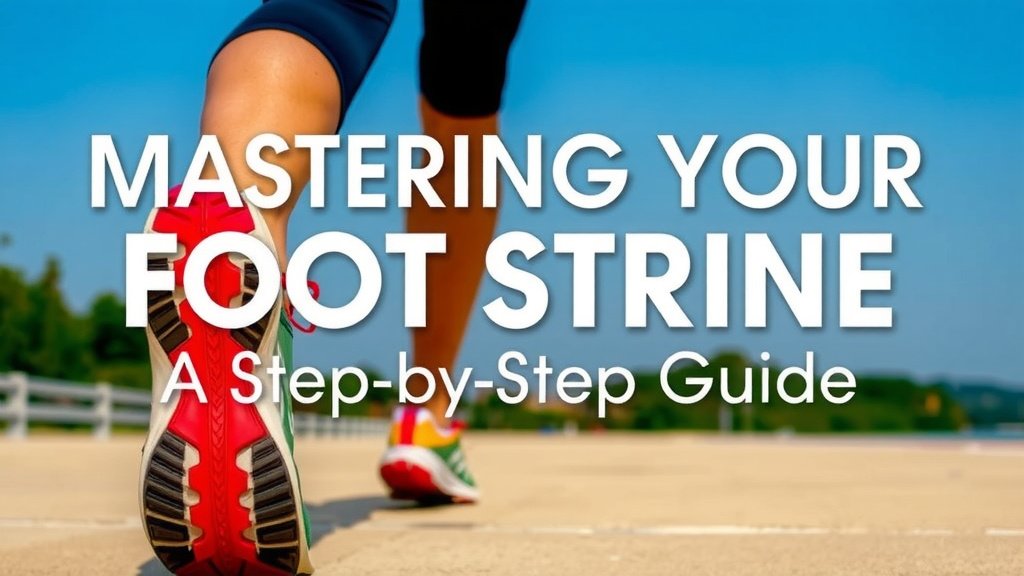
Mastering Your Foot Strike: A Step-by-Step Guide
Changing your foot strike is all about retraining your body’s natural reaction. Think of it like learning to ride a bike again, but for your feet. It takes a little practice, but the results can be fantastic. You’ll likely find your runs feel smoother and less jarring.
Understanding the Basics: Heel vs. Midfoot Strike
Let’s break down what we’re aiming for. A heel strike is when your heel hits the ground first. This is super common! It can send shockwaves up your leg. A midfoot strike is when the middle of your foot lands first. This allows your foot and ankle to act as natural shock absorbers. Many experts suggest a midfoot strike can lead to better energy return.
Why Make the Change?
You might be wondering if it’s truly worth it. Research has shown that changing your foot strike can lead to a more efficient gait. This doesn’t just feel good; it can also help your body withstand the pounding of running. Many runners report less knee pain and shin splints after making this adjustment (NCBI).
The Goal: Landing Under Your Hips
The golden rule here is simple: aim to land your foot directly underneath your hips. When your foot lands out in front of you, you’re essentially braking with every step. This is a classic sign of a heavy heel strike. By bringing your foot closer to your body on landing, you allow your muscles and joints to do their job effectively.
Practical Steps to Change Your Foot Strike
Alright, enough theory. Let’s get to the doing! Changing your foot strike isn’t an overnight fix. It requires patience and consistent effort. Think of it as a slow, steady marathon, not a sprint.
1. Focus on Cadence First
One of the best ways to encourage a midfoot strike is to increase your running cadence. Cadence is simply the number of steps you take per minute. Many runners naturally fall into a cadence of around 160-170 steps per minute. Aiming for 170-180 steps per minute can really help. This quicker cadence encourages your feet to land more underneath you.
- Use a metronome app on your phone.
- Listen to music with a beat in your target range.
- Practice quick, short strides when you first start.
2. Feel the “Quiet Foot”
Imagine you’re trying to tiptoe quietly. You don’t want to stomp your feet. Try to make your foot landing as light and quiet as possible. If you hear a loud slap with each step, you’re likely overstriding and heel striking. This “quiet foot” technique often naturally leads to a midfoot landing.
3. Shorten Your Stride (Slightly!)
This goes hand-in-hand with increasing cadence. If your foot is landing far in front of you, it’s a sign your stride is too long. You want to feel like you’re almost “running under yourself.” Imagine your feet are like the wheels of a bicycle, turning quickly beneath your body. You don’t need to take tiny, shuffling steps, but avoid reaching out too far.
Introducing the Change: Gradual Implementation
This is where the magic, and potential for frustration, happens. You can’t just go out and try to force a new foot strike for your entire run. Your body needs time to adapt. Here’s how to do it safely.
Start Small: The Walk-Run Method
Begin by practicing your new foot strike during short intervals within your runs. For example, run for 1 minute focusing on a midfoot strike, then run normally for 2-3 minutes. As you get more comfortable, gradually increase the time you spend focusing on your new stride.
Consider “Drills” or Warm-ups
Before your main run, do some dynamic drills. High knees, butt kicks, and even some short, fast strides focusing on landing softly can prepare your body. This is like giving your feet a little heads-up about what you’re asking them to do. Many coaches recommend these drills to improve running form.
Common Pitfalls and How to Avoid Them
Even with the best intentions, you might encounter a few bumps in the road. Let’s talk about what they are and how to navigate them.
1. Too Much, Too Soon
This is the biggest culprit for injuries when changing your foot strike. Suddenly forcing a new landing pattern can overload your calves, Achilles tendon, or the balls of your feet. If you feel sharp pain, back off immediately. Listen to your body; it’s giving you important signals.
2. Landing on Your Toes (Forefoot Strike)
While we’re aiming for midfoot, some runners overcorrect and land on their toes (forefoot strike). This can put a lot of strain on your calf muscles and Achilles tendon. You want a balanced landing, not just your toes hitting the ground first. Think of landing on the *middle* of your foot.
3. Overthinking and “Trying Too Hard”
Running should feel natural. If you’re constantly thinking, “Is my foot landing right? Is it too loud?” you might actually be making it worse. Focus on the feeling of landing lightly and underneath you. The cadence and stride length cues are often more effective than trying to consciously control your foot’s exact point of contact.
Listen to Your Body: The Ultimate Guide
Your body is your best teacher. Pay attention to how it feels during and after your runs. A little soreness as your muscles adapt is normal. However, sharp or persistent pain is a sign to stop and reassess. You might need to slow down the transition or consult with a physical therapist or running coach.
A Checklist for Your Transition
Here’s a quick rundown to keep you on track:
- Gradually increase your cadence.
- Focus on landing your feet under your hips.
- Practice short bursts of midfoot striking.
- Keep your foot landings light and quiet.
- If you feel sharp pain, stop and rest.
- Be patient; this change takes time.
Conclusion
Changing your foot strike is a journey, not a destination. By focusing on landing your feet beneath your hips and increasing your cadence, you’re well on your way to a more efficient stride. Remember to introduce these changes gradually, listening closely to your body throughout the process. Patience and consistency are your greatest allies here. Your next step is to lace up your shoes and put these techniques into practice during your next run. You’ve got this!
Frequently Asked Questions
How long does it take to change my foot strike?
Changing your foot strike can take several weeks to a few months. It’s a gradual process of retraining your body’s natural movements. Be patient with yourself and focus on consistency rather than speed.
Will changing my foot strike make me faster?
While the primary goal is often injury prevention and efficiency, a more efficient stride can indirectly lead to faster running. By reducing wasted energy and improving impact absorption, you might find you have more power to sustain a quicker pace.
Can I still run with a heel strike?
Yes, many runners successfully log miles with a heel strike. However, research suggests a midfoot strike can offer better shock absorption and energy return, potentially reducing the risk of certain running-related injuries. It’s about finding what works best and feels best for your body.
What if I feel pain in my calves after trying to change my strike?
Calf pain is a common sign of overcorrection, especially if you’re landing too much on your toes (forefoot strike). Ensure you’re aiming for the middle of your foot and take a break from drills if the pain persists. Gradual progression is key to avoiding this.
Should I see a running coach or physical therapist?
If you’re experiencing persistent pain or are struggling to make the transition, consulting a professional is a great idea. A running coach or physical therapist can assess your form and provide personalized guidance to help you change your foot strike safely and effectively.