Choosing Running Shoes After Foot Surgery: A Guide
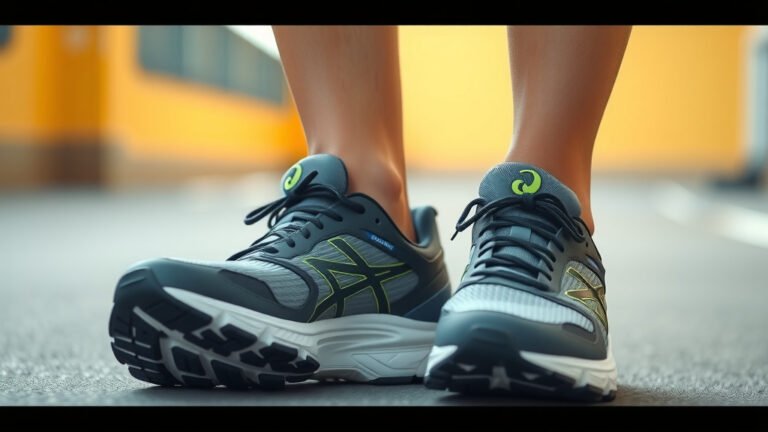
Choosing the right running shoes after foot surgery means prioritizing support and comfort. You’ll want shoes with excellent cushioning and a stable base to protect your healing foot. Look for options that offer a neutral or stability fit, depending on your surgeon’s advice.
Finding the perfect pair is key to a smooth return to running. It’s not just about picking a brand. You need to consider how the shoe feels on your unique foot and how it supports your gait. Many experts suggest consulting with a podiatrist or physical therapist for personalized recommendations.
TL;DR:
- Prioritize cushioning and stability.
- Consult your doctor or therapist.
- Try shoes on before buying.
- Look for a good fit and feel.
- Don’t rush the decision.
Ready to find your perfect post-surgery running partners? Let’s dive into the details to help you make an informed choice.
“`htmlPicking the Right Running Shoes After Foot Surgery
Getting back into running after foot surgery is a big step. Your choice of running shoes plays a starring role. Think of them as your foot’s new best friends. They need to be supportive and gentle. We found that focusing on a few key features can make all the difference.
Consultation is Key: Your Doctor Knows Best
Before you even look at a shoe, have a chat with your doctor or physical therapist. They know your specific surgery and healing process. They can give you personalized advice. This is probably the most important first step. It’s like getting a map before a hike.
Your medical professional might recommend specific types of support. They may also advise on what to avoid. They can tell you if you need a neutral shoe or one with more stability. This advice is gold!
Understanding Your Foot Type and Gait
Your foot’s natural shape and how you walk or run matter a lot. Are you flat-footed? Do you have a high arch? Does your foot roll inward or outward when you run? Knowing this helps you pick the right kind of shoe.
Neutral vs. Stability Shoes
Generally, shoes fall into two main categories for runners: neutral and stability. Neutral shoes are for people with normal arches and a pretty even gait. They offer cushioning and flexibility. They don’t try to correct your foot’s natural motion.
Stability shoes are designed for those who overpronate. This means their foot rolls inward too much. These shoes have features to help control that motion. They offer more support, especially in the arch area. Your doctor can help you figure out which category is best for you.
Cushioning: A Soft Landing for Your Foot
After surgery, your foot might be more sensitive. You’ll want shoes with plenty of cushioning. This helps absorb impact. It reduces stress on your foot and joints. Think of it like running on clouds rather than concrete.
Different brands offer various levels of cushioning. Some are super plush, while others are firmer. For post-surgery recovery, leaning towards more cushioning is often a good idea. We found that many runners return to comfort first.
Fit and Feel: The Ultimate Test Drive
This is where the rubber meets the road, literally! Even the best-reviewed shoe won’t work if it doesn’t feel right on your foot. Proper fit is non-negotiable. Your toes should have room to wiggle. There shouldn’t be any pinching or rubbing.
Trying Them On Properly
When you go to try on shoes, wear the socks you plan to run in. Do this later in the day. Your feet naturally swell a bit as the day goes on. This will give you a more accurate fit. Walk around in the store. Jog in place if you can. Pay attention to how your foot feels inside the shoe.
Heel slippage is a no-go. Your heel should feel secure. The arch support should feel comfortable, not intrusive. Does the shoe bend where your foot naturally bends? That’s usually around the ball of your foot.
Consider Arch Support and Width
Some shoes have built-in arch support. Others rely on insoles. If you have specific arch needs, look for shoes that accommodate them. Many running shoe brands also offer different width options. A shoe that’s too narrow or too wide can cause problems.
Key Shoe Features to Look For
Let’s break down the specific features that will help your healing foot:
- Rocker Sole: Some shoes have a gently curved sole. This helps to roll your foot forward as you walk or run. It can reduce the amount of work your foot has to do. This can be very helpful after certain foot surgeries.
- Heel Counter: This is the rigid part at the back of the shoe. A good heel counter helps stabilize your heel. It prevents excess movement.
- Flexibility (in the right place): While you want support, the shoe should also flex. It needs to bend naturally with your foot. Too stiff a shoe can feel awkward.
- Breathable Upper: Good airflow keeps your feet cool and dry. This helps prevent blisters and discomfort. Mesh uppers are common for this reason.
A Simple Checklist for Your Shoe Shopping Trip
Here’s a quick rundown to keep you on track:
- Doctor’s Orders: Did you get guidance from your medical team?
- Fit: Is there enough room in the toe box? Does your heel feel secure?
- Feel: Does the shoe feel comfortable right away? No pinching or rubbing?
- Support: Does it feel like it’s supporting your arch and heel properly?
- Cushioning: Does the cushioning feel adequate for your needs?
- Gait Type: Does the shoe match your recommended neutral or stability needs?
When to Seek Professional Help for Fitting
Don’t be afraid to ask for help at a specialty running store. The staff there are often trained to help you find the right shoe. They can watch you walk or run. They can also measure your feet accurately. This is a fantastic resource, especially after surgery.
They can explain the differences between various brands and models. They can also talk about what might work best for your recovering foot. It’s an investment in your comfort and your running future.
“`
Conclusion
Choosing the right running shoes after foot surgery is a crucial part of your recovery journey. Remember to prioritize support, cushioning, and a proper fit. Always start by consulting your doctor or physical therapist for personalized advice. Then, pay close attention to how shoes feel on your foot, looking for features like a secure heel counter and appropriate arch support. Take your time, try on multiple options, and don’t hesitate to seek help from professionals at a specialty running store. Your goal is to find a shoe that supports your healing and makes your return to running comfortable and safe.
Frequently Asked Questions
How soon after foot surgery can I start trying on running shoes?
You should wait until your doctor or physical therapist gives you the go-ahead. They will assess your healing progress and determine when it’s appropriate to start introducing new footwear. Don’t rush this step; your medical team’s guidance is essential.
Can I use my old running shoes if they were supportive?
It’s generally not recommended to use your old running shoes right after surgery. Shoes wear down over time, losing their cushioning and support. Your foot’s needs may have also changed post-surgery, requiring a fresh start with updated features.
What if my foot is still swollen after surgery?
If you still experience swelling, it’s best to try on shoes later in the day when your feet are naturally larger. You might also consider looking for shoes with more adjustable closures, like laces or Velcro straps, to accommodate fluctuating swelling. Discuss this with your doctor.
Are custom orthotics necessary after foot surgery?
Your surgeon or podiatrist will advise if custom orthotics are needed for your specific situation. Some individuals may benefit from them for extra support and alignment, while others might find a well-fitting running shoe sufficient. This is a decision best made with professional medical input.
What if a shoe feels a little tight in the store but is otherwise perfect?
Even a slight tightness can become a major problem during a run. It’s best to avoid shoes that aren’t comfortable right away. Look for shoes that offer a comfortable fit from the start. Many running shoe brands offer different width options, which might be a better solution than forcing a tight shoe.