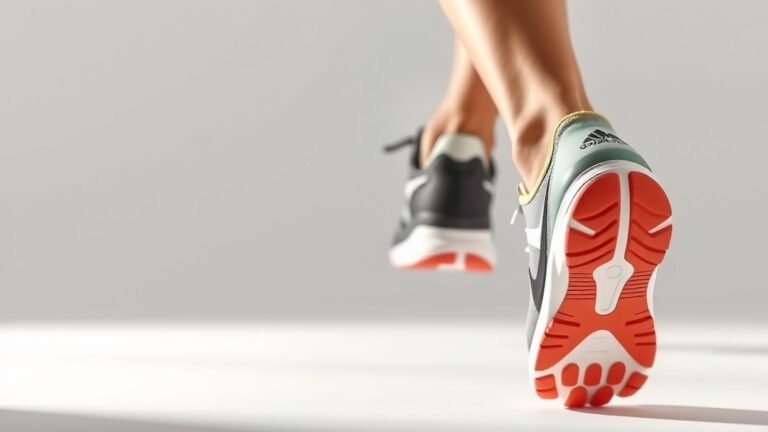

Prevent Running Arch Pain: Expert Tips
Preventing arch pain when running is all about focusing on your foot strength, finding the right shoes, and listening to your body. You can significantly reduce discomfort by strengthening the muscles in your feet and by wearing supportive footwear that fits well. Many runners find relief by incorporating simple exercises into their routine and avoiding sudden increases in mileage.
Dealing with arch pain can really put a damper on your running goals. We found that consistent attention to proper form and avoiding overtraining are key factors. Many experts also point to the importance of rest and recovery when you start to feel that familiar ache creeping in.
- Strengthen your foot muscles regularly.
- Choose running shoes with good arch support.
- Gradually increase your running distance and intensity.
- Don’t ignore early signs of pain.
- Allow for adequate rest and recovery.
Ready to keep those arches happy mile after mile? Let’s walk through exactly how to do that.
Keeping Your Arches Happy on the Run
Arch pain can turn your favorite miles into a source of dread. You might wonder why it happens and what you can do to stop it. We found that addressing arch pain often comes down to a few key areas: strengthening your feet, choosing the right gear, and being smart about how you train.
Strengthening Your Feet for the Long Haul
Your feet are more complex than you might think. They have a lot of small muscles working together to support your arch. When these muscles get weak, your arch can start to sag and feel the strain, especially when you’re running.
Foot Strengthening Exercises
Regularly doing exercises designed to target your foot muscles can make a big difference. Think of it like doing bicep curls for your arms; you need to work out those foot muscles to build them up.
Towel Curls
This is a simple exercise you can do almost anywhere. Place a towel flat on the floor. Sit in a chair with your feet flat on the towel. Use your toes to scrunch the towel towards you. Repeat this for a few minutes, aiming for 10-15 repetitions per foot. This helps build strength in the muscles that help support your arch.
Marble Pickups
Another great exercise involves picking up small objects with your toes. Scatter about 10-20 marbles on the floor. Sit down and pick them up one by one using only your toes, placing them in a bowl. This really challenges your toe dexterity and arch control. Do this a couple of times a week.
Calf Raises
Don’t forget your calves! Strong calf muscles are important for your running stride and can indirectly help support your arch. Stand with your feet flat and raise up onto the balls of your feet, holding for a second at the top. Slowly lower back down. Aim for 2-3 sets of 15-20 repetitions. Many runners overlook this, but it’s a vital part of foot and ankle health (American Academy of Orthopaedic Surgeons).
Stretching for Flexibility
Tight calf muscles can pull on your heel bone, which can stress your arch. Regular stretching can help relieve this tension.
Downward-Facing Dog (Yoga Pose)
This popular yoga pose is excellent for stretching your calves and the entire back of your legs. Start on your hands and knees, then lift your hips up and back, forming an inverted V shape with your body. Press your heels towards the floor. Hold for 30 seconds and repeat a few times.
Seated Calf Stretch
Sit on the floor with your legs extended in front of you. Loop a towel or resistance band around the ball of one foot. Gently pull your toes towards your shin, keeping your knee straight. You should feel a stretch in your calf. Hold for 30 seconds per leg, and repeat a few times.
Choosing the Right Running Shoes
Your running shoes are like your personal support system for your feet. Wearing the wrong kind can cause all sorts of problems, including arch pain. It’s worth the effort to find shoes that work for your feet.
Understanding Arch Support
There are different types of arches: high arches, neutral arches, and flat feet. Your shoes should complement your foot type, not fight against it. For example, if you have flat feet, you’ll likely need shoes with more stability and arch support.
What to Look for in Running Shoes
When you’re shopping for running shoes, pay attention to the cushioning and the structure of the shoe. A shoe that’s too flexible might not offer enough support. We found that shoes with a firmer midsole and good heel counter tend to offer better support for the arch.
Try Before You Buy
Always try on running shoes before you purchase them, preferably later in the day when your feet are a bit swollen. Walk around the store, and if possible, jog a bit. Do they feel comfortable? Is there any pinching or rubbing? Your feet should feel supported and cushioned.
Consider Your Foot Strike
How your foot lands when you run (your foot strike) can also influence the type of shoe you need. If you’re unsure about your foot strike or arch type, consider visiting a specialty running store. They often have staff who can analyze your gait and recommend suitable shoes.
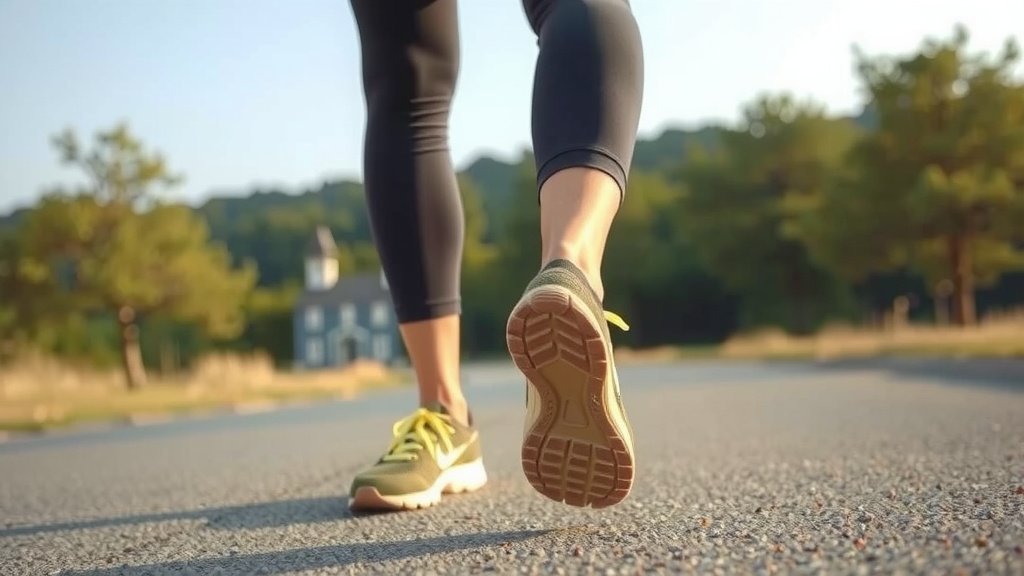
Smart Training Strategies to Prevent Pain
Sometimes, arch pain isn’t about your feet or your shoes; it’s about how you’re training. Pushing too hard, too soon, can overwhelm your body’s ability to adapt.
Gradual Progression is Key
This is one of the most important rules for any runner. Whether you’re increasing your mileage or the intensity of your runs, do it slowly. A common guideline is the “10% rule,” which suggests not increasing your weekly mileage by more than 10% week over week. This allows your muscles, bones, and connective tissues time to adjust and get stronger. Jumping up too quickly is a recipe for injury, including arch pain (CDC).
Listen to Your Body’s Signals
Pain is your body’s way of telling you something is wrong. If you start to feel even a twinge of arch pain, don’t just push through it. It’s a sign that you need to slow down or take a break. Ignoring early warning signs can lead to more severe injuries that take much longer to heal.
Incorporate Rest and Recovery
Rest days are not lazy days; they are essential for muscle repair and growth. Your body gets stronger when it’s recovering, not just when you’re actively exercising. Ensure you have at least one or two complete rest days each week. Active recovery, like gentle walking or swimming, can also be beneficial on rest days.
Warm-Up and Cool-Down Routines
Before you run, spend 5-10 minutes warming up. This can include light jogging, dynamic stretches like leg swings, and some of the foot strengthening exercises mentioned earlier. After your run, cool down with static stretches, holding each stretch for about 30 seconds. This helps your muscles relax and can prevent tightness.
A Quick Checklist for Happy Running Arches
Ready to put this into practice? Keep this simple checklist handy:
- Do your foot-strengthening exercises 2-3 times a week.
- Make sure your running shoes have good arch support and fit well.
- Never increase your weekly mileage by more than 10%.
- Pay attention to any aches or pains – don’t ignore them.
- Include at least one full rest day in your weekly schedule.
- Always warm up before running and cool down afterward.
Conclusion
Keeping your arches happy while running is totally achievable. It boils down to treating your feet well with targeted exercises and proper footwear. Remember, listening to your body is your best guide; don’t push through pain. By consistently strengthening your feet, choosing supportive shoes, and training smart with gradual increases and plenty of rest, you’re setting yourself up for miles of comfortable running. So, lace up those supportive shoes and put these tips into practice for pain-free miles ahead!
Frequently Asked Questions
What are the best exercises for arch pain prevention?
Exercises like towel curls and marble pickups directly strengthen the small muscles supporting your arch. Calf raises and stretches such as downward-facing dog also play a role by improving overall leg and ankle flexibility. Aim to incorporate these a few times a week to build resilience.
How often should I replace my running shoes to prevent arch pain?
Most experts recommend replacing running shoes every 300-500 miles. As shoes wear out, they lose their cushioning and support, which can contribute to arch strain. Pay attention to how your shoes feel; if they seem less supportive, it’s probably time for a new pair.
Can stretching my calves help with arch pain?
Yes, tight calf muscles can put extra tension on your feet and arches. Regular calf stretching, like the seated calf stretch or a downward-facing dog, can help alleviate this tension. This can reduce the pull on your heel and subsequently ease stress on your arch.
Is it okay to run through mild arch pain?
It’s generally not recommended to run through any level of arch pain. Even mild discomfort is your body’s signal that something is wrong. Pushing through can turn a minor issue into a more serious injury that requires significant downtime.
What if I have very high arches, how does that affect shoe choice?
Runners with high arches often need shoes that provide extra cushioning and shock absorption. You’ll want to look for neutral shoes with plenty of padding, especially in the midsole. Shoes with less structure might be more comfortable for your foot type, but it’s best to get a gait analysis at a running store.