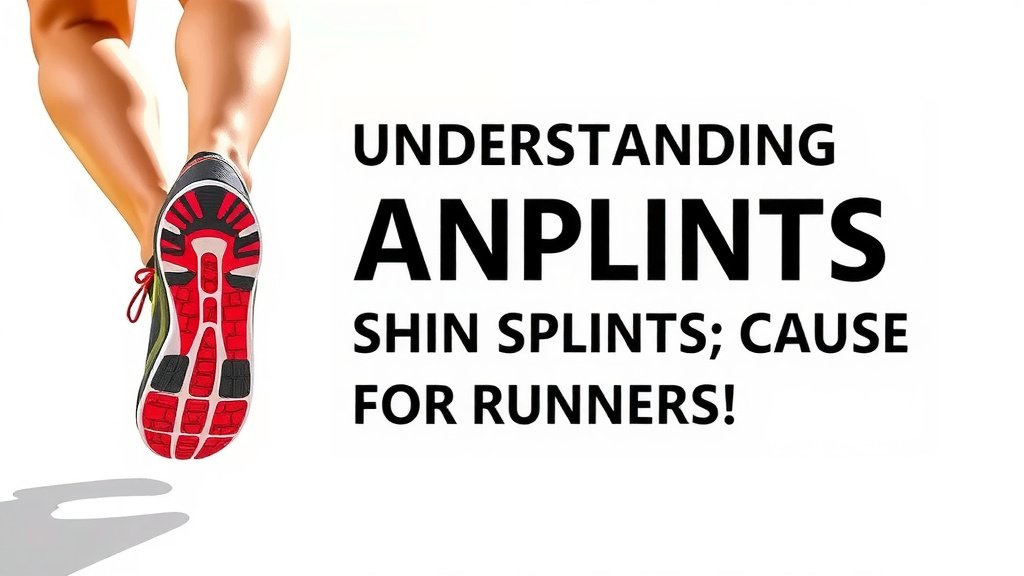
Understanding Shin Splints: Causes for Runners
Shin splints often happen when you push too hard, too fast. It’s your body’s way of saying “whoa there, partner!” Running injuries like shin splints typically occur due to overuse or sudden increases in training intensity. This causes inflammation in the muscles, tendons, and bone tissue around your shin bone.
We found that many runners experience shin splints when they change their running surface or footwear too quickly. Poor biomechanics, like flat feet or tight calf muscles, can also play a big role. Your shins bear a lot of impact, and when that impact is too much, pain can follow.
- Sudden increase in running mileage or intensity
- Running on hard surfaces
- Improper footwear
- Poor running form or biomechanics
- Tight calf muscles
Let’s walk through exactly why those pesky shin splints might be bothering you and what you can do about it.
Common Culprits Behind Your Shin Pain
So, your shins are aching after a run. It’s a common problem, and it’s often your body’s way of signaling that something’s a bit off. Let’s figure out what might be causing that discomfort.
The “Too Much, Too Soon” Syndrome
This is probably the **most frequent reason** runners develop shin splints. Your body, especially your bones and connective tissues, needs time to adapt to stress. When you suddenly ramp up your mileage, speed, or intensity, it doesn’t get that adjustment period. Think of it like asking a new employee to manage a whole department on day one. It’s overwhelming!
Rapid Increases in Training Load
Experts often point to a **sudden jump in mileage** as a major culprit. If you went from running 10 miles a week to 20 miles a week in just a few days, your shins likely didn’t have enough time to strengthen. The American Academy of Orthopaedic Surgeons suggests that adding more than 10% to your weekly mileage can increase injury risk.
Increasing Intensity Too Quickly
It’s not just about distance. Adding speed work, hills, or back-to-back hard runs can also overload your shins. Your muscles and bones need to be conditioned for these higher demands. If they’re not ready, you’ll feel it in your shins.
Your Running Environment Matters
Where and how you run can also contribute to shin splints. It’s not just about your effort, but also the ground beneath your feet.
The Surface Beneath Your Feet
Running on hard surfaces like concrete subjects your legs to **more impact shock** with every step. While asphalt is slightly better, softer surfaces like trails or a well-maintained track can be gentler on your shins. Many studies have indicated that repetitive impact on hard surfaces can stress the tibia, leading to inflammation (NCBI).
Uneven or Sloped Terrain
Constantly running on a sloped road can also cause imbalances. One leg might be taking more of a pounding than the other, leading to overuse in certain muscles and tissues. This uneven stress can create pain.

Your Gear and How You Move
Even your shoes and your natural movement patterns can play a role in shin pain.
Footwear Issues
Are your running shoes past their prime? Old, worn-out shoes lose their cushioning and support. This means **your legs have to absorb more of the impact**, which can stress your shins. The American Physical Therapy Association notes that shoes losing their shock-absorbing qualities can lead to injuries.
The Wrong Type of Shoe
Not all running shoes are created equal. If you’re wearing shoes not designed for your foot type or running style, you might be setting yourself up for trouble. For example, if you have flat feet, you might need shoes with more arch support.
Running Form and Biomechanics
How you run matters more than you might think. Small quirks in your stride can add up to big stress on your shins over time.
Overpronation or Supination
When your foot rolls inward too much (overpronation) or not enough (supination), it can alter the way your lower leg absorbs shock. This can put extra strain on the muscles and bones in your shin area. Many biomechanical analyses highlight this as a key factor.
Weak or Tight Muscles
If your calf muscles are tight, they can’t absorb shock effectively. This forces your shins to take more of the load. Likewise, weak muscles in your feet, ankles, or hips can lead to poor running mechanics, increasing stress on your shins.
Quick Checklist: Are You Doing Too Much?
Let’s see if any of these common causes sound familiar to you. Just check the box if it applies:
- Recently increased your running distance or frequency significantly?
- Added more speed work or intense hill runs?
- Started running on harder surfaces like concrete?
- Worn out your running shoes and not replaced them?
- Felt tightness in your calf muscles after running?
- Noticed your foot rolling inward excessively when you run?
Conclusion
Shin splints can be a real bummer for runners, but understanding their cause is your first step to recovery and prevention. We’ve seen how pushing too hard, too fast, your running environment, and even your gear can all contribute to that familiar ache. Your body is communicating; listen to it! Don’t let shin splints sideline you permanently. The key is to make smart adjustments to your training and your habits. Your next run should be about moving forward, pain-free.
Frequently Asked Questions
Can I run through shin splints?
It’s generally not recommended to run through shin splint pain. Pushing through the pain can worsen the inflammation and potentially lead to more serious injuries like stress fractures. Rest and appropriate treatment are usually the best first steps.
How can I prevent shin splints from coming back?
Prevention involves a gradual increase in training, proper footwear, strengthening your lower leg and foot muscles, and paying attention to your running form. Listening to your body and not ignoring early signs of pain is also key.
Does changing running surfaces help shin splints?
Yes, varying your running surface can help. If you’re consistently running on hard surfaces like concrete, try incorporating softer trails or tracks. This reduces the repetitive impact on your shins.
Are my running shoes the real culprit?
Worn-out running shoes definitely contribute to shin splints because they lose their cushioning and support. If your shoes have over 300-500 miles on them, it’s likely time for a new pair. The wrong type of shoe for your foot can also be an issue.
What specific exercises can strengthen my shins and calves?
Exercises like calf raises, toe taps (lifting your toes while keeping your heels on the ground), and resistance band exercises for ankle flexion and extension can help strengthen the muscles around your shins and calves, improving shock absorption.