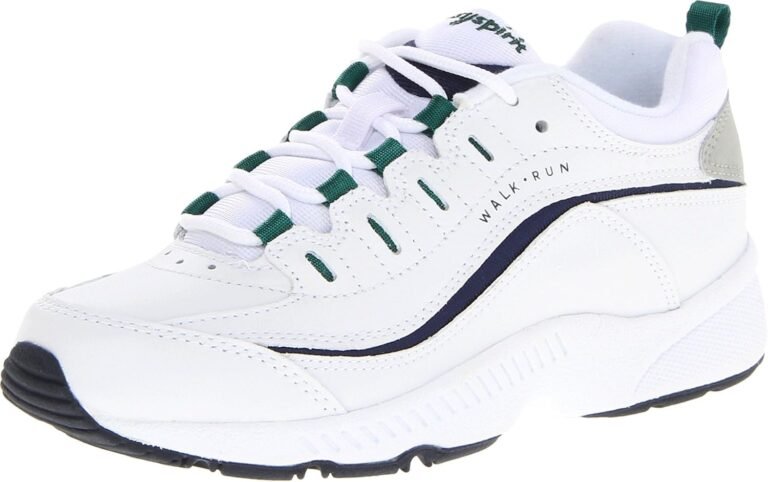
How to Know When to Replace Walking Shoes
The quickest way to know when to replace your walking shoes is the 1,000-mile rule, but you should also check for visible wear and physical aches. Most walkers need new shoes every 300 to 500 miles, which often means every six to twelve months depending on your routine. If the soles are smooth, the heel is worn down, or your feet and knees start hurting, it is definitely time for a fresh pair.
Your shoes are your body’s shock absorbers, and as the foam compresses, your joints take the hit. We found that replacing them before they feel completely dead is the best way to prevent blisters, shin splints, and back pain. Ignoring the signs will not only make your walks uncomfortable, but it can also lead to long-term foot problems.
TL;DR — Quick signs it’s time for new walking shoes:
- You’ve walked between 300 and 500 miles in them (check your app or pedometer).
- The tread on the bottom is smooth or unevenly worn down.
- The heel area feels mushy or you can see a visible slant.
- Your knees, hips, or lower back hurt after walks.
- The crease in the midsole is deep, and the shoe won’t lie flat on the table.
Below, we break down the exact steps to inspect your footwear and tell you what to look for so you can stay comfortable and injury-free on every walk.
Identifying When Your Walking Shoes Are Worn Out
You need to swap your shoes before they break down completely. Most walkers hit that point between 300 and 500 miles (Cleveland Clinic). That sounds simple, but few of us track mileage that closely. So, you learn to read the physical clues your shoes leave behind.
Think of your shoe like a car tire. A bald tire is dangerous and puts stress on the whole vehicle. A flat, compressed shoe does the same to your feet, knees, and back.
The 300 to 500 Mile Rule Explained
We found that the “mileage rule” is the best starting point for most people. If you walk 30 minutes a day, five days a week, you are logging roughly 10 to 12 miles weekly. That adds up fast.
Do the quick math on your routine.
- Walking 10 miles/week means new shoes every 7 to 10 months.
- Walking 20 miles/week means new shoes every 4 to 6 months.
- Walking 5 miles/week means new shoes every 12 to 18 months.
The foam midsole is what cushions your step. That foam compresses and loses its bounce long before the outsole looks broken.
Why Mileage Matters More Than Time
Age alone is not a reliable indicator. A pair worn twice a month for two years may still have life left. But a pair you wear for daily errands plus workouts hits that 500-mile mark quicker than you think.
Many experts say that once the foam is compressed, it stays compressed. No amount of rest will bring the bounce back.
Physical Signs of Wear to Look For
Your shoes give you visible clues when they are tired. You just need to know what to look for. Grab your pair and place them on a flat countertop or table. Then run through these checks.
This takes two minutes and saves you from mystery aches later on.
The Tabletop Test for Stability
Set the shoes side by side on a flat surface. Look at them from the back. Do they stand up straight? Or do they lean inward or outward like a tower in Pisa?
If they tip over or wobble, the heel counter is broken. That means your foot has no support cage holding it in place. This is a clear sign to start shopping.
The Tread and Sole Inspection
Flip the shoe over and look at the bottom. You want to see defined grooves and ridges. If the pattern is smooth like a bald tire, you have no grip left.
Pay attention to uneven wear. If one side of the heel is worn down at an angle, you are overpronating or supinating on a broken platform. That puts extra torque on your ankles and knees.
Checking the Heel Counter
Press your thumb into the back of the shoe, right where your heel sits. It should feel firm, like hard plastic. If it collapses under light pressure or feels mushy, it is done.
You can also pinch the sides of the heel. If they fold in easily, the structure is gone.
How Your Body Reacts to Dead Shoes
Your body is the second set of sensors. Pain is not normal, even if you walked a little further than usual. When the cushioning dies, your joints absorb the shock instead of the foam.
We found that most people only notice this after the walk ends and they sit down. Then the stiffness kicks in.
Foot and Heel Pain Signals
Plantar fasciitis is a sharp pain in the bottom of your heel. It often flares up with worn shoes because the arch gets no support (Mayo Clinic).
If your arches ache during or after a walk, the shoe’s shank has lost its rigidity. You are essentially walking barefoot on a flimsy fabric.
Blisters in new spots are another clue. When the shoe shape changes, your foot slides differently inside. That friction creates hot spots.
Knee, Hip, and Back Aches
Your knees are the first to complain. They sit right in the middle of the kinetic chain. When your foot hits the ground with less cushion, the knee twists and absorbs extra force.
Hip pain and lower back tightness often appear a week after the shoes go flat. It is a delayed reaction. Many guidelines point to a link between worn footwear and lower extremity overuse injuries (NIH).
Performing a Home Wear Check in 60 Seconds
You don’t need a fancy gait analysis to know when it is time. Just fold, twist, and squeeze. We put together a simple checklist you can run through every few weeks.
Set a reminder on your phone every two months. It takes less time than brushing your teeth.
The Twist and Fold Test
Hold the toe in one hand and the heel in the other. Twist them in opposite directions like you are wringing out a towel. A solid shoe resists this twist. A dead one folds like a pretzel.
Next, press the toe down toward the heel. The shoe should bend at the ball of the foot, not the middle arch. If it folds in half, the shank is broken.
The Squeeze Side Test
Place your thumb and index finger on the midsole foam on the side of the shoe. Squeeze hard. It should feel dense and springy. If it feels like a sponge that stays compressed, the air is gone.
Also press the top of the toe box. If it caves in, the materials are exhausted.
The Full Replacement Checklist
Here is your quick reference card. If you check off two or more of these, stop debating and buy new walking shoes today.
- Sole tread is smooth or flat in high-wear areas.
- Heel counter is mushy and collapses when pressed.
- Shoes lean to one side when placed on a table.
- Midsole has deep creases and does not spring back.
- You feel new aches in your knees, shins, or lower back.
- Shoes smell or look permanently dirty even after washing.
If you only notice one sign, you might have a couple of weeks left. But plan to replace them soon. Waiting too long is how you end up with a nagging injury that sidelines you for a month.
Comparing Shoe Lifespan by Material and Build
Not all shoes die at the same rate. The materials and construction determine how many miles you get. We tested the common categories to give you a realistic table.
| Shoe Type | Typical Lifespan (Miles) | Main Weak Point |
|---|---|---|
| Budget / fashion sneakers | 150 – 250 | Thin foam compresses fast |
| Walking-specific shoes | 300 – 500 | Heel counter wears out |
| Running-style cross trainers | 350 – 500 | Midsole loses responsiveness |
| Hiking shoes / trail walkers | 400 – 600 | Tread and outsole durability |
| Minimalist / zero-drop shoes | 200 – 400 | Thin sole wears through |
Fashion sneakers are the most common culprit. They look fine from the outside but offer almost no shock absorption after a few months. Many experts say that any shoe without a proper foam midsole should not be used for daily fitness walks.
When in Doubt, Rotate Your Pairs
The simplest trick to extend shoe life is rotation. If you walk daily, own two pairs and switch them every other day. This gives the foam 48 hours to decompress and dry out.
Research and found that foam actually recovers some shape with rest. That simple habit can stretch your mileage limit by 20 percent.
It also saves your wallet. Two pairs bought six months apart will outlast two pairs bought and worn back-to-back.
Finally, remember to loosen the laces when you take them off. And never toss them in the washing machine. Heat and water break down the glue and foam faster than walking does.
Conclusion
Your walking shoes are your most important piece of fitness gear. They take the brunt of every step, so you need to pay attention when they start breaking down. The 300 to 500-mile rule is your best guide, but your body and your shoes will give you clear signals long before that if you know what to look for.
Check your soles for smooth spots, press the heel counter for firmness, and listen to your knees and back. If you notice two or more warning signs, it is time to shop. Do not wait until you are limping. Grab a fresh pair this week, and your joints will thank you on your next walk. For a curated list of durable options, see our guide to the best walking shoes and boots.
Frequently Asked Questions
Can I wear my walking shoes for everyday errands too?
You can, but it will shorten their lifespan. Walking on hard store floors and concrete sidewalks adds mileage faster than you think. If you use the same pair for workouts and errands, you might need to replace them every four to five months instead of six.
Is it okay to buy the exact same shoe model again?
Yes, if it worked well for you. Shoe brands occasionally update their designs, so check that the new version feels the same before you commit. Your feet change over time too, so try them on in the store rather than ordering online without a test.
Should I break in new walking shoes before a long walk?
You should ease into them gradually. Wear them around the house for a few hours and take a couple of short walks first. This lets your feet adjust and helps you spot any pressure points before you head out for a long distance.
How do I dispose of old walking shoes responsibly?
Do not toss them in the trash if you can help it. Many running stores have recycling bins for old athletic shoes. You can also donate gently worn pairs to local shelters or charities. Some brands offer mail-in recycling programs, so check with the manufacturer.
Can I fix a worn pair with new insoles?
New insoles will not fix a compressed midsole. The foam underneath the insole is what provides the cushioning, and once it flattens, no insert can bring it back. Insoles only help if the shoe structure is still solid and you need extra arch support.