When to Replace Running Shoes: Key Signs of Wear to Watch
Most running shoes should be replaced every 300 to 500 miles. That’s roughly every 4 to 6 months if you run 20 miles a week. Some shoes wear out faster, and some last a bit longer, but that range is the sweet spot most experts agree on.
Why does this matter? Worn-out shoes lose their cushioning and support, even when they still look fine on the outside. That’s when aches in your knees, hips, and shins start creeping in. Nobody wants an injury that could have been avoided with a simple shoe swap.
- 300 to 500 miles is the general replacement window for running shoes.
- Sole flattening and midsole creasing are early warning signs.
- New aches and pains after runs often point to dead shoes.
- Tracking your miles is the easiest way to know when it’s time.
So how do you actually tell when your shoes are done? Below, we break down everything you need to know about replacing worn running shoes, from warning signs to simple tips for making your next pair last longer.
Knowing When to Retire Your Running Shoes
The honest answer? Your shoes are done when the cushioning dies, not when they look old. The midsole — the squishy foam between the upper and the outsole — is the heart of the shoe. Once it stops bouncing back, your joints absorb the shock instead.
Think of it like a mattress. You can flip it, air it out, and pretend it’s fine. But your back knows the truth. Your knees and shins know it too.
The Mileage Rules for Different Types of Runners
Not everyone wears out shoes at the same speed. Your body weight, foot strike, and running surface all play a role. Here’s a rough guide we put together based on what many running experts and shoe manufacturers suggest.
| Runner Type | Typical Shoe Lifespan | Notes |
|---|---|---|
| Light runner (under 150 lbs) | 400–500 miles | Foam compresses more slowly |
| Average runner (150–180 lbs) | 300–450 miles | The standard replacement window |
| Heavier runner (over 180 lbs) | 250–400 miles | More force means faster breakdown |
| Trail runners | 300–450 miles | Rocks and dirt chew up outsoles faster |
Why You Can’t Trust the Calendar Alone
Maybe you only run twice a month. Your shoes could sit in the closet for two years and still have plenty of miles left. On the flip side, wearing them for daily errands racks up hidden miles fast.
Here’s something many runners miss: foam degrades even while sitting still. Research on midsole materials, including studies indexed by the NCBI, shows that cushioning foams break down from repeated compression over time — not just from use. Oxidation and drying play a part too.
So track miles, not months. A cheap running app or a note on your phone works great.
Warning Signs Your Running Shoes Are Worn Out
Your shoes will usually tell you before your body does. You just have to know where to look.
Check the Outsole First
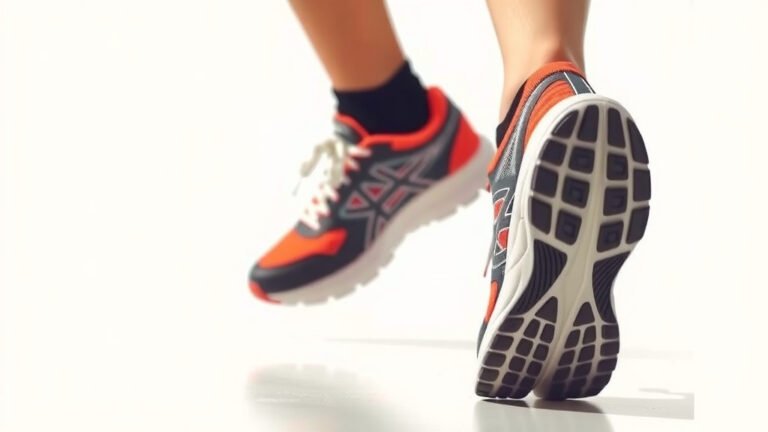
Flip the shoe over. The rubber outsole is your shoe’s tire tread. Bald spots mean you’re losing traction, especially on wet roads.
Uneven wear patterns matter too. If the outside edge of one shoe is chewed up way more than the other, your gait might be pushing that area harder. That’s worth mentioning to a running store or a physical therapist.
Feel the Midsole for Dead Spots
Press your thumb into the midsole. Fresh foam pushes back. Dead foam feels hard, flat, or hollow — like pressing on stale bread.
Look for wrinkles or creases along the side of the midsole. Those lines are compression marks. Lots of creasing usually means the foam is done absorbing shock.
Listen to Your Body
Sometimes the shoes fail quietly. The first clue shows up in your legs instead. Many experts say new or worsening shin splints, knee aches, or hip pain are classic signs of worn cushioning (Cleveland Clinic).
Ask yourself: do your legs feel more beat up than usual after the same runs? Do your feet feel closer to the ground than they used to? Both point to dead foam.
The Lean Test
Place your shoes on a flat table at eye level. Look at them from behind. If they tilt or lean to one side, the midsole has collapsed unevenly. Time for a new pair.
How to Track Your Shoe Mileage the Easy Way
You don’t need a spreadsheet and a calculator. Pick one simple method and stick with it.
- Write the date on the shoe tongue with a permanent marker when you buy them.
- Use a running app that lets you log gear and automatically counts shoe miles.
- Do quick math: 20 miles a week means new shoes roughly every 4 to 6 months.
- Keep a spare pair in rotation so you’re never stuck mid-training.
- Set a phone reminder around the 300-mile mark to check for wear signs.
- Retire them from running at 500 miles, even if they still look decent.
We found that the “two-pair rotation” trick is a favorite among experienced runners. Alternating pairs gives the foam about 24 to 48 hours to decompress between runs, which may help both pairs last longer.
Should You Keep Old Shoes for Walking?
Most of the time, yes — with limits. Retired running shoes work fine for yard work, walking the dog, or mowing the lawn. The tread might be worn, but they’re still comfortable.
What you shouldn’t do is keep running in them. Running puts roughly two to three times your body weight of force on each foot with every stride, according to sports medicine sources. Dead foam can’t handle that load, and your joints pay the price.
Be honest with yourself, though. If the shoes are falling apart at the seams or smell like a science experiment, donate or toss them. There’s no glory in hoarding footwear.

Signs It’s Time Sooner Than You Think
Some situations call for an early retirement, even before 300 miles.
- Sudden hot spots or blisters in places that never rubbed before.
- Numb or tingling toes, which can mean the midsole has shifted or collapsed.
- Visible holes in the upper letting in dirt and water.
- A lopsided feel, like one shoe sits lower than the other.
- Lingering soreness that fades when you run in a different pair.
That last one is the clincher. If you borrow a friend’s shoes or wear your old gym pair and suddenly feel bouncy and pain-free, your running shoes have given you their answer.
Trust the signs, swap the shoes, and your knees will quietly thank you on every run.
Conclusion
Replacing your running shoes doesn’t have to be a guessing game. We’ve covered the 300 to 500 mile rule, the warning signs like creased midsoles and new aches, and simple ways to track your mileage without any hassle. Your shoes will usually show wear before your body starts complaining — you just need to check.
Here’s our final tip: tonight, flip your current pair over and press your thumb into the midsole. Check the tread. Look for creases. That 30-second inspection tells you more than any calendar ever will. Then mark the purchase date on your next pair, or log them in a running app. A small habit now can save you months of frustration and a trip to the physical therapist later.
Frequently Asked Questions
Can I wash my running shoes to make them last longer?
Washing keeps them looking fresh, but it won’t extend the life of the foam. In fact, machine washing and heat drying can break down the midsole faster. If you must clean them, hand wash with mild soap and let them air dry away from direct sunlight.
Do running shoes expire if I never wear them?
Yes, slowly. The foam in a shoe’s midsole can degrade over time even in a box, as materials dry out and lose their bounce. Most experts suggest replacing shoes that have been sitting unused for several years, even if they look brand new.
How many miles do walking shoes last compared to running shoes?
Walking shoes generally last longer, often 500 to 1,000 miles, because walking puts less impact force on the foam. That’s exactly why retired running shoes can work well for walking. Running compresses the cushioning much harder with every stride.
Is it okay to run in shoes that are over a year old?
It depends on the miles, not the age. If you only ran a couple hundred miles in them and they still pass the midsole and tread checks, they’re likely fine. If they’ve logged 400 miles or show creasing and flat spots, it’s time to move on.
Should I replace my running shoes all at once or rotate pairs?
Many runners we found swear by rotation. Alternating two pairs gives each midsole a day or two to decompress between runs, and it makes the transition to new shoes easier. You can also buy a new pair before the old one fully dies and gradually phase them in.