Choosing Men’s Running Shoes: A Comprehensive Guide
Choosing the right running shoes for men starts with understanding your foot type and running style. Look for shoes that offer the right amount of cushioning and support for your specific needs to prevent injuries and boost performance.
Finding the perfect pair can feel like a marathon in itself. But don’t worry, we’ve done the research to make it simpler. It’s all about matching the shoe’s features to how your foot moves and the surfaces you run on. We found that the best shoes help you feel comfortable and confident with every stride.
- Know your foot arch type (flat, normal, high).
- Consider your pronation (how your foot rolls inward).
- Think about the type of running you do (trail, road, treadmill).
- Prioritize comfort and proper fit above all else.
- Don’t be afraid to try them on and walk around.
Let’s walk through exactly how to find the best running shoes for your feet, step by step.
Finding Your Perfect Running Shoe Match
Picking the right running shoes can feel like a big decision. But honestly, it’s mostly about understanding your feet and how you run. We found that the biggest difference comes from matching the shoe to your unique stride and the surfaces you’ll be pounding. Let’s break it down.
Understanding Your Foot and Gait
Before you even look at a shoe, it’s smart to know a bit about your own feet. This helps you narrow down the options considerably. It’s not about being an expert, just about being aware.
Your Arch Type Matters
When your foot is wet, step onto a piece of paper or a dry surface. Look at the imprint left behind. This can tell you about your arch type.
- Flat Arch (Low Arch): Your entire foot might leave a complete imprint. This means your foot likely rolls inward quite a bit when you run, which is called overpronation.
- Normal Arch (Medium Arch): You’ll see about half of your arch in the imprint. This is the most common foot type and usually means you have a balanced stride.
- High Arch: You’ll see mostly your heel and the ball of your foot, with very little in the middle. This often means your foot doesn’t roll inward enough (underpronation or supination).
Pronation: How Your Foot Rolls
Pronation is simply how your foot rolls inward after it hits the ground. It’s a natural shock absorption mechanism. Your arch type often gives a clue to your pronation pattern.
Overpronation
This is common with flat arches. Your foot rolls inward excessively. This can put extra stress on your inner ankle and shins. Shoes designed to control this movement are called motion control or stability shoes.
Neutral Pronation
This is typical for normal arches. Your foot rolls inward a healthy amount to absorb shock. Most runners fall into this category. You’ll likely do well in neutral shoes.
Supination (Underpronation)
This is common with high arches. Your foot doesn’t roll inward enough, or even rolls outward. The impact isn’t distributed well, often leading to stress on the outer foot and shins. You’ll want shoes with plenty of cushioning to help absorb shock.
Considering Your Running Surfaces
Where you run plays a big role in the type of shoe you’ll need. The ground beneath your feet has different demands.
Road Running
If your runs are mostly on pavement, sidewalks, or hard, even surfaces, you’ll want shoes built for shock absorption. These often have thicker midsoles and good cushioning. They are designed to handle the repetitive impact of hard surfaces.
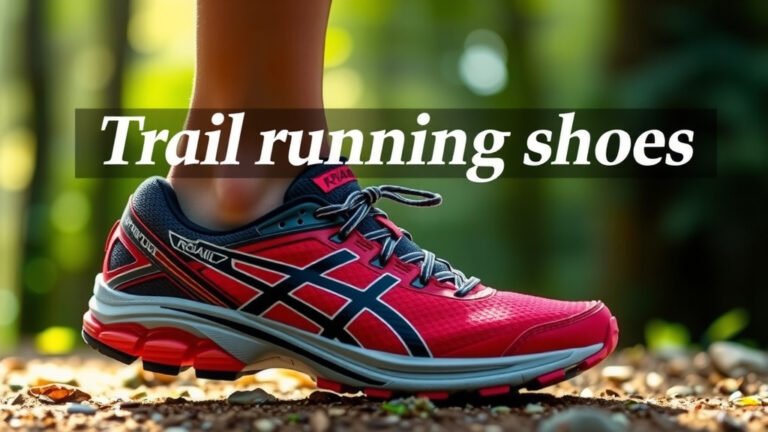
Trail Running
Hitting the dirt paths, gravel roads, or rocky terrain? Trail running shoes are your best bet. They offer more aggressive tread for grip, better protection from rocks and roots, and more durable uppers. We found they provide the stability needed for uneven ground.
Treadmill and Track Running
These surfaces are softer and more predictable. You might get away with lighter, more flexible shoes. Some runners even prefer road running shoes on a treadmill. Track running often calls for specialized spikes, but for general use, lighter trainers work well.
Key Features to Look For
Now that you know a bit about your feet and where you run, let’s talk about what makes a running shoe tick. These are the things that directly affect comfort and performance.
Cushioning Level
This refers to how much shock-absorbing material is in the midsole of the shoe. It’s a personal preference, but also tied to your pronation and running surface. Some people love a plush, soft feel, while others prefer a firmer, more responsive ride.
Maximalist Cushioning
These shoes have a lot of cushioning, offering supreme comfort and shock absorption. They are great for long runs or for runners who want extra protection.
Moderate Cushioning
A good balance for many runners. They offer enough cushion for comfort without feeling overly soft or unstable.
Minimalist Cushioning
These shoes have very little cushioning, promoting a more natural foot strike. They require a gradual transition and are best for experienced runners or those focusing on form.
Support and Stability
This relates back to pronation. Shoes are categorized by how much they help control your foot’s motion.
Neutral Shoes
These have no special support features. They allow your foot to move naturally and are best for neutral pronators and supinators. We found they often have excellent cushioning.
Stability Shoes
Designed for mild to moderate overpronators. They incorporate features like guide rails or medial posts to gently guide the foot and prevent excessive inward rolling. Many experts suggest these for overpronators.
Motion Control Shoes
For severe overpronators. These are the most rigid and offer maximum support to limit excessive pronation. They are typically heavier but provide excellent control.
Fit and Comfort: The Non-Negotiables
No matter how advanced the technology, if the shoe doesn’t fit well, it’s the wrong shoe. We can’t stress this enough: comfort is king.
The Right Size
Always try on shoes at the end of the day when your feet are slightly swollen. You should have about a thumb’s width of space between your longest toe and the end of the shoe. Your heel should feel secure, not slippy.
Width Matters
Running shoes come in different widths. If a shoe feels too tight across the ball of your foot, you might need a wider size. Don’t just assume you have to live with discomfort. Many brands offer wide (2E) and extra-wide (4E) options for men.
Trial Run Test
Walk around the store in them. Jog a little if possible. Does anything pinch or rub? Do your feet feel supported? Trust your gut feeling. Many retailers allow returns even after a short wear, so don’t be afraid to test them out.
Weight and Flexibility
Lighter shoes often feel faster, but might offer less cushioning or support. More flexible shoes allow your foot to move more naturally. Consider your priorities: speed, comfort, or a natural feel.
A Quick Checklist for Your Shoe Shopping Trip
Keep this handy when you head to the store:
- Know your arch type (flat, normal, high).
- Understand your pronation (over, neutral, under).
- Consider your main running surface (road, trail, track).
- Prioritize comfort and fit above all else.
- Try them on! Walk and jog a bit.
- Don’t be afraid to ask for help from store staff.
Conclusion
You’ve got this! Choosing the right running shoes for men is all about connecting with your body and your running habits. We’ve walked you through understanding your arches, pronation, and where you hit the pavement. Remember, comfort and a proper fit are your ultimate guides. By focusing on these key elements, you’ll find shoes that support you mile after mile. Now, it’s time to put this knowledge to work.
Your next step is simple: head to a reputable running store. Take your time, try on a few pairs, and trust how they feel. Happy running!
Frequently Asked Questions
What if I can’t tell my arch type from the wet test?
Don’t worry if the wet test isn’t clear. You can also observe your old running shoes. If they are heavily worn on the inside edge, you might be an overpronator with flat feet. Heavy wear on the outside edge suggests supination with high arches. If the wear is fairly even, you likely have a neutral gait.
Can I use trail running shoes for road running?
While you can technically run in trail shoes on the road, it’s not ideal. Trail shoes have aggressive treads for grip on uneven terrain, which can wear down quickly on pavement and feel less comfortable. Road running shoes are designed for smoother surfaces and better shock absorption.
How often should I replace my running shoes?
Most running experts recommend replacing your shoes every 300 to 500 miles. This range can vary based on your weight, running surface, and the shoe’s construction. Pay attention to how your shoes feel; a loss of cushioning or support is a good sign they need replacing.
Do I need different shoes for racing versus training?
Many runners do. Training shoes are built for durability and cushioning for everyday miles, while racing flats are lighter and more responsive for speed. If you’re serious about racing, investing in a pair of racing shoes can offer a performance advantage, but they aren’t necessary for casual runners.
Is it okay to buy running shoes online if I know my size?
If you’ve previously owned a specific model and know it fits you perfectly, buying online can be a good option, especially for deals. However, for new shoes or brands, we strongly advise trying them on in person first. Fit can vary significantly between brands and even models within the same brand.