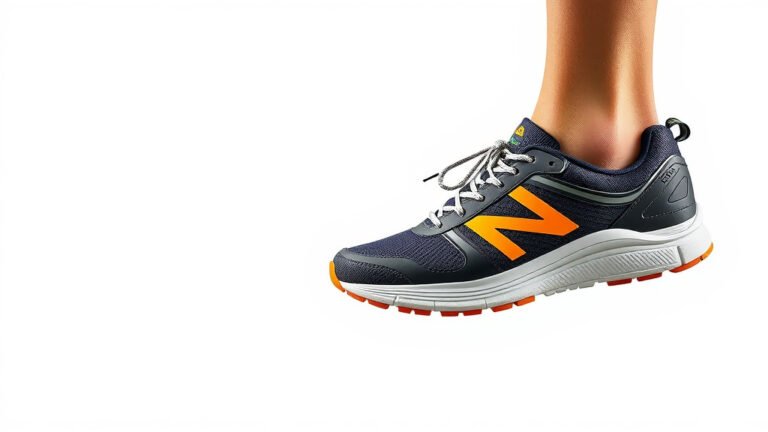
Best Running Shoes for Long Distance: Your 2026 Guide
Choosing the right running shoes for long distances is all about finding a balance between cushioning, support, and comfort. Look for shoes designed for neutral runners if you have a normal arch, or stability shoes if your feet tend to roll inward. The key is a shoe that feels great from mile one to mile twenty.
Long runs put extra stress on your feet and legs. That’s why proper footwear is so important for preventing injuries and maintaining your stride. We found that the best long-distance shoes offer a responsive feel without being too rigid, giving you energy return with every step. They should also have enough room in the toe box to accommodate slight swelling. Choosing ultra running shoes is all about finding the perfect blend of cushioning, durability, and comfort for long distances.
- Prioritize cushioning and comfort.
- Match shoe type (neutral/stability) to your foot arch.
- Consider breathability and a secure fit.
- Don’t forget to test them on a short run first.
Let’s walk through exactly how to pick the perfect pair for your longest runs.
Finding the Perfect Running Shoes for Your Long Miles
Picking the right running shoes for your long runs is a big deal. It can be the difference between a great training day and a painful one. We found that the key is to focus on shoes that offer a good mix of cushioning, support, and overall comfort. You want something that feels good mile after mile.
Understanding Your Foot Type and Gait
Before you even look at shoes, it helps to know how your foot moves when you run. This is called your gait. It affects the kind of support you need. Many runners have what’s called a neutral gait. This means your foot lands and rolls in a fairly balanced way.
Neutral vs. Stability Shoes
If you have a neutral gait, you’ll likely do well in neutral running shoes. These shoes offer cushioning without a lot of extra support features. They let your foot move naturally. If your foot tends to roll inward too much when you land, this is called overpronation. In this case, you might benefit from stability running shoes. These have added features to help control that inward roll. Many experts say this can help prevent injuries.
How to Check Your Foot Type
A simple way to check your foot type is the “wet test.” Get your feet wet and then step onto a piece of paper. Look at the footprint you leave behind. A full footprint might mean you have flat feet and may pronate more. A very thin or no connection between the heel and toe suggests a high arch. A normal arch usually has a visible curve.
Key Features for Long-Distance Running Shoes
Long runs require shoes that can handle the repetitive impact. We found that certain features really stand out for endurance running.
Cushioning That Lasts
When you run long distances, your feet take a beating. You need shoes with plenty of cushioning to absorb shock. Think of it like giving your feet a soft landing every time. But, you don’t want it to be so soft that it feels mushy and slow. Many runners look for a responsive cushioning. This means it feels soft but also gives a little bounce back.
The Right Amount of Support
Even if you have a neutral gait, your feet can get tired on long runs. This can sometimes lead to a bit of inward rolling. So, even neutral runners might find a shoe with a bit of gentle support helpful. Stability shoes offer more structured support. Your choice depends on how your foot behaves over time.
A Comfortable and Secure Fit
This might sound obvious, but a snug fit is vital. Your toes should have room to wiggle. This is because your feet can swell a bit during long runs. You don’t want your toes jamming into the front of the shoe. The heel should feel locked in, not slipping. A shoe that’s too tight or too loose can cause blisters and discomfort.
Breathability Matters
Your feet can get hot and sweaty on long runs. Shoes with breathable uppers help with air circulation. This keeps your feet cooler and drier. It can make a big difference in preventing blisters and keeping you comfortable.
What to Look for in Shoe Construction
The way a shoe is built plays a big role in how it feels. There are a few parts of the shoe to pay attention to.
Midsole Technology
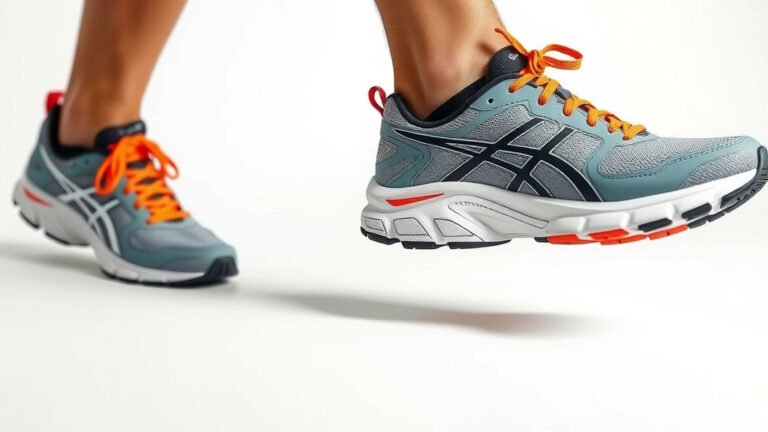
The midsole is where most of the cushioning lives. Brands use different foams and technologies here. Some are designed for softness, others for energy return. For long distances, a balance is often best. You want enough shock absorption without feeling like you’re running on sponges.
Outsole Durability
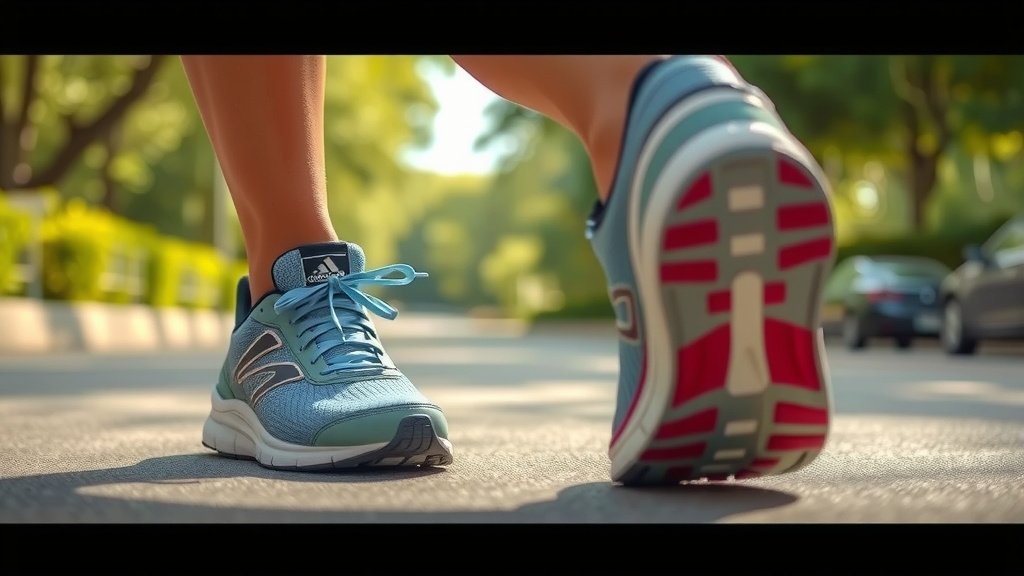
The outsole is the bottom part of the shoe that touches the ground. It provides traction and durability. For long runs, you want an outsole that can withstand many miles. Look for durable rubber. Some shoes have different types of rubber in high-wear areas.
Trying Before You Buy: The Shoe Test
Shopping for running shoes online can be tricky. We found that trying them on is often the best way to know if a shoe is right for you.
The In-Store Experience
When you go to a running store, ask for help. Tell them you’re looking for shoes for long-distance running. They might watch you walk or run briefly. This helps them assess your gait. Try on a few different models and brands. Don’t just stand in them. Walk around the store. Jog a bit if you can.
Test Them on a Short Run
Some running stores will let you take the shoes for a short jog outside. If you can, do it! This is the best way to feel how they perform. A shoe might feel good standing still but different when you’re actually moving. Even a short 5-10 minute run can tell you a lot.
Consider the “Feel”
Ultimately, the best shoe is the one that feels best on your feet. Trust your gut feeling. If a shoe feels off, even if it’s recommended, it might not be the right one for you. Comfort is king for long-distance running.
A Quick Checklist for Your Next Pair
Here’s a handy checklist to keep in mind:
- Does it feel comfortable right away?
- Is there enough room in the toe box?
- Does your heel feel secure, with no slipping?
- Is the cushioning supportive but not too soft?
- Do you like the overall feel when you jog?
- Are the materials breathable?
Conclusion
You’ve learned that choosing the right long-distance running shoes comes down to personal fit and understanding your gait. Prioritizing cushioning, support that matches your foot type, and a secure, comfortable fit is key. Don’t forget breathability for those longer efforts. Remember, the best shoe is the one that feels fantastic on your feet after many miles. Your next step is to visit a specialty running store, share your needs, and trust your feel during a short test run.
Frequently Asked Questions
How often should I replace my long-distance running shoes?
For long-distance running, your shoes typically need replacing every 300-500 miles. Pay attention to signs like worn-out tread or reduced cushioning. The midsole foam can compress over time, diminishing its shock-absorbing abilities.
Can I use the same shoes for speedwork and long runs?
While you can, it’s often best to have separate shoes. Long-distance shoes prioritize cushioning and comfort for sustained efforts. Speedwork shoes are usually lighter and more responsive for faster paces. Using dedicated shoes can help them last longer and perform better for each activity.
What if my feet swell a lot during long runs?
If your feet swell significantly, look for shoes with a more accommodating toe box. Some brands offer wider widths, which can provide that extra space. Ensure the lacing system allows for adjustments to ease pressure as your feet expand.
Does the weight of the shoe matter for long distances?
Yes, shoe weight can matter. While you want adequate cushioning, excessively heavy shoes can increase fatigue over many miles. Many long-distance runners aim for a balance, finding shoes that offer good protection without feeling cumbersome.
How important is the outsole’s grip for long runs?
A good outsole grip is important for traction and stability on various surfaces. While you don’t need aggressive lugs like a trail shoe, you want a durable rubber that provides reliable contact with the road. This helps prevent slips and ensures consistent stride mechanics.