What Is A Heel Counter And Why It Matters For Your Shoes
The heel counter is the stiff, cup-shaped piece of material found inside the back of your shoe. Its main job is to support your heel and ankle, helping to keep your foot stable as you walk or run. Think of it as the backbone of your shoe’s rear end.
When we talk about shoe anatomy, the heel counter plays a really important role. It prevents your heel from sliding around and can even help reduce foot fatigue. Many shoe designs, from athletic sneakers to dress shoes, include this supportive element.
- The heel counter is the supportive cup in the back of your shoe.
- It holds your heel in place and helps with stability.
- This part of the shoe is key for comfort and injury prevention.
- You can find heel counters in almost all types of footwear.
We’ve gathered what you need to know about this often-overlooked shoe component. Let’s get into the details of what a heel counter is and why it matters for your feet.
Understanding Your Shoe’s Heel Support
The heel counter is a key component in your footwear. It’s that firm, structured cup nestled inside the back of your shoe. Its primary mission is to cradle your heel and provide essential support. This structure helps keep your foot properly aligned.
When you walk, run, or stand, your heel bears a lot of weight. A good heel counter prevents excessive side-to-side movement. This stability is vital for comfortable and safe movement. Think of it as a tiny guardian for your heel.
What Exactly Is a Heel Counter and How Does It Work?
We know a heel counter supports your heel. But how does it actually achieve this? It’s a piece of stiff material, often plastic, leather, or sturdy synthetic fabric. This material is molded into a cup shape. It sits between the shoe’s lining and the outer material at the heel.
This cup design wraps around the back of your heel. It acts like a gentle hug for your heel bone. This hug keeps your heel from sliding up and down. It also limits excessive rolling inward or outward. This controlled movement is what we call pronation and supination control.
The Materials Behind the Support
You might be curious about what makes a heel counter so stiff. Different shoes use different materials. These choices affect the shoe’s overall feel and support level. It’s a balance between flexibility and firmness.
Many athletic shoes use durable plastics or stiffened synthetic meshes. These materials offer good support without adding too much weight. Dress shoes often use firm leather or structured synthetic materials. These provide a more formal look while still offering support.
Plastic Inserts
Plastic heel counters are very common. They provide excellent rigidity. This offers strong support and helps maintain the shoe’s shape over time. They are particularly useful in running shoes designed for stability.
Leather or Synthetic Reinforcements
Some shoes use multiple layers of leather or stiff synthetic fabrics. These are often built up to create the necessary cup shape. This method can offer a slightly softer feel compared to rigid plastic.
The Function: More Than Just Holding Your Heel
So, the heel counter holds your heel. But its job goes a bit deeper. It plays a role in guiding your foot’s natural motion. This is especially true during the push-off phase of your stride.
By controlling heel movement, it can influence how your entire foot strikes the ground. This can lead to a more efficient gait. Some studies suggest proper heel counter support can reduce strain on your Achilles tendon (NCBI). Some studies suggest proper heel counter support can reduce strain on your Achilles tendon.
Why Is a Properly Functioning Heel Counter So Important for Your Feet?
A well-designed heel counter can make a world of difference. Its presence contributes to overall foot health. It’s not just about comfort; it’s about preventing potential issues.
When your heel is secure, your foot can move more naturally. This stability is key. It helps prevent common foot problems that arise from poor support. Think of it as investing in your foot’s future well-being.
Preventing Heel Slippage and Blisters
One of the most immediate benefits is comfort. A loose heel often means your foot slides around. This friction is a fast track to painful blisters. A good heel counter eliminates that unwanted movement.
When your heel is held snugly, your socks stay put. Your shoe feels like a natural extension of your foot. This prevents rubbing and irritation. It’s a small detail that makes a big difference in daily wear.
Enhancing Ankle Stability and Support
Your ankle is a complex joint. It relies on surrounding muscles and ligaments for stability. Your shoes can help provide external support. The heel counter is a primary contributor to this.
By limiting excessive wobbling of your heel, it helps stabilize your ankle. This is particularly important during activities that involve quick changes in direction. Athletes, especially, benefit from this enhanced stability. It can help reduce the risk of ankle sprains (Cleveland Clinic).
Reducing Foot Fatigue and Pain
Standing and walking for long periods can be tiring. Your feet work hard to support your body. A shoe with a supportive heel counter can reduce this workload.
When your heel is stable, your foot muscles don’t have to work as hard to compensate. This can lead to less fatigue. Many people report feeling less tired after a long day when wearing shoes with good heel support. It’s a simple way to boost your comfort.
Assisting with Gait and Biomechanics
Your gait is the way you walk. Every step involves a sequence of movements. The heel counter influences this sequence. It helps guide your foot through its natural rolling motion.
For individuals with certain biomechanical issues, like overpronation, a supportive heel counter is essential. It works with your foot’s natural mechanics. It helps keep your foot in a more neutral alignment. This can prevent compensatory movements that lead to pain in other areas, like the knees or hips.

Types of Footwear That Feature Heel Counters
You might be surprised to learn just how common this feature is. Heel counters are found in almost every type of shoe you can imagine. Their design and rigidity can vary, but the core function remains.
Let’s look at where you’re most likely to find them. You probably wear shoes with them every day without even thinking about it!
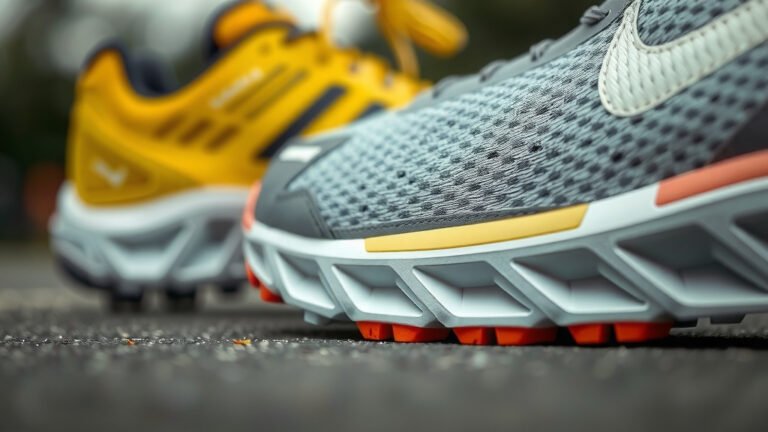
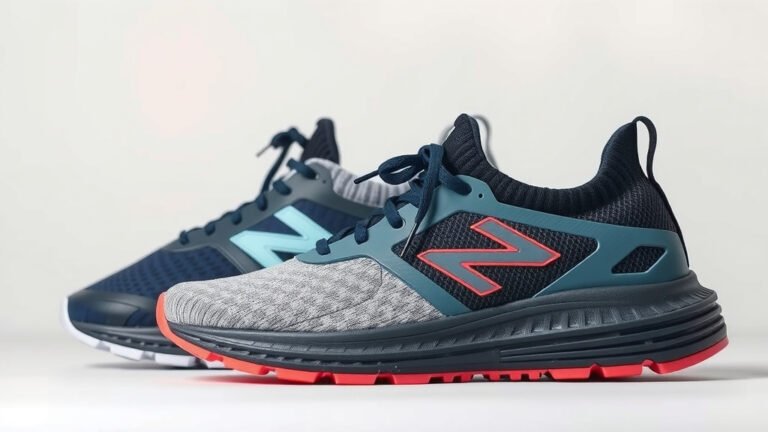
Athletic Shoes (Running, Basketball, Tennis)
These shoes are built for high impact and dynamic movement. A robust heel counter is non-negotiable. It provides the stability needed for quick stops, jumps, and changes of direction. Running shoes often have a slightly more flexible heel counter than, say, basketball shoes, to allow for a natural stride.
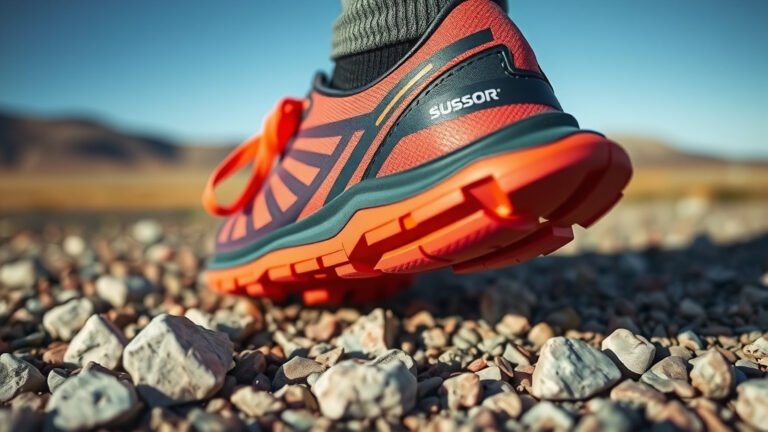
Walking and Hiking Boots
Comfort and support are key for these activities. Heel counters in walking shoes and hiking boots ensure your foot stays secure on uneven terrain. They help prevent fatigue on long treks. The added ankle support from a good heel counter is also a bonus in boots.
Dress Shoes and Casual Footwear
Even shoes designed for style include heel counters. While they might not be as rigid as those in athletic shoes, they still provide crucial support. A dress shoe with a floppy heel simply wouldn’t feel good or look right. Casual sneakers and loafers also benefit from this structure.
Work and Safety Boots
For jobs that require long hours on your feet or safety features, heel counters are vital. They offer stability and help prevent foot injuries. Many safety boots also incorporate metatarsal guards and steel toes, but heel support remains a fundamental element.
What to Look for in a Heel Counter
When you’re shopping for new shoes, pay attention to this back part. It’s easy to overlook, but it’s worth checking. Here’s what to keep in mind:
- Firmness: Does it feel supportive but not painfully rigid?
- Fit: Does it cup your heel comfortably without rubbing?
- Lack of slippage: Does your heel stay put when you walk?
- Material Quality: Does it seem like it will hold its shape?
| Shoe Type | Typical Heel Counter Rigidity | Primary Purpose |
|---|---|---|
| Running Shoes | Medium to High | Stability, pronation control, comfort |
| Basketball Shoes | High | Ankle support, stability during jumps |
| Dress Shoes | Medium | Shape retention, comfort, refined look |
| Hiking Boots | High | Ankle stability, support on rough terrain |
| Casual Sneakers | Low to Medium | Comfort, basic support, shoe structure |
Conclusion
You now understand the vital role your shoe’s heel counter plays. This seemingly simple component is your foot’s silent partner. It provides essential stability, preventing slippage and reducing fatigue. A well-functioning heel counter enhances your natural gait. It also helps protect you from common foot and ankle issues.
Next time you buy shoes, take a moment to feel the back. Check for that firm, supportive cup. Your feet will thank you for choosing footwear that offers proper heel support. Your comfort and long-term foot health depend on it.
Frequently Asked Questions
Can a bad heel counter cause foot pain?
Yes, a worn-out or poorly designed heel counter can definitely lead to foot pain. If it’s too soft, your heel can slide, causing friction and blisters. If it’s too stiff or misshapen, it might press uncomfortably on your heel bone, leading to soreness.
How do I know if my shoe’s heel counter is worn out?
You’ll likely notice your heel slipping inside the shoe when you walk. The back of the shoe might feel floppy or lose its shape. You might also feel increased rubbing or irritation at the back of your ankle.
Can a heel counter help with overpronation?
A supportive heel counter is key in helping to manage overpronation. It helps to guide your heel into a more neutral position as you walk. This reduces the excessive inward rolling of your foot, which is a common issue with overpronation.
Do all shoes have a heel counter?
Most shoes designed for support and structure do have a heel counter. This includes athletic shoes, boots, and many casual or dress shoes. Very minimalist or sandal-like footwear might not have a distinct, stiff heel counter.
How can I tell if a heel counter is too stiff for me?
A heel counter that’s too stiff might feel hard or unyielding against your heel. It could cause discomfort or even pain during wear, especially when you first put the shoes on or walk for a while. You might feel a pinching sensation or a constant hard pressure.