Best Walking Shoes Size 11 for Men and Women in 2026
Your walking shoes size 11 fit should give you about a thumb’s width of space between your longest toe and the shoe’s end. That extra half-inch prevents blisters and black toenails when your feet swell during a walk. We found that most people wear a size too small, so checking this gap first is your best move.
Getting the right fit in a size 11 means more than just finding any pair that says “11” on the box. Width, arch support, and the shoe’s overall shape all play a huge role in your comfort. Many experts say your feet can change size as you age, so don’t assume your size from years ago is still correct.
- Measure your feet at the end of the day when they are at their largest.
- Look for a thumb’s width of space at the toe box for proper room.
- Check both feet since one is often slightly bigger than the other.
- Try shoes with the socks you plan to wear for walking.
- Pick walking shoes over running shoes for better heel support and stability.
Below, we break down exactly how to find the perfect pair of size 11 walking shoes and what to avoid. Let’s get you fitting right so every step feels great.
Your Size 11 Fit Checklist: Getting the Basics Right
Before you browse online or head to the store, you need a game plan. We found that going in with a clear idea of your foot shape saves you tons of time. It also saves your feet from pain later on. You want a shoe that feels like it disappears when you walk. That starts with knowing your true size and foot type.
Many people assume their size never changes. But research and foot health experts say that is rarely true. Ligaments loosen over time. Arches can flatten. Even gaining a few pounds changes how your foot hits the ground (NIH). So, always measure fresh. Don’t grab the same size you wore in high school.
How to Measure Your Feet at Home
You do not need a fancy machine to get your size right. Grab a piece of paper, a pencil, and a ruler. Trace your foot while you are standing. This gives you the true weight-bearing shape.
- Tape the paper to the floor so it doesn’t move.
- Stand up straight and put your weight evenly on both feet.
- Trace the outline of your foot tightly with the pencil held straight up.
- Measure the distance from your heel to your longest toe.
- Take the measurement of both feet. One is almost always bigger.
Match your longest measurement to the brand’s size chart. You use the size for your bigger foot. This simple step helps you avoid the pain of shoes that pinch (Cleveland Clinic). Remember, sizes vary slightly between brands. Always check that specific shoe’s guide.
The “End of Day” Trick
Feet swell as the day goes on. A size 11 that fits at 8 AM might be tight by 5 PM. That is because blood pools in your feet after hours of gravity doing its job. Measure yourself in the evening. This gives you a buffer for those long walking days.
Why Width Matters More Than the Number
Size 11 is just the length. The width letter—like D or E—is the secret to real comfort. We found that many people with size 11 feet actually need a wide version. You are not alone if your pinky toe gets sore. That is a classic sign your shoe is too narrow.
Your feet should have room to spread naturally when you step. A tight shoe squeezes your toes together. This leads to bunions and corns over time. Walking shoes should fit like a firm handshake, not a vice grip.
Signs You Need a Wide Size 11
- You often get blisters on the sides of your feet.
- Your little toe rubs against the side of the shoe.
- The shoe has visible bulges on the sides where your foot pushes out.
- Your arch feels like it hangs over the edge of the sole.
Many experts say that getting the right width is more important than the length. Too tight a shoe cuts off circulation. That makes your feet go numb or tingle after a walk. Don’t ignore those signs. Your feet are telling you they need more space.
Walking Shoes vs. Running Shoes for Size 11 Feet
There is a big difference between these two. Running shoes are made for forward motion and shock absorption. Walking shoes are designed for heel-to-toe strikes. They have more rigid soles to help you push off. Running shoes have softer heels that can make walking feel unstable.
For walking, you want a shoe with a slight rocker bottom. This helps your foot roll forward smoothly. Running shoes often have a higher heel drop that pushes you forward. That can strain your calves and Achilles tendon when you simply walk. Stick with a dedicated walking shoe if you plan to hit the pavement.
The Cleveland Clinic points out that walking shoes need to be lightweight but firm. You also want a sturdy heel counter. That is the part that wraps around your heel. It provides stability and prevents ankle rolling.
Heel Drop and Motion Control
Heel drop is the height difference between the heel and the toe. For walking, a lower drop of 4 to 8 millimeters is ideal. This keeps your foot in a more natural position. It also reduces stress on your lower back.
If you overpronate, your feet roll inward too much. You need motion control or stability shoes. These have firmer midsoles that support your arch. If you have normal arches, go with a neutral shoe. It lets your foot move naturally while still supporting you.
Flexibility Test You Can Try
Hold the shoe and try to fold it in half. A good walking shoe bends at the ball of the foot. It should not fold in the middle. Test this in the store before you buy. A mid-foot bend can cause foot fatigue quickly. It also lacks the support your arch needs.
Sizing Differences Between Popular Brands
One brand’s size 11 is not the same as another’s. We found that some brands run narrow, while others are generous. If you order online, measure your foot and compare it to their official chart. Do not rely on your usual shoe size alone. Fit varies by model too, even within the same brand.
When you order online, check the return policy. Buy from places with free returns. That takes the pressure off you to guess right. You can order two sizes or widths and keep the one that feels better. This is the smartest way to find your fit without stress.
| Foot Measurement (inches) | US Men’s Size | US Women’s Size |
|---|---|---|
| 10.5 | 8.5 | 10 |
| 10.9 | 9.5 | 11 |
| 11.2 | 10.5 | 12 |
| 11.5 | 11 | 12.5 |
This table gives you a rough idea. But remember, foot shape matters. A wide foot might need to size up. A narrow foot might size down. Use this as a starting point, not the final truth.
Materials and Breathability in Size 11 Shoes
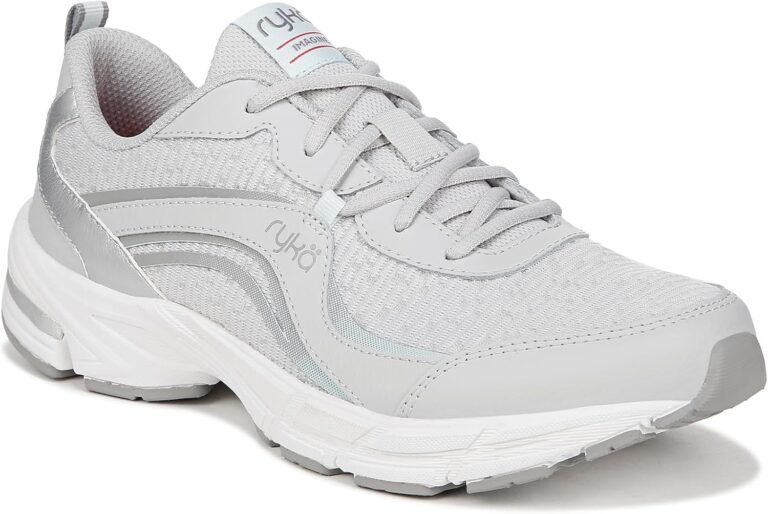
The upper material changes how the shoe fits. Mesh is stretchy and breathable. It adapts to your foot shape. Leather is more rigid and needs a longer break-in period. For most walking needs, a breathable mesh upper wins. It keeps your feet cool and prevents sweat build-up. For a detailed review of a popular walking shoe, check out our Easy Spirit Romy walking shoe analysis.
Sweaty feet can slip inside the shoe. That friction causes blisters. Look for shoes with moisture-wicking liners. These pull sweat away from your skin. They keep your feet dry and comfortable even during a long workout.
We found that seamless interiors help a lot too. Seams inside the shoe can rub against your toes. Large toe boxes with seamless uppers reduce irritation. They also give your toes room to splay naturally. That is a huge plus for size 11 wearers who often deal with crowded toes.
The Right Socks for Size 11 Walking Shoes
Your socks are part of your fit system. Thin dress socks are fine for casual wear. But walking needs thicker, cushioned socks. They absorb shock and reduce friction. Choose socks made from synthetic blends, not cotton. Cotton holds moisture and causes blisters when wet.
Look for socks with arch support built in. These hold your foot in place inside the shoe. They prevent sliding that causes hot spots. Always try your walking shoes on with the exact socks you plan to use. This gives you a true fit that works on the road.
Thickness Testing
Wear your walking socks and check the toe gap again. You should still have about a thumb’s width of space. If not, go up a half size. If there is too much room, go down a width. This simple test prevents foot slippage inside the shoe.
Breaking In Your New Pair the Right Way
Even the perfect shoe needs a short adjustment period. Do not go on a five-mile hike right away. Start with short walks around the house. Wear them for an hour a day at first. This lets the materials soften and mold to your feet.
Watch for hot spots during the break-in. A hot spot is a place where you feel friction building. If it becomes painful, the shoe might not be right. A proper shoe should feel comfortable almost immediately. Pain is not part of the break-in process.
The Half-Hour Rule
Wear your new shoes indoors for 30 minutes. If they hurt after that, take them back. Many experts say shoes should not cause pain right away. A slight tightness is okay. Sharp pain is a red flag you need a different size or model.
Where and When to Buy Your Size 11 Walking Shoes
Shop during the afternoon or evening. That is when your feet are at their largest. You avoid buying shoes that are too small because your feet are swollen. This is one of the simplest tricks for getting the right fit. It works every time.
Buy from stores with generous return policies. You want the flexibility to try shoes at home. Walking around your living room gives you a real feel. Carpets and hard floors test the grip and your comfort. Do not settle for just one pair. Compare a few options side by side.
Top Mistakes Size 11 Walkers Make
We found that many people buy shoes too small. They think tight shoes will stretch. But materials stretch only a little, and your foot bones do not. Never buy shoes hoping they will loosen up. Start with a comfortable fit right out of the box.
Walking shoes size 11 should not squeeze your toes. They should not slip at the heel. They should not feel like a water balloon either. You want a snug, secure, and slightly roomy fit. Your toes should wiggle freely without touching the front.
Final Fit Reasoning
Your walking shoes are the most important gear you own. They support your knees, hips, and back. Spending an extra ten minutes on fit is worth it. A good pair of size 11 walking shoes transforms your daily stroll into a joy. A bad pair makes every step a chore.
Conclusion
Finding the right walking shoes size 11 comes down to measuring your feet fresh and respecting your width. You now know the thumb’s width rule, the end-of-day trick, and why a wide fit might be your hidden need. Your feet deserve shoes that support every step without pinching or sliding.
Take what you learned here and apply it today. Measure your feet tonight, grab the socks you plan to wear, and try on a few pairs with a clear checklist. The right fit makes walking feel effortless. You will notice the difference from your very first step.
Frequently Asked Questions
Do walking shoes size 11 run smaller than running shoes?
Not always, but sizing varies by brand and model. Running shoes often have a snugger heel fit, while walking shoes give you more room in the toe box. Always measure your foot and check that specific shoe’s size chart before ordering.
Is it normal for my size 11 feet to be different sizes?
Yes, almost everyone has one foot slightly larger than the other. You should fit your walking shoes to your bigger foot. This prevents pain and blisters on the foot that gets squeezed.
Can I wear size 11 walking shoes if I normally wear size 10.5?
You can, but only if the shoe runs small or your feet have changed. Try on both sizes and walk around the store. Go with the pair that gives you a thumb’s width of space without your heel slipping.
How long do size 11 walking shoes last before I need new ones?
Most walking shoes last between 300 and 500 miles. You might need new shoes every six to eight months if you walk daily. Check the tread and midsole for wear or compression as your signal to replace them.
Should I size up for wide feet when choosing walking shoes?
You might, but you should try a wide width first before going up in length. A wide size 11 gives your foot more room without making the shoe too long. This keeps your foot stable and prevents sliding.