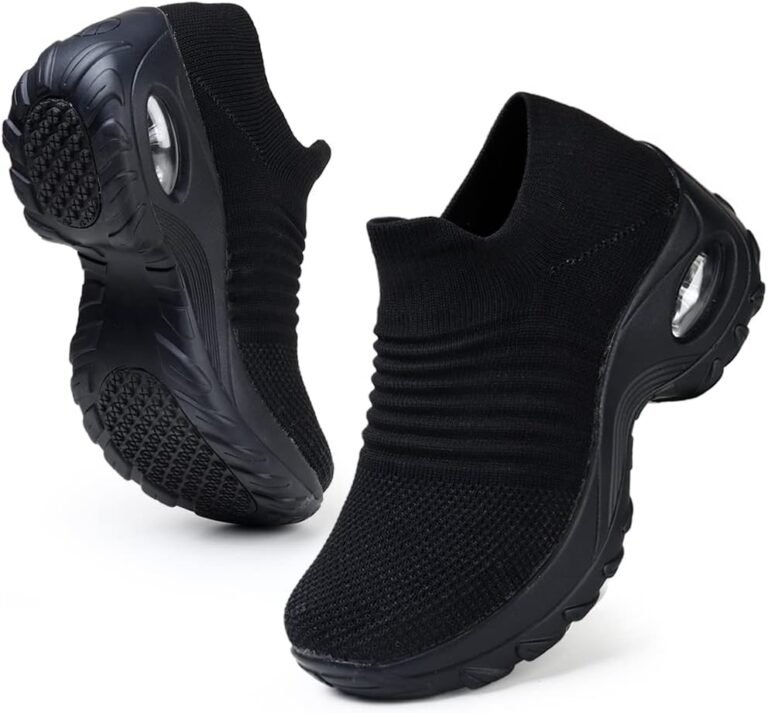
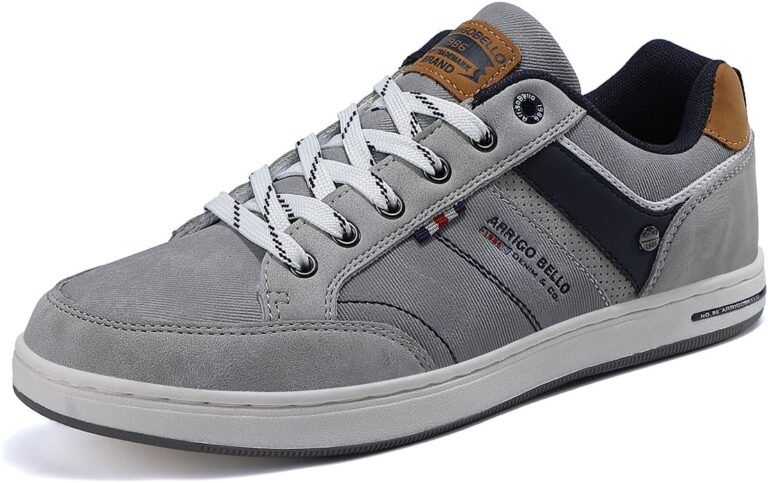
Safety Toe Walking Shoes: What to Know Before Buying
Safety toe walking shoes are footwear that combines a reinforced toe box (like steel or composite) with the flexible feel and comfort of a regular walking shoe. They are designed to protect your feet from impacts and compression while keeping you comfortable during all-day walking.
Finding the right pair is about balancing workplace protection with everyday foot health. We found that many people struggle because traditional work boots are too stiff or heavy for extended walking. These shoes solve that problem by offering certified safety ratings in a lighter, more athletic design.
- Protection: They shield your toes from falling objects and crushing hazards.
- Comfort: They feel more like sneakers than boots, reducing foot fatigue.
- Style: Many look like regular athletic shoes, so you can wear them anywhere.
- Versatility: They work for warehouse jobs, light industrial use, and outdoor walks. For broader walking needs, our roundup of the best walking shoes and boots covers versatile options.
- Safety Ratings: Look for ASTM F2413-18 certification to ensure real protection.
Below, we break down exactly how to pick the right pair, what features matter most, and which styles hold up best for daily wear. Let’s walk through it step by step.
Choosing Safety Toe Walking Shoes That Fit Your Day
You need a shoe that pulls double duty. It must guard your toes and feel good for miles of walking. We found that the best approach is to start with your work environment and build from there. Think about your daily tasks first. Then match the shoe’s features to those specific demands.
Think of it like picking a car. A sports car is fast, but it is not great off-road. A truck is tough, but it burns gas. Safety toe walking shoes are the crossover SUV of footwear. They blend protection with ride comfort. You just need to pick the right trim level for your job.
Know Your Hazard Level First
Not every job needs the same level of toe armor. Ask yourself what could fall or roll onto your feet. A warehouse worker moving boxes has different risks than a janitor pushing a cart of supplies. Your choice of toe material depends on the answer.
We found that matching the toe cap to your actual hazard is the smartest move. Over-buying protection makes the shoe heavy. Under-buying leaves you exposed. Getting it right means the shoe disappears from your mind while you work.
Steel Toes for Heavy Industrial Work
Steel is the classic choice. It offers the most protection against heavy impacts and crushing forces. Many experts say steel is still the gold standard for demanding construction sites or manufacturing floors. The trade-off is weight. Steel adds heft to each step.
That extra weight can drain your energy over an eight-hour shift. But if you work around heavy pallets or steel beams, that trade-off often makes sense. The protection is simply too good to pass up for high-risk environments.
Composite Toes for Lighter Comfort
Composite toes use materials like fiberglass, carbon fiber, or Kevlar. They meet the same safety standards as steel in most cases. The big win is weight. A composite toe is significantly lighter than steel. We found that this translates to less leg fatigue at the end of the day.
Another perk? Composite does not conduct cold or heat the way steel does. Working in a freezer or on a hot rooftop feels much more comfortable. Many people also prefer composite because it does not set off metal detectors. That is a handy bonus for travelers or people working in secure facilities.
Alloy Toes as a Middle Ground
Alloy toes are typically made from aluminum or titanium. They offer a thinner profile than steel. This gives you more room inside the toe box. If you have wide feet or thick toes, this extra space can be a lifesaver. Alloy toes are lighter than steel too, but stronger than composite in some cases.
Just be careful. Alloy toes can be thinner, which means less insulation in extreme cold. Also, they may not be ideal for environments with high electrical hazards. Check your specific safety requirements before going this route.
Key Comfort Features for All-Day Wear
A safety toe is only half the story. The rest of the shoe determines whether you walk pain-free or hobble home. We looked at dozens of models and found that comfort comes down to a few critical components. Ignore these and you will regret it by lunchtime.
Your feet absorb a lot of shock every day. Walking on concrete is like hitting your feet with a hammer thousands of times. The right midsole and insole absorb that blow. Look for cushioning that feels plush but still supportive.
The Importance of Arch Support
Flat feet or high arches change how your foot lands. A shoe that suits one arch type can hurt the other. Many guidelines from foot health specialists point to proper arch support as a key factor in preventing foot pain (American Podiatric Medical Association). Look for shoes with removable insoles. That way, you can swap in your own orthotics if needed.
We found that a rigid or poorly shaped arch support causes more problems than a flat shoe. Your foot needs a stable base. If the arch area collapses under your weight, you will feel it in your knees and hips. Take time to find the right curve for your foot.
Outsole Grip and Traction
Walking on slick floors is a recipe for disaster. The outsole is your connection to the ground. We found that rubber outsoles with deep treads offer the best grip on wet or oily surfaces. Look for markings like “oil-resistant” or “slip-resistant” on the label.
Think about your walking surface. A polished concrete floor needs different tread than a gravel path. If you walk outdoors, you want a more aggressive lug pattern. Inside on smooth floors, a flatter tread works better and is quieter.
Breathability and Temperature Control
Your feet sweat. A lot. Trapped heat and moisture lead to blisters and odors. Many walking shoes use mesh or knit uppers to let air flow. This works well in normal temperatures. But in colder or wetter conditions, you might want a waterproof membrane instead.
We found that finding shoes with moisture-wicking linings helps a ton. These pull sweat away from your skin and let it evaporate faster. If your job involves both indoor and outdoor walking, look for a breathable shoe that still blocks light rain and wind.
Size and Fit: The Non-Negotiables
Here is the truth. A safety toe shoe that is too tight is worse than no safety shoe at all. You can get blisters, ingrown toenails, and severe foot pain. A shoe that is too loose allows your foot to slide forward. That can jam your toes against the cap on every step downhill.
Many experts recommend trying on safety shoes at the end of the day. Your feet swell as the day goes on. Trying them on in the morning means they will feel tighter by 3 PM. Shop in the late afternoon to get an honest fit.
Why Size Runs Differ Between Brands
One brand’s size 10 is another brand’s 10.5. It is frustrating but true. We found that safety shoe sizing varies a lot even within the same style. Always check the size chart before ordering. Look for reviews that mention whether the shoe runs small or large.
Do not assume your usual sneaker size will work. The toe cap takes up internal space. You often need to go up half a size to accommodate the reinforced toe box. Use the tried-and-true rule. You should have a thumb’s width of space between your longest toe and the front of the shoe.
Styles That Work for Different Jobs
The world of safety toe shoes has evolved far beyond the clunky boot. You now have options that look like regular athletic shoes. We found this to be a game changer for people who walk on their feet all day and want some style. Here is how to pick by your setting.
Casual sneaker-style safety shoes blend in at workplaces with relaxed dress codes. They feel like your favorite running shoes but hide a solid toe cap inside. These are great for supervisors, technicians, or delivery drivers who need function without looking like they are wearing combat gear.
Low-Top vs. High-Top Designs
Low-top shoes offer more ankle freedom. You can bend and twist more easily. This works well for walking on flat surfaces for long periods. High-top versions give you ankle support. They are better if you carry heavy loads or walk on uneven terrain. We found that high-tops also keep pebbles and debris out of your shoes.
If you have weak ankles from past injuries, err on the side of high-tops. The extra support helps prevent rolling your ankle. Just know they can feel warmer and more restrictive than low-tops.
Indoor vs. Outdoor Versatility
Some jobs are purely indoors. Others mix warehouse floors with parking lots and sidewalks. We found that a shoe with a versatile tread pattern can handle both. Look for a medium-depth tread. This grips indoor floors without dragging in mud and dirt from outside. Lightweight materials also make switching environments easier.
Consider the transition. Walking from a slick warehouse into a wet parking lot is dangerous if your shoes do not grip both. A single shoe that handles both surfaces saves you from keeping two pairs at work.
Maintenance Tips for Longer Shoe Life
You paid good money for your safety shoes. You want them to last. We found that simple daily habits extend their lifespan significantly. Take care of them, and they will take care of your feet.
Let them air out overnight. Do not store them in a sealed locker. Moisture from sweat builds up and breaks down the materials. Letting them breathe between shifts reduces odor and keeps the cushioning from degrading.
Cleaning Do’s and Don’ts
Wipe off dirt and grime after each shift. Use a soft brush or damp cloth. Do not throw them in the washing machine. The machine can warp the safety toe cap. That could compromise its protective rating. Check the manufacturer’s label for specific cleaning instructions.
Replace the insoles when they flatten out. Worn insoles reduce cushioning and increase fatigue. Many brands sell replacement insoles that fit perfectly. Swapping them every few months is cheap insurance against foot pain.
When to Replace Your Shoes
Safety toe caps lose their integrity over time. Cracks or dents in the cap mean it is done. Also, if the outsole is worn smooth, you lose slip resistance. We found that most shoes last between six months and a year with daily wear. Heavy use shortens that window. Inspect your shoes monthly for cracks, separated soles, or exposed stitching.
Think about your feet. If your knees or back start hurting, check your shoes first. Worn support can cause aches that feel unrelated. When in doubt, replace them. The cost of new shoes beats the cost of a foot injury.
Quick Checklist for Buying Your Next Pair
We put together a fast checklist to take with you. Use this when shopping online or in a store. It covers all the big points we discussed above.
Keep this list handy. It makes the decision process much easier.
- Confirm your safety rating. Look for ASTM F2413-18 on the label or product page.
- Check the weight. Heavier shoes cause more fatigue. Weigh them in your hand.
- Test the toe room. Wiggle your toes. There should be no pressure points on top or sides.
- Evaluate the arch support. Does it match your foot curve? If not, plan to swap insoles.
- Scrutinize the outsole. Does the tread match your walking surface?
- Walk around in them. Do not just stand. Walk for at least 10 minutes. If they hurt in the store, they will hurt at work.
Comparing Popular Safety Toe Materials
We found that a simple comparison chart helps people visualize the differences. Use this table to weigh your options quickly. It summarizes the key trade-offs between the four main toe cap materials.
| Material | Weight | Protection Level | Best For |
|---|---|---|---|
| Steel | Heaviest | Maximum impact and compression | Heavy industry, construction, high-impact risks |
| Composite | Light | High (meets most standards) | All-day walking, cold environments, airport travel |
| Alloy (Aluminum/Titanium) | Medium | High, thinner profile | Wide feet, need for extra toe room, medium hazards |
Notice the pattern. Weight goes up with protection in some cases. But composite and alloy toes have closed that gap. You no longer have to sacrifice comfort for safety in most situations. Research from the National Institute for Occupational Safety and Health (NIOSH) emphasizes that proper fit and selection are crucial to ensuring the protective features actually work as intended. Choose based on your personal priority list. If you walk constantly, weight is the bigger enemy. If you drop heavy objects, go with steel.
Conclusion
You do not have to choose between safe feet and comfortable feet. The right pair of safety toe walking shoes protects you without feeling like bricks strapped to your ankles. We walked through toe materials, cushioning, fit, and tread patterns. Each piece matters for your daily comfort and long-term foot health.
Start with your specific hazard level. Then match the toe material and weight to your walking demands. Try shoes on later in the day. Walk in them for at least ten minutes before committing. Check the ASTM F2413-18 rating to confirm real protection. That simple checklist will save you from blisters, fatigue, and regret.
Your next step is simple. Take a look at your current work shoes and honestly rate their comfort. If they hurt by lunchtime or feel heavy, it is time to upgrade. Your feet carry you through every shift. Give them footwear that works as hard as you do.
Frequently Asked Questions
Can I wear safety toe walking shoes for hiking or long outdoor walks?
Yes, you can. Look for models with aggressive outsoles and waterproof uppers. The toe protection adds a bit of weight, but many designs handle trails well. Just make sure the tread pattern matches the terrain you plan to cover.
Do safety toe shoes hurt your toes when you walk?
They should not if fitted properly. Pain usually comes from a toe box that is too small or too shallow. You need wiggle room for your toes, not just length. Try going up half a size and check for pressure points on the top of your foot.
Are composite safety toes as safe as steel toes?
Composite toes meet the same ASTM safety standards as steel in most impact tests. They handle falling objects just as well. The trade-off is that composite can be slightly thicker. Check the specific rating on your shoe to confirm it covers your work hazards.
How do I know if my safety shoes are expired or worn out?
Inspect the toe cap for cracks, dents, or deformation. Press on the cap and listen for cracking sounds. Check the outsole for smooth spots and the midsole for compression. Most shoes need replacement every six to twelve months with daily heavy use.
Can I put my own orthotic insoles inside safety toe walking shoes?
Yes, as long as the shoe has a removable insole. Many models feature this design specifically for that purpose. You might need to go up half a size to fit your orthotic without crowding your toes. That extra space keeps your feet comfortable and prevents pressure points.