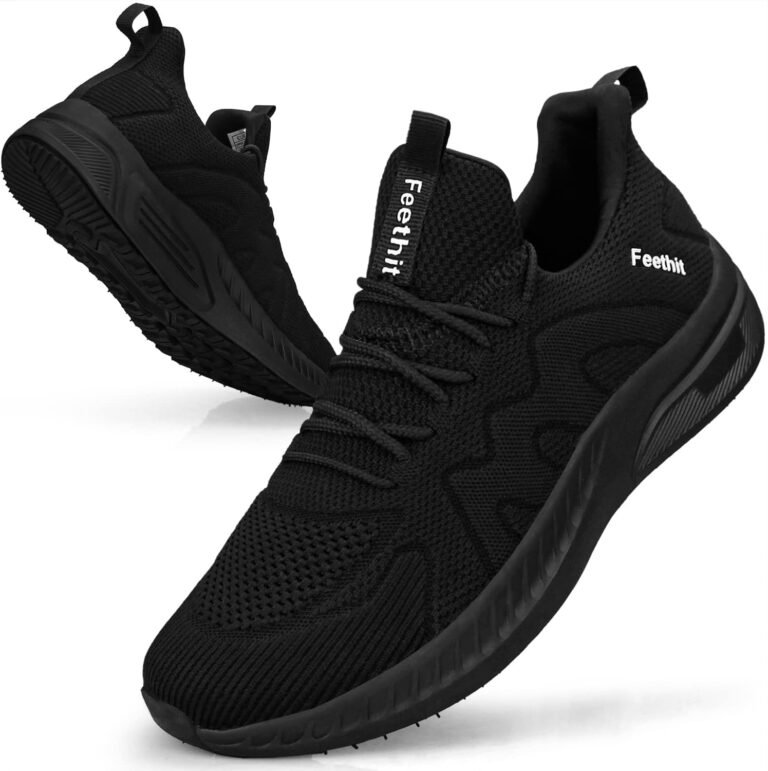
Podiatrist Walking Shoe Buying Guide for 2026
The best podiatrist-approved walking shoes have a removable insole, a stiff heel counter, and a wide toe box. You want a shoe that bends at the ball of your foot, not in the middle. This is what we look for when buying a walking shoe, and it’s the fastest way to find a pair that won’t hurt your feet.
We found that most foot pain during walks comes from shoes that are too flexible or too narrow. Your feet need support in the arch and a firm grip around the heel to prevent slipping. Many experts say to shop later in the day when your feet are slightly swollen, just like they are during a real walk. This gives you a true fit and helps you avoid buying a pair that’s too tight.
- Look for a stiff heel: Squeeze the back of the shoe—it should not collapse easily.
- Bend test matters: The shoe should fold only at the toe, not in the arch.
- Go for removable insoles: You can swap in custom orthotics if you need them.
- Wide toe box wins: Your toes should spread out flat inside the shoe.
- Skip the break-in period: A good walking shoe feels comfortable right out of the box.
Below, we break down the exact steps to find a podiatrist-approved walking shoe, from the store test to the final lace-up. Let’s walk through it together so you can get back to enjoying your steps.
Choosing a Walking Shoe That Podiatrists Actually Recommend
The search for a good walking shoe can feel overwhelming. You might stand in the aisle, stare at rows of sneakers, and have no idea where to start. We get it, and we have been there.
We found that a few simple tests can help you judge any shoe in under two minutes. You do not need to be a foot expert. You just need to know what your feet are asking for.
Why Your Current Shoes Might Be the Problem
Many people walk in running shoes or casual sneakers that are too soft. That sounds comfortable, but it is often the opposite. Soft, squishy shoes make your foot muscles work harder to stay stable.
Research and found that excessive cushioning can actually increase foot fatigue (Harvard Medical School). Your foot sinks into the foam, and your arch loses its natural support. This is a recipe for plantar fasciitis or heel pain.
The Three Essential Tests for Any Walking Shoe
Before you even try a shoe on, do these three quick checks. They will tell you 90% of what you need to know.
- The Heel Squeeze Test: Grip the back of the shoe with your thumb and fingers. Squeeze hard. A proper heel counter should resist your grip and hold its shape.
- The Bend Test: Hold the shoe with two hands, one at the toe and one at the heel. Try to fold it in half. It should only bend at the toe area, not in the middle of the arch.
- The Twist Test: Grip the toe with one hand and the heel with the other. Try to twist them in opposite directions like wringing a towel. A supportive shoe will barely twist, if at all.
These steps sound simple, but they duplicate the structural checks many experts use (American Podiatric Medical Association). A shoe that twists too easily has no torsional stability.
The Anatomy of a Foot-Friendly Walking Shoe
Once you understand the basic tests, it helps to break down the shoe into its main parts. Each component plays a specific role in protecting your feet. Here is what to look for in each area.
The Heel Counter: Your Stability Anchor
The heel counter is the stiff plastic cup inside the back of the shoe. It wraps around the back of your heel and holds your foot in place. Without it, your heel slides up and down with every step.
That friction causes blisters and can strain your Achilles tendon. You want a heel counter you cannot crush with your fingers. Many guidelines point to this as a key feature for stability (Mayo Clinic).
The Midsole: Firm Support Over Pillowy Softness
Look for a midsole that is firm but has some give. It should not collapse completely when you press on it. Think of a firm mattress rather than a foam pillow.
Firm midsoles provide better arch support and reduce strain on the plantar fascia. A walking shoe that feels like a marshmallow might feel nice in the store, but your feet will pay for it later.
The Toe Box: Room to Roam
Your toes need space to spread out when you push off the ground. A narrow toe box squeezes your toes together. This can cause bunions, corns, and neuromas over time.
Many experts say your longest toe should have about a half-inch of space in front of it. You should be able to wiggle all your toes freely inside the shoe.
The Insole: A Clear View of the Arch Support
Pull the insole out of the shoe before you buy it. You want to see if there is a visible arch support built in. If the insole is flat and thin, take it out completely.
The shoe should have some arch contour molded directly into the midsole. An insole that pops out easily also lets you swap in your own orthotic inserts if you need prescription support.
How to Test the Fit the Right Way
You have done the structure tests, and the shoe passes. Now comes the fit. The right size is not just about the number on the box. It is about how the shoe holds your foot during movement.
Always Shop for Walking Shoes Later in the Day
Your feet swell as the day goes on. They also swell during a long walk. If you buy shoes in the morning, you risk getting a pair that fits fine on the shelf but hurts halfway through your walk.
Try to shop in the late afternoon or evening. Your feet are at their largest and most realistic size. This small timing trick makes a big difference in comfort.
Wear the Same Socks You Walk In
Do not wear dress socks or go barefoot when trying on shoes. Wear the exact type of athletic socks you plan to walk in. A thicker sock changes the fit completely.
You want the shoe to feel snug but not tight. There should be no heel slip when you walk. Your toes should not feel pinched, even when you are standing on your toes.
The One-Finger Heel Test
Once laced up, try to slide your index finger down the back of the shoe behind your heel. It should fit snugly but slide in without force. If the finger is too tight or too loose, adjust the size.
Remember this rule: a walking shoe should feel comfortable immediately. There is no “breaking in” period for a good walking shoe. If it hurts in the store, it will hurt on mile five.
Walking Shoes vs. Running Shoes: Know the Difference
You might think any athletic shoe works. That is a common mistake. Walking and running have different mechanics, and the shoes are designed differently for a reason.
| Feature | Walking Shoe | Running Shoe |
|---|---|---|
| Heel Counter | Stiff and supportive | Often softer and more flexible |
| Flex Point | Bends at the ball of the foot | Bends more toward the middle |
| Heel Drop | Lower, around 8-10mm | Higher, around 10-12mm |
| Cushioning | Firm and stable | Soft and energy-returning |
| Outsole | Designed for heel-to-toe roll | Designed for shock absorption |
Running shoes have a curved rocker sole that promotes a forward motion. Walking shoes have a flatter sole that supports a natural heel-to-toe gait. Using running shoes for walking can lead to poor foot mechanics and strain.
Special Foot Conditions and What to Look For
Your foot pain has a specific cause. You might already have a diagnosis. Here is how to match a shoe to your specific foot issue.
For Flat Feet or Overpronation
If your arches roll inward too much, you need a stability shoe. Look for a firm medial post, which is a dense foam section on the inner side of the shoe. This helps correct the inward roll.
For High Arches or Supination
High arches need extra cushioning. Look for a curve in the sole that helps absorb shock. A curved last with deep cushioning is often recommended for this foot type.
For Plantar Fasciitis
If the bottom of your heel hurts, focus on firm arch support and a stiff heel counter. A slight rocker sole also helps reduce stress on the plantar fascia. You want a shoe that does not let your foot flex beyond its natural range.
Last-Minute Shopping Checklist
You have done your research and learned the tests. Now, take this checklist to the store with you. It keeps you focused and prevents you from falling for a pretty design.
- Heel cup resists firm pressure without collapsing.
- Shoe bends only at the toe, never in the arch.
- Toe box lets you wiggle all five toes freely.
- Insole is removable for custom orthotics.
- Shoe fits comfortably right away, with no pinching.
- Walk around the store for at least 10 minutes before deciding.
Stick to this list, and you will walk out with a pair of shoes that support your feet for the long haul. Your future self will thank you after every single walk.
Conclusion
Finding the right walking shoe is about structure, not style. You now know the tests that matter: firm heel counter, proper flex point, and a toe box that gives your toes room to move. A good shoe should feel comfortable the moment you put it on. No break-in period needed.
Before you head to the store, check the time. Shop later in the day when your feet are naturally swollen. Wear your walking socks and take our checklist with you. Spend at least 10 minutes walking around the store. Your feet carry you everywhere. They deserve shoes that work as hard as you do.
Frequently Asked Questions
How often should I replace my walking shoes?
Most walking shoes last between 300 and 500 miles. That usually translates to every six to eight months for regular walkers. Check the midsole for wrinkles or flattening. If the heel feels less supportive, it is time for a new pair.
Can I wear orthotics with any walking shoe?
You need a shoe with a removable insole to use custom orthotics. Pull out the factory insole and check the depth of the shoe. Your orthotic should sit flat with your heel snug inside. A wide toe box often gives orthotic users more room.
Should I buy walking shoes a half size bigger?
That depends on your feet, but many people need a half size up for walking shoes. Your feet spread and lengthen when you walk. Leave about a half-inch of space ahead of your longest toe. Your toes should never touch the front of the shoe.
What is the best time of day to buy walking shoes?
Shop in the late afternoon or early evening. Your feet swell naturally throughout the day, just like they do during a walk. Getting fitted while your feet are at their largest helps you buy shoes that stay comfortable on longer walks.
Are expensive walking shoes worth the money?
You can find good walking shoes at any price point. Research and found that price does not always mean better foot support. A quality mid-priced shoe with a stiff heel counter and firm midsole can outperform a premium one. Focus on the structure tests, not the tag price.