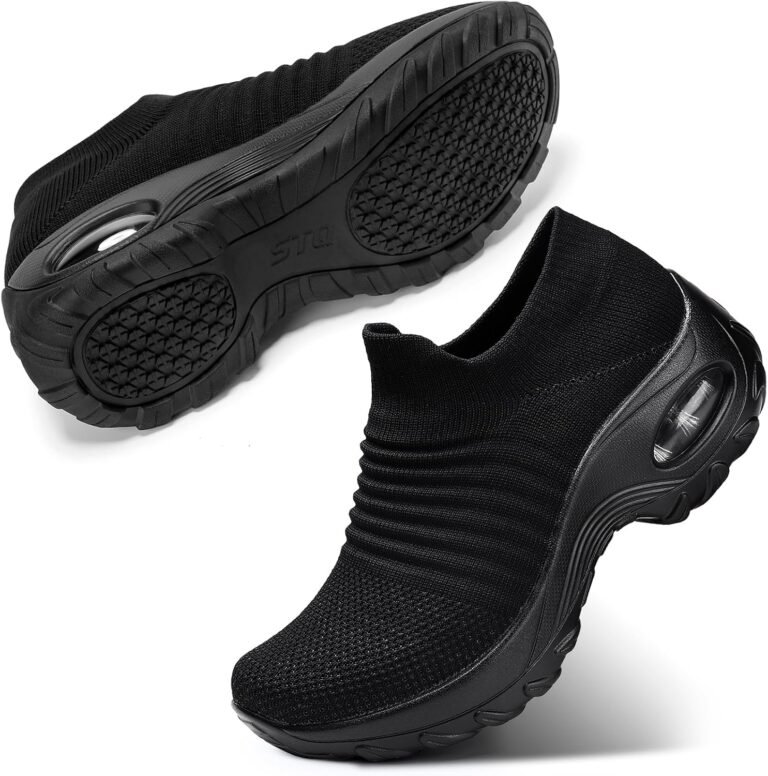
Size 15 Men’s Walking Shoes: 7 Comfort Tips That Work
Yes, you can absolutely find high-quality men’s walking shoes size 15, but you’ll need to shop smart because most stores only stock up to size 13. The key is focusing on brands that manufacture big sizes as a standard, not as a rare specialty item. You don’t have to settle for clunky, uncomfortable, or overpriced options just because you have larger feet.
We found that the market for big-and-tall footwear has grown significantly in recent years. This means you now have more choices for walking shoes that provide proper arch support and cushioning for all-day comfort than ever before. Whether you need shoes for daily errands, long work shifts, or hitting the pavement, there are excellent fits waiting for you—you just have to know where to look and what features actually matter.
- Look for brands like New Balance, Brooks, and Asics, which regularly carry up to size 15 in walking styles.
- Prioritize a wide toe box to prevent blisters and foot fatigue during long walks.
- Always check the exact size guide, as a size 15 in one brand can fit differently than in another.
- Expect to pay a slight premium for big sizes, but you can still find deals during online sales.
- Consider ordering from retailers with free returns so you can test the fit risk-free.
Below, we break down the best walking shoe models, key features to look for, and practical buying tips so you can step out in comfort without the guesswork.
Finding the Right Fit in Size 15 Walking Shoes
You already know that walking is one of the best exercises out there. It is easy on your joints and great for your heart. But if you wear a size 15, the hardest part is often just finding a shoe that fits right.
We found that proper fit in big sizes makes or breaks your walking routine. A shoe that is too tight can cause blisters. A shoe that is too loose can cause your foot to slide. Both are bad news. The right fit should feel snug in the heel and roomy in the toes. You should have about a thumb’s width of space in front of your longest toe. That gives your feet room to swell, which they naturally do during a long walk. Many guidelines point to this simple rule for healthy footwear choices (American Podiatric Medical Association).
Why Standard Stores Often Skip Size 15
Have you ever walked into a store and asked for a size 15, only to get a blank stare? You are not alone. Most retail stores stock the most common sizes, which are between 8 and 13. Size 15 is a low-volume size for them. It does not make sense for them to fill shelf space with shoes that might not sell quickly.
That is why you need to change your shopping strategy. You cannot rely on what is physically on the shelf. Instead, you need to focus on online retailers that specialize in extended sizes. We found that brands like New Balance, Brooks, and Asics regularly produce walking shoes up to size 15. They treat big sizes as a standard part of their lineup, not a rare special order.
Understanding Width Options for Size 15
Size 15 is one thing, but width is a whole other story. You might have a narrow foot, an average foot, or a wide foot. Many guys with size 15 feet also need a wide width. That is often a “2E” or “4E” in shoe terms. You must pay attention to this number.
We found that getting the width right is just as important as the length. A size 15D (medium) can feel like a vice on a wide foot. You can end up with pinched nerves or bunions. Always check the width when you order. If you are between widths, go up a half size in width, not length. Your feet will thank you later.
Important Features for Big Walking Shoes
Once you find a brand that carries your size, you need to look at the features. Not all walking shoes are built the same. Some are flimsy. Some are too heavy. You want a shoe that supports your body weight and absorbs shock with every step. Since you have a larger frame, your joints take more impact. A good walking shoe helps soften that landing.
Heel Cushioning and Shock Absorption
Walk with your heel landing first. That is the natural motion for most people. Every time your heel hits the pavement, a shockwave travels up your leg. Over time, this can strain your knees and lower back. You need a shoe with solid heel cushioning to absorb that impact safely.
Look for shoes with thick midsoles. Materials like EVA foam or gel inserts do a great job here. We found that shoes with high “stack height” (the foam between your foot and the ground) offer more comfort for long distances. If the heel feels hard when you press it with your thumb in the store, skip it. You want a little give. Your joints rely on that compression to keep you moving without pain. The Centers for Disease Control and Prevention notes that adults need moderate-intensity aerobic activity, and comfortable footwear makes sticking to that routine easier.
Arch Support and Stability
Do you know your arch type? Flat feet, high arches, and neutral arches all need different support. You can check this at home with the wet test. Wet your foot and step on a piece of paper. If you see a solid shape with no curve, you have flat feet. If you see a very thin line connecting your heel to your toes, you have high arches.
We found that most walking shoes for men in size 15 offer good neutral arch support. This works for a majority of people. If you have flat feet, you might need a shoe with a “medial post” or a firmer density on the inside edge. That helps prevent your foot from rolling inward, which is called overpronation. If you have high arches, you need extra cushioning to help distribute pressure evenly. Getting this right prevents foot fatigue and keeps you walking longer.
Toe Box Room to Prevent Blisters
Imagine wearing a shoe that always squeezes your toes together. That is how you get blisters, corns, and black toenails. A wide toe box lets your toes spread out naturally when you walk. This gives you better balance and a more stable stride. It also helps with blood flow to your feet.
We found that many size 15 walking shoes naturally come in wider builds. That is a good thing. You want a shoe that allows a little wiggle room for your toes. If you feel your toes hitting the front when you walk, the shoe is too small. Do not force it. You will only hurt yourself. A comfortable toe box means your toes have plenty of space to move freely inside the shoe.
Breathable Materials for Hot Feet
Bigger feet tend to sweat more. That is just a fact. When your feet sweat, they slide around inside the shoe. That friction causes blisters and bad odor. You need a shoe that lets heat escape and air circulate. Mesh uppers are the standard choice for this.
We found that breathable mesh keeps your feet dry and comfortable during long walks. These materials allow moisture to evaporate quickly. This cools your feet and reduces the chance of developing fungal infections. Always look for shoes with a breathable top layer. Synthetic mesh or engineered knit fabrics work best. Avoid full leather unless you only walk in cold weather. In heat, leather traps moisture and makes your feet feel like they are in a sauna.
Best Types of Walking Shoes for Size 15
Now that you know what features matter, let us talk about the different styles. You need the right tool for the right job. Walking on a treadmill at the gym is different from walking on a gravel trail. You should pick your shoes based on where you actually do most of your walking. Choosing the right type makes a huge difference in comfort and shoe lifespan.
Road Walking and Everyday Use
If you walk on sidewalks, pavement, or indoor surfaces, you want a road walking shoe. These shoes are designed to be light and flexible. They have moderate cushioning that feels responsive on hard, flat surfaces. You do not want a heavy boot for this job. It will wear you out faster.
We found that road shoes from Brooks and New Balance perform well in size 15. They offer smooth heel-to-toe transitions. This means your foot rolls forward naturally without extra effort. For daily errands or walking for exercise, these are your best bet. They feel like a natural extension of your foot.
Trail Walking for Outdoor Enthusiasts
Do you like to walk in the woods or on dirt paths? Then you need a trail walking shoe. These have deeper treads or lugs on the bottom. That grip helps you stay stable on loose dirt, mud, or wet rocks. They also have tougher uppers that resist tears from sticks and rocks.
We found that trail shoes in size 15 have stiffer outsoles for better grip on uneven terrain. They protect your feet from sharp objects on the ground. You trade a little bit of cushioning for durability and traction. That is a fair trade if you spend your walks off the pavement. Just remember that trail shoes feel a bit more rigid when you first wear them. They need a short break-in period.
Slip-On and Recovery Walking Shoes
Maybe you need a shoe for casual walks or just recovering after a hard workout. Slip-on walkers are great for that. They are easy to get on and off. No laces to untie. Just step in and go. They usually have a lot of plush cushioning around the heel and collar.
These are not ideal for long distance walking. But they are perfect for walking around the house or running quick errands. We found that these styles are becoming more available in size 15. Look for ones with a stretchy upper that adapts to your foot shape. They offer convenience without totally sacrificing support.
Practical Buying Tips for Size 15 Shoes
Shopping online is your best move. The selection is much bigger. But you also have to be smart about it. You cannot walk into a store and try on a pair most of the time. You have to rely on measurements and return policies. Here are some steps to get the fit right the first time.
First, measure your feet at the end of the day. Your feet swell as you walk around. That is when they are at their largest. Use a ruler to measure the length from your heel to your longest toe. Compare that to the brand’s size chart. Do not assume your size is the same across all brands. It is not. A size 15 in New Balance might feel bigger than a size 15 in Asics. Always use the specific size chart for the exact model you want.
- Order multiple widths: If available, order the same shoe in a D and a 2E width. You can compare them at home and return one.
- Check the return policy: Only buy from stores that offer free returns. You will likely need to exchange sizes at least once.
- Wear your walking socks: When you try shoes on at home, use the same socks you plan to walk in. Thick socks change the fit completely.
- Walk around in them: Do not just put the shoe on and sit down. Stand up, walk around your house, and mimic your walking motion.
- Look for sales: Extended sizes often go on sale at the end of each season. Stock up when you find a model that fits well.
- Join brand loyalty programs: Some brands offer free shipping and early access to sales for members.
How to Use Size Charts Correctly
Size charts are your best friend, but only if you use them right. Every brand has its own measurements. Your foot length is the only constant. A 12-inch foot might be a size 15 in one brand and a 14.5 in another. That is why measuring is so important.
We found that measuring in centimeters is the most accurate way to compare sizes across brands. Put a piece of paper on the floor. Stand on it with your heel against the wall. Mark the spot where your longest toe ends. Measure that distance in centimeters. Then reference that number against the brand’s chart. This takes the guesswork out of ordering online.
Don’t Forget About the Weight of the Shoe
Heavy shoes make your legs tired faster. When you have a size 15 shoe, the weight is naturally higher than a size 9. But there is a difference between a heavy support shoe and a lightweight trainer. If you are walking for fitness, look for a lighter shoe. If you need maximum stability because of foot issues, you might need a heavier, more structured shoe.
We found that lighter shoes feel better for daily walking. You can check the weight of a shoe in the product specifications. Aim for something around 10 to 12 ounces per shoe. If it is much heavier, you will feel the drag with every step. That takes the joy out of walking.
A Quick Comparison of Popular Size 15 Walking Shoes
To help you narrow down your choices, here is a quick look at how some popular models stack up. This is based on our research of user reviews and brand specifications. Remember, comfort is subjective. What works for one person might not work for you. The table compares key features that matter for walking.
| Shoe Model | Best For | Key Feature | Width Options |
|---|---|---|---|
| New Balance 1080 | Long distance road walking | Plush Fresh Foam cushioning | D, 2E, 4E |
| Brooks Ghost 15 | Everyday walking, neutral support | DNA Loft cushioning, smooth ride | D, 2E, 4E |
| Asics Gel-Nimbus 25 | High cushioning for sore joints | PureGEL technology in
ConclusionFinding men’s walking shoes size 15 used to feel like a losing battle. That is no longer the case. You now know the brands that carry your size and the features that actually keep your feet happy. Width matters just as much as length. Cushioning protects your joints. Breathable materials keep you dry. You have the tools to shop smart online. Measure your feet, check the size chart, and order from stores with free returns. Do not settle for a shoe that hurts. Your walking routine depends on a comfortable fit. Here is your next step: measure your feet tonight and order two widths of the same shoe. Test them at home and keep the one that feels best. Start walking without the foot pain. Frequently Asked QuestionsDo I need to order a half size up in size 15 walking shoes?Not always, but it is common. Your feet swell during the day and during exercise. If you are between sizes, go up a half size. You want enough room in the toe box to prevent blisters. When in doubt, order two sizes and return the one that does not fit. Can I wear size 15 running shoes for walking instead?Yes, you can. Running shoes offer plenty of cushioning and support. Many people use them for daily walks without any issues. However, walking shoes have a slightly different sole shape that promotes a natural heel-to-toe roll. If you already own running shoes, try them first before buying new ones. What is the best way to break in a new pair of size 15 walking shoes?Start slow. Wear them around the house for a few hours each day before taking them on a long walk. This helps the materials soften and mold to your feet. If you feel any pressure points, use thicker socks temporarily. Do not force a painful break-in period. How often should I replace my walking shoes if I wear size 15?Most walking shoes last between 300 and 500 miles. That is typically 6 to 8 months for regular walkers. Bigger shoes take more impact with every step. Check the midsoles for compression or cracks. If your knees or feet start aching, it is time for a new pair. Are expensive size 15 walking shoes worth the money?We found that mid-range shoes around $100 to $140 offer the best balance of quality and value. You want good cushioning and durable materials. Very cheap shoes often lack proper support. Very expensive ones sometimes just have a premium price tag. Stick with trusted brands like New Balance, Brooks, and Asics. Similar Posts
|