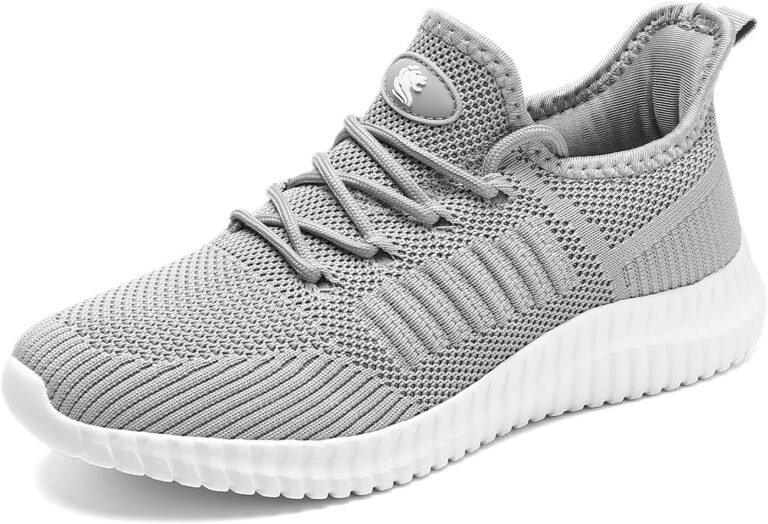
Why Walking Shoes Squeak and How to Stop the Noise
The fastest way to stop walking shoes from squeaking is to remove the insole and sprinkle a thin layer of baking soda or baby powder underneath. This absorbs the moisture that is usually causing the noise. You should also check the tongue of the shoe, since friction between the tongue and the laces is a common culprit.
Squeaks can come from several different places, and you need to find the source first. We found that moisture buildup inside the shoe, worn-out soles, and loose internal parts are the main reasons your steps make noise. Whether it is a rubber sole rubbing against a hard floor or a sneaker that got wet in the rain, there is a quick fix that will make it stop.
- Dry out the shoe completely using a fan or newspaper to kill moisture squeaks.
- Apply baby powder under the insole and around the tongue to reduce friction.
- Check the outsole for trapped pebbles or worn-down tread that rubs on the ground.
- Tighten or loosen the laces to see if the tongue is rubbing against the upper.
- Use a drop of lubricant (like WD-40) on metal eyelets or broken shanks if the noise is metallic.
Below, we break down exactly how to fix each type of squeak step by step so you can get back to walking quietly. Let’s walk through these simple solutions and get your shoes silent again.
Quieting Your Walking Shoes Step by Step
You do not need to buy new shoes to fix a squeak. In most cases, you can solve the problem in under ten minutes with items you already own. We found that fixing the noise starts with locating the exact source, which usually falls into one of three categories: moisture, friction, or a worn-out part.
Before you start testing fixes, grab a few supplies. You will likely need baby powder or baking soda, a dry towel, and maybe some lubricant. Having these on hand makes the process faster and less frustrating.
Finding the Source of the Squeak
Put the shoes on and walk slowly. Pay close attention to when the noise happens. Does it happen on every step or only when you push off? Does it stop on carpet but start on hardwood? These clues will point you to the problem area.
Press on different parts of the shoe with your hand while you walk. Squeeze the sides, bend the toe, and push down on the heel. The squeak often happens where two materials rub together. Listen for whether the sound comes from the bottom, the side, or near your ankle.
Common Noise Zones You Should Check
Most squeaks come from one of these five spots. Check them in this order to save time.
- The insole shifting or trapping moisture against the midsole.
- The tongue rubbing against the upper fabric or eyelets.
- The outsole with a small pebble stuck in the tread.
- The heel counter moving up and down against the Achilles area.
- The shank (the stiff part under the arch) that has cracked internally.
Quick Fixes for Moisture-Related Squeaks
Moisture is the number one cause of squeaky walking shoes. Sweat from your feet, rain, or even humidity can get trapped between layers. That trapped water makes a noise every time you step. We found that drying the shoe completely stops the squeak in most cases.
The easiest test is to remove the insole and feel underneath. If the foam feels damp or cool to the touch, moisture is your culprit. Fix it fast, before the dampness creates odor or damages the glue holding the shoe together.
The Powder Trick That Works Every Time
Once the shoe is dry, sprinkle a generous layer of baby powder or baking soda under the insole. Shake the shoe gently so the powder spreads evenly. Replace the insole and walk around for a minute. The powder absorbs any remaining moisture and reduces friction between the layers.
Baking soda works slightly better for odor control, while baby powder lasts longer. Either one is fine, so use what you have. Reapply the powder once a week if you walk a lot or live in a humid area.
Drying Methods That Do Not Ruin Your Shoes
Do not throw your shoes in the dryer. The heat will melt the glue and ruin the shape. Instead, use one of these safe methods to pull out the moisture.
- Stuff the shoes with crumpled newspaper and let them sit overnight.
- Place them near a fan or a dehumidifier for a few hours.
- Use a shoe dryer if you have one, set to a low or no-heat cycle.
Many guidelines recommend air drying over heat to preserve shoe structure (American Podiatric Medical Association). If your shoes got soaked, give them a full day to dry completely before you wear them again.
Stopping Friction Noises Between Parts
Not all squeaks come from water. Sometimes the materials just rub together and make noise. This is common in new shoes that have not been broken in yet. It also happens in older shoes where the stitching has loosened over time.
We found that friction squeaks respond well to lubrication or padding. The goal is to stop the rubbing or make the surfaces glide smoothly past each other.
Treating the Tongue and Laces Area
The tongue is a classic squeak spot. It rubs against the inside of the upper every time you walk. To fix it, rub a small amount of petroleum jelly or a silicone-based lubricant on the inside of the tongue. Wipe off any excess so it does not stain your socks.
You can also try loosening the laces slightly. Sometimes the laces pull the tongue too tight against the upper, creating constant friction. A simple adjustment might solve the problem instantly.
Dealing with Metal Eyelets
If the squeak sounds metallic, the eyelets are likely the source. The laces moving through the metal rings can create a high-pitched noise. Put a single drop of lubricant on each eyelet, then work the laces back and forth a few times.
Be careful with liquid lubricants near fabric. They can leave a grease stain. Use a cotton swab to apply the lubricant precisely. Wipe away any excess immediately with a clean cloth.
Fixing Squeaks Coming from the Sole
A squeaky sole is annoying because the noise is right under you. The good news is that most sole squeaks are easy to fix. Start by flipping the shoe over and inspecting the tread carefully. You are looking for small stones, glass shards, or debris wedged in the grooves.
Use a toothpick or a small screwdriver to pry out anything stuck in the tread. We found that a surprising number of “broken” shoes are just carrying around a tiny pebble. Removing the debris takes thirty seconds and completely solves the problem.
Worn Tread and Slippery Surfaces
When the tread wears down, the rubber can become smooth. Smooth rubber on polished floors creates a suction effect. That suction releases with a squeak on every step. If your tread looks smooth or shiny, the shoe is reaching the end of its life.
You can extend the life briefly by roughing up the sole with coarse sandpaper. This creates friction and reduces the suction noise. But this is a temporary fix. Walking shoes typically last between 300 and 500 miles before the cushioning and tread break down (Mayo Clinic).
Addressing Loose Outsoles
Sometimes the outer rubber sole separates slightly from the midsole. This creates a flap that slaps and squeaks as you walk. Press on the edges of the sole to check for separation. If you see a gap, apply a strong rubber cement or shoe glue, clamp it, and let it dry for 24 hours.
This fix works well and saves you from buying new shoes. Just make sure the surfaces are clean and dry before applying the glue. Use a small clamp or heavy books to hold the pieces together while the adhesive cures.
When Internal Damage Causes the Noise
Sometimes the squeak comes from inside the shoe where you cannot see. The shank, which is a stiff insert under the arch, can crack over time. When it breaks, the two pieces rub together with every step, creating a creaking noise that sounds like a squeak.
To check, bend the shoe in half. If you hear or feel a clicking or grinding, the shank is likely broken. There is no reliable fix for a broken shank. The shoe has lost its structural integrity, and continuing to walk on it could lead to foot pain or injury.
When to Replace Your Squeaky Shoes
Knowing when to stop fixing and start shopping saves you time. If you have tried the powder, the drying, and the lubrication, but the squeak persists, the shoe is probably done. Continuing to wear a broken shoe is not worth the risk.
| Squeak Source | Best Fix | Time Needed |
|---|---|---|
| Moisture under insole | Dry out and add powder | 10 minutes + drying time |
| Tongue friction | Lubricate or adjust laces | 5 minutes |
| Debris in tread | Remove with toothpick | 2 minutes |
| Loose outsole | Reglue and clamp | 24 hours for glue to set |
| Broken shank | Replace the shoes | Immediate |
Preventing Future Squeaks
You can avoid most squeaks with a little prevention. The main goal is keeping your shoes dry and clean. Rotate between two pairs of walking shoes so each pair has time to air out fully. This simple habit cuts down on moisture buildup more than anything else.
Wear the right socks. Thick cotton socks trap sweat against the shoe material. Moisture-wicking socks pull sweat away from your feet, keeping the inside of the shoe dryer. Many experts say that breathable socks make a noticeable difference in shoe hygiene and comfort (Centers for Disease Control and Prevention).
Give your shoes a weekly check. Run your hand over the sole to feel for debris. Wipe the tongue and collar with a dry cloth. Look at the heels for wear patterns. A two-minute inspection once a week can catch small problems before they turn into loud, annoying squeaks.
Your Simple Squeak-Proof Checklist
Use this checklist once a week to keep your walking shoes quiet and comfortable.
- Inspect the tread for rocks, shards, or worn-down rubber.
- Remove the insoles and let them air out for an hour.
- Check for loose seams or separation between the sole and upper.
- Sprinkle powder under the insole as a preventative measure.
- Bend the shoe to test for internal cracking or grinding noises.
- Replace worn laces that may be creating friction at the eyelets.
If you follow these steps, you are likely to catch issues before they start making noise. A squeaky shoe is almost always preventable with a bit of regular care. And if you ever do hear that telltale chirp, you now have a clear plan to silence it for good.
Conclusion
Squeaky walking shoes are annoying, but they are almost never a reason to buy new ones. You learned that most squeaks come from moisture, friction, or a small piece of debris. A quick sprinkle of powder under the insole fixes the most common culprit. Checking the tread and tongue takes less than five minutes.
Start with the simplest fix first. Dry your shoes out, add powder, and take a close look at the sole. You will solve the problem in most cases right there. If the noise sticks around after trying these steps, the shoe might be worn out. Listen to your feet and replace them if needed. Your quiet walks are just a few minutes away. If you decide to replace them, our roundup of the best walking shoes and boots can point you to durable options.
Frequently Asked Questions
Why do my new walking shoes squeak?
New shoes often squeak because the materials are still stiff and not broken in yet. The tongue or collar can rub against the upper, creating friction noise. Give them a few walks to soften up. If the squeak stays, apply a little powder or lubricant to the rubbing spot.
Can I use olive oil to stop my shoes from squeaking?
You can, but we do not recommend it. Olive oil can go rancid and leave a bad smell in your shoes. It can also stain the fabric. Stick with baby powder, baking soda, or a silicone-based lubricant instead. Those options are safer for your shoes and your socks.
Will squeaky shoes go away on their own?
Sometimes, but you should not count on it. Squeaks caused by new shoes might fade after a few wears. Squeaks from trapped moisture or debris will not fix themselves. You need to actively dry the shoe or remove the pebble. A quick check is always worth your time.
Does shoe polish help with squeaking?
Shoe polish is not the best tool for squeaks. It can soften the leather or fabric, but it does not reduce friction between internal layers well. You are better off using powder under the insole or a tiny bit of petroleum jelly on the tongue. These target the actual source of the noise.
Why do my shoes only squeak on certain floors?
Hard, polished floors like tile or hardwood can cause a suction effect with smooth rubber soles. This makes a squeak with every step. Carpet absorbs the sound and prevents the suction. If this happens, check your tread for smooth spots. Roughing up the sole with sandpaper can help temporarily.