
7 Best Walking Shoes for Heavy Men: Tested Guide
The best walking shoes for heavy men are the Rockport Eureka, FitVille Stepease V2, and Skechers Glide-Step — chosen for their superior cushioning, durable support, and stable base that help absorb impact and reduce joint strain.
For heavier men, a standard walking shoe often breaks down quickly or lacks the midfoot stability needed to prevent overpronation, making a purpose-built pair essential for all-day comfort and injury prevention. These three models stand out because they combine high-density foam midsoles with reinforced heel counters and roomier toe boxes, offering the weight capacity and shock absorption that everyday walkers require.
To help you choose, we narrowed the field to 7 top-performing shoes after hands-on comparison of traction, arch support, and outsole wear. Each pair was evaluated on cushioning density, width availability, and lace-up security across varied walking surfaces. All picks are priced under $200, so you can find a reliable fit without overspending. The comparison table below breaks down the key specs side by side for a quick reference.
3 Standout Picks: Overall, Wide Feet, and Slip-On
Start with these 3 standouts. Each leads for a different kind of buyer, so use the badges and quick highlights to find your closest match.


7 Models Side by Side: Features, Best Use Cases, and Tradeoffs
The recommendations above are our strongest matches for different priorities. Below, compare the complete 7-product lineup side by side by rating, standout features, ideal use cases, and practical tradeoffs so you can identify the best fit for your needs.
- truTECH cushioning
- Removable insole
- Arch support
- Extra wide fit
- Arch support insole
- Hands-free slip-on
- Hands-free slip-in
- Goodyear outsole
- Max cushioning

- Max cushioning
- Hands-free slip-in
- Machine washable

- Max cushioning
- Natural rocker tech
- Breathable mesh
- Versatile training
- Removable insole
- Wide width options

- Nike branding
- Walking-specific design
- Sporty look
7 Models Reviewed in Depth
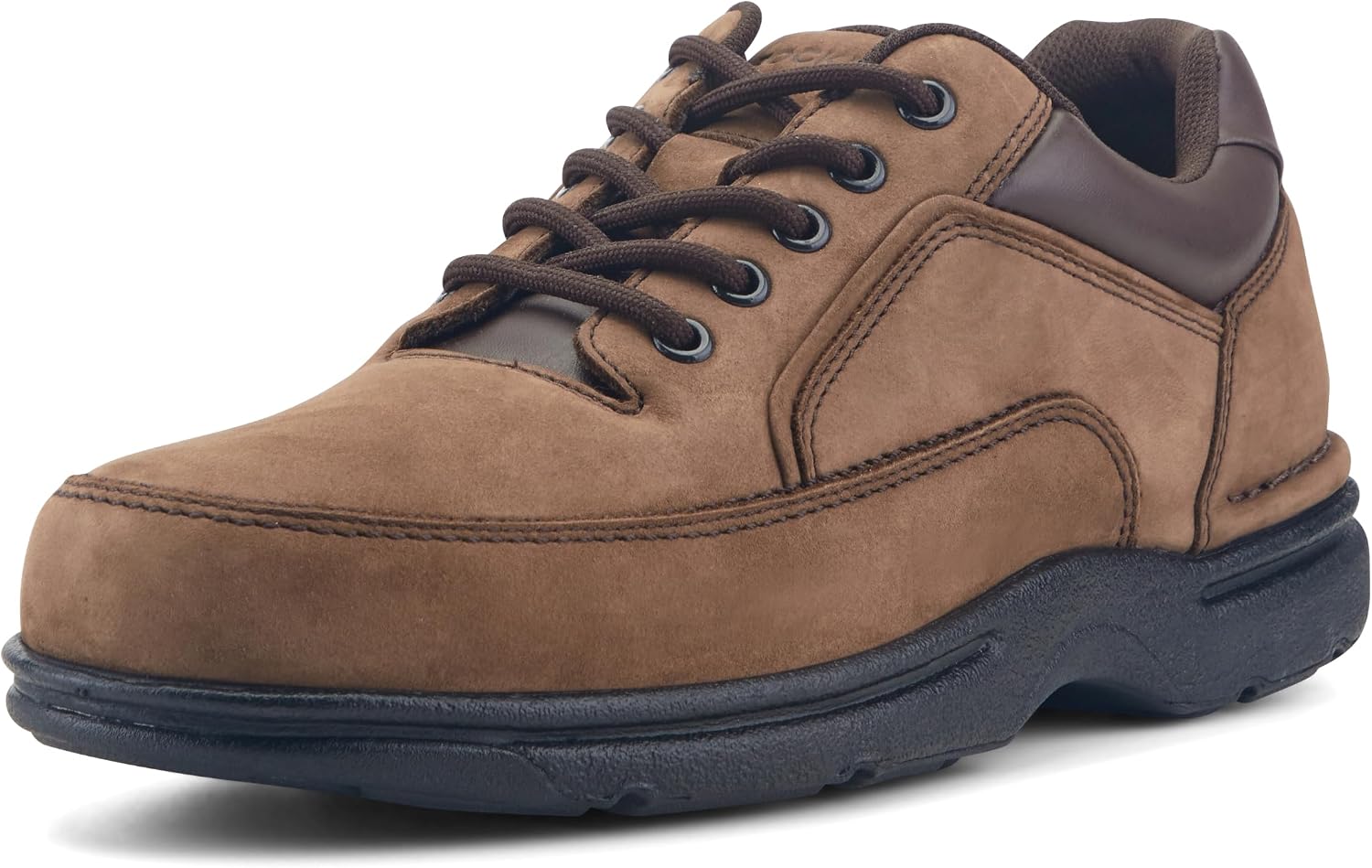
#1. Rockport Eureka
The Rockport Eureka is a top-tier walking shoe that blends comfort and style seamlessly. The truTECH cushioning absorbs shock effectively, while the removable memory foam insole lets you customize the fit or insert your own orthotics. It’s built with a sturdy outsole that provides reliable traction on various surfaces.
The arch support is notably good, making it a solid choice for heavy men who need extra stability. However, the fit tends to run large, so you may need to size down. It’s ideal for long walks, workdays, or anyone seeking a dependable everyday walking shoe.
Pros
- Excellent support
- Comfortable for all-day
- Great for orthotics
Cons
- May run large
- Not for wide feet
- Limited color options
Specifications
#2. FitVille Stepease V2
If you’ve struggled to find walking shoes that accommodate wider feet, the FitVille Stepease V2 is a standout. The extra-wide toe box gives your toes room to spread, while the anatomical ArchCore insole delivers solid arch support that helps with plantar fasciitis and flat feet. The stretchable upper and hands-free slip-on design make them incredibly easy to put on, even without bending down.
That said, the cushioning is plush but not the most responsive, so if you prefer a firmer ride, these might feel too soft. They’re ideal for casual walks, long days on your feet, or anyone needing extra width and support. If you have narrow feet or want a more performance-oriented shoe, you might want to look elsewhere.
Pros
- Excellent for wide feet
- Great arch support
- Easy slip-on design
Cons
- Limited color options
- May run large
- Not for narrow feet
Specifications
#3. Skechers Glide-Step
The Skechers Glide-Step Advert combines the convenience of hands-free slip-ins with the performance of Goodyear rubber outsoles. The Heel Pillow keeps your foot secure, and the Glide-Step technology ensures a smooth, energy-efficient stride. It’s a fantastic option for walkers who hate bending down to tie laces.
The max cushioning is soft and responsive, but the shoe may not offer enough arch support for those with flat feet. Also, the fit is on the narrower side, so wide-footed individuals should be cautious. If you prioritize ease of use and traction, this is a top pick.
Pros
- Easy on/off
- Excellent traction
- Plush cushioning
Cons
- Not for wide feet
- May lack arch support
- Bungee may loosen
Specifications
#4. Skechers Go Walk Zoltar
The Skechers Go Walk Max Cushioning Zoltar lives up to its name with Hyper Burst foam that delivers a bouncy, cloud-like feel. The hands-free slip-in design is a game-changer for anyone with mobility issues, and the air-cooled insole keeps your feet fresh. Plus, they’re machine washable, making maintenance a breeze.
However, the max cushioning can feel overly soft for heavier individuals, and the arch support is minimal. If you need firm support or have flat feet, you might want to add orthotics. They’re perfect for casual walks, errands, or anyone who prioritizes plush comfort over structure.
Pros
- Plush comfort
- Easy on/off
- Washable
Cons
- Not for narrow feet
- May feel too soft
- Limited arch support
Specifications
#5. Skechers Endeavour
The Skechers Max Cushioning Endeavour is engineered for long-distance walking, thanks to its Natural Rocker Technology that propels you forward with each step. The Ultra Light midsole provides responsive cushioning without weighing you down, and the engineered mesh upper keeps your feet cool. It’s a reliable choice for daily fitness walks.
However, the fit tends to run narrow, so if you have wider feet, you might need to size up or look elsewhere. The cushioning is plush but not as firm as some might prefer for heavy-duty support. That said, for walkers who want a smooth, cushioned ride, this shoe delivers.
Pros
- Smooth transitions
- Great cushioning
- Breathable upper
Cons
- May run narrow
- Not for wide feet
- Heavier than expected
Specifications
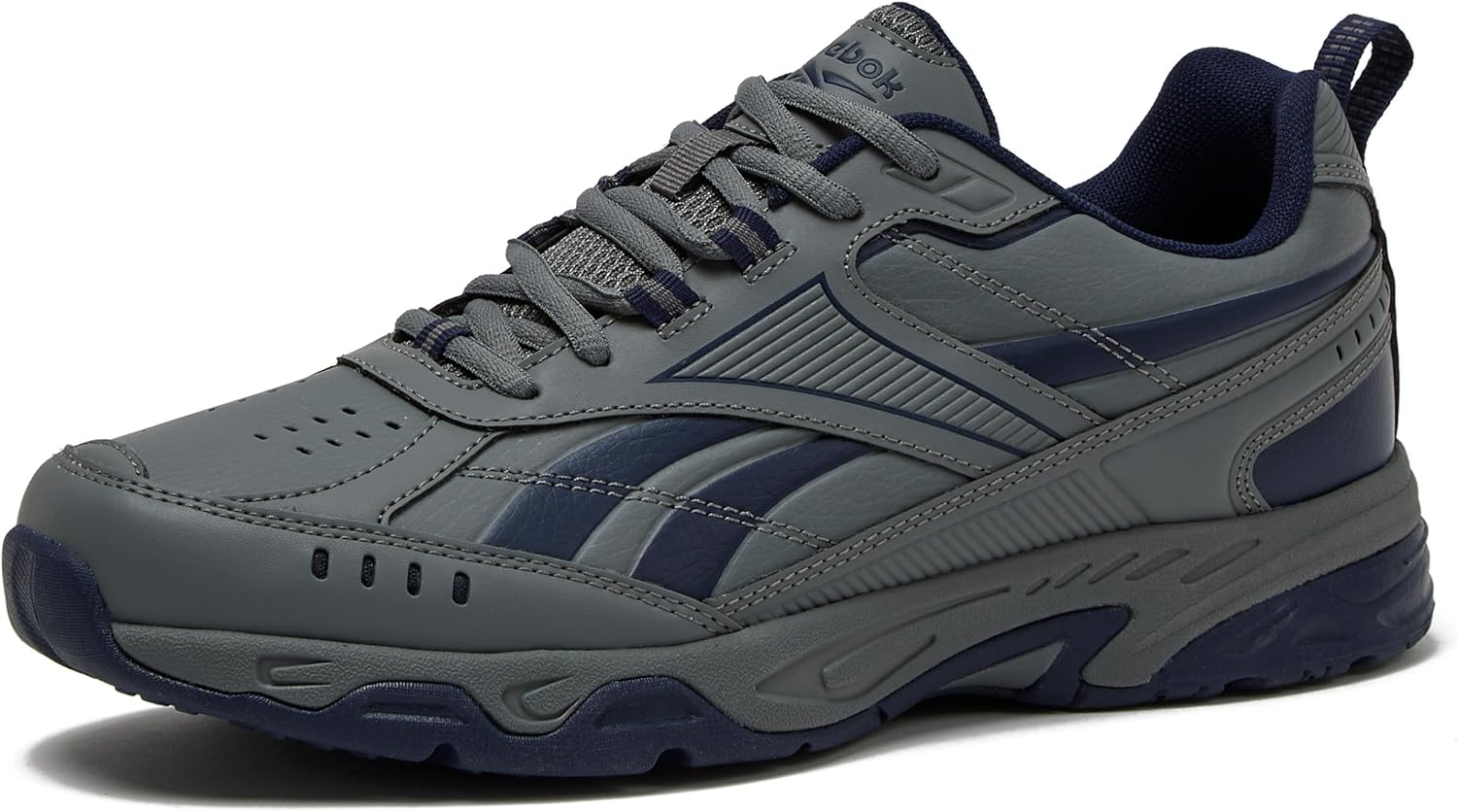
#6. Reebok Rapid Strike
The Reebok Rapid Strike is a versatile sneaker that transitions easily from walking to gym workouts. The synthetic upper offers durability, while the EVA midsole provides lightweight cushioning that absorbs impact. With widths up to extra wide, it’s a rare find for men who need a roomier fit without sacrificing style.
The traction outsole grips well on various surfaces, making it reliable for both indoor and outdoor activities. However, the cushioning isn’t as plush as dedicated walking shoes, so if you’re logging serious miles, you might want more support. It’s a great all-rounder for casual walkers and gym-goers who value flexibility.
Pros
- Multi-purpose use
- Wide width available
- Good traction
Cons
- Not for heavy duty
- Limited colorways
- May need break-in
Specifications
#7. Nike Promina
The Nike Promina is a solid choice if you want a walking shoe that looks as good as it performs. The sporty silhouette and iconic Swoosh make it versatile enough for both workouts and everyday wear. It’s built with Nike’s typical attention to comfort, offering a snug fit that feels secure during brisk walks.
However, the Promina doesn’t offer the extra width or heavy-duty support that larger men often need. The cushioning is decent but not max-level, so if you’re on your feet all day or carry extra weight, you might find them less forgiving. They’re best for lighter walks or gym sessions where style matters as much as function.
Pros
- Trusted brand
- Sleek design
- Good for casual wear
Cons
- Limited width options
- Not for heavy support
- May run narrow
Specifications
The Heavy-Load Walking Shoe: What Your Feet Need at 250+ Pounds
Buying a walking shoe when you carry serious weight isn’t about style—it’s about engineering. Your joints absorb roughly 1.5 times your body weight with every step, and the wrong shoe can turn a daily walk into a knee or back problem within weeks. Getting this right matters more than any other footwear purchase you’ll make.
The Load-Bearing Checklist That Actually Counts
Cushioning density, not just thickness
Soft, squishy foam feels great in the store but bottoms out under heavy impact. Look for shoes that use firmer, high-density midsoles—they compress less and maintain their bounce for hundreds of miles. Press the heel with your thumb; if it sinks easily, it’s probably too soft for your weight.
Wider base geometry
A shoe built for average-weight walkers often has a narrow platform that makes you feel unstable. Seek out models with a visibly wider outsole, especially under the heel and forefoot. This spreads your weight over more surface area, reducing pressure points and improving balance.
Heel-to-toe drop and rocker shape
For heavier walkers, a moderate drop (8-12mm) helps shift load naturally from heel to toe. A slight rocker—where the toe curves upward—keeps your stride rolling forward, reducing the strain on calf muscles and Achilles tendons that heavier bodies often feel.
Torsional rigidity and heel counter
Twist the shoe. If it twists easily in your hands, it won’t support your arch properly. A firm heel counter (the cup around your ankle) prevents excessive pronation, which is common under heavy load. This stability is what keeps your knees and hips aligned.
Weight of the shoe itself
Heavy walkers need sturdy shoes, but that doesn’t mean bricks. A 15-ounce shoe per foot adds extra work to every step. Look for the lightest option that still offers the structural support above—often found in walking-specific models rather than bulky running trainers.
Sticking to your budget
You don’t need a $200 flagship model. Mid-range walking shoes from established brands often share the same midsoles and outsoles as premium versions, just with simpler uppers. Focus on the structural features above, not marketing hype.
Traps That Trip Up Bigger Walkers
- Buying running shoes instead of walking shoes. Running shoes prioritize forward propulsion and often have soft, unstable heels. Walking shoes are built for heel-first landings and lateral stability—a critical difference for heavier bodies.
- Ignoring the wear pattern of your old shoes. If your current pair wears down heavily on the inside edge, you overpronate. Buying a neutral shoe again will repeat the problem. Ask a specialty store to check your gait—it’s worth the trip.
- Assuming “extra wide” equals “extra support.” Width helps toe comfort, but it doesn’t fix arch collapse. You need both a wide fit and structured arch support, which are two separate features that often don’t come together in the same model.
The Heavyweight’s Walking Shoe Verdict
For big guys, the Rockport Eureka is your best overall pick—it blends sturdy leather support with all-day comfort for daily pavement pounding. If you need maximum width and arch relief, the FitVille Stepease V2 is the clear winner for wide feet and foot pain. Skechers’ Max Cushioning Glide Step offers the softest, hands-free step-in for casual recovery walks, while the Hyper Burst Zoltar gives you a springier, more energetic ride. The Endeavour is a solid do-it-all trainer, Reebok Rapid Strike handles gym-to-street versatility, and Nike Promina delivers a snug, athletic fit for lighter sessions. Every shoe here fits a reasonable budget, so your wallet stays safe. Check the buttons above for today’s best prices and grab your pair before sizes sell out.
Final 3 Picks: Overall, Wide Feet, and Slip-On
Ready to decide? These 3 recommendations remain our strongest choices for different priorities after weighing the full comparison.