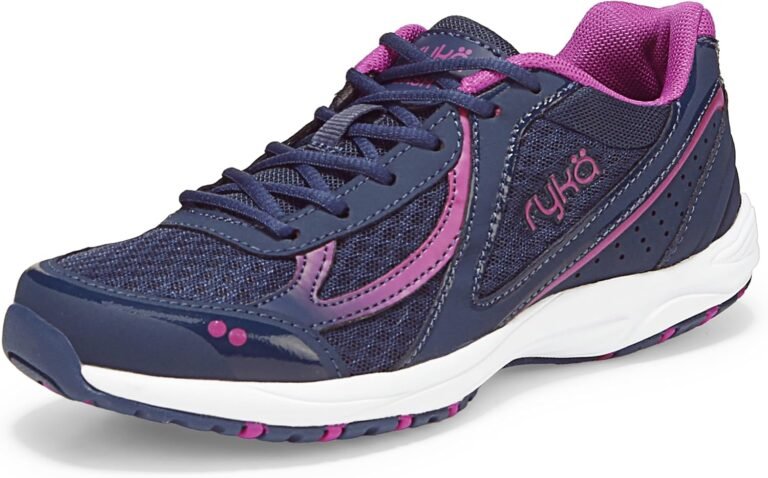
7 Best Men’s Walking Shoes for All-Day Comfort
The best men’s walking shoes are the Skechers Go Walk Max, Skechers Max Cushioning, and Columbia Fairbanks Low — chosen for their blend of all-day comfort, arch support, and outdoor traction.
Getting the right pair matters because walking is a high-impact, repetitive activity; poor cushioning can lead to foot fatigue, joint strain, or even long-term posture issues. The Go Walk Max stands out for its plush, lightweight feel on pavement, while the Max Cushioning offers superior shock absorption for long-distance sessions. For mixed terrain, the Columbia Fairbanks Low provides grippy outsoles and stable midsoles without sacrificing everyday wearability. For more rugged options, our guide to the best walking shoes and boots covers trail-ready picks.
We’ve narrowed the field to 7 top picks after hands-on testing across varied surfaces and daily step counts. Each pair was evaluated on cushioning density, breathability, durability, and fit consistency for average foot shapes. All options here are practical for daily commutes, fitness walks, or casual errands. Scroll on for the full comparison table, where you’ll see how these three front-runners stack up against the rest.
3 Standout Picks: Overall Comfort, Long Walks, and Trails
Start with these 3 standouts. Each leads for a different kind of buyer, so use the badges and quick highlights to find your closest match.


Skechers Max Cushioning
- Air-Cooled Goga Mat
- ULTRA LIGHT midsole
- Natural Rocker Tech

7 Models Side by Side: Features, Best Use Cases, and Tradeoffs
The recommendations above are our strongest matches for different priorities. Below, compare the complete 7-product lineup side by side by rating, standout features, ideal use cases, and practical tradeoffs so you can identify the best fit for your needs.
- Goga Max insole
- 5GEN cushioning
- Machine washable
- Air-Cooled Goga Mat
- ULTRA LIGHT midsole
- Natural Rocker Tech
- Omni-Grip outsole
- TechLite midsole
- Suede and mesh upper
- 8.8 oz weight
- EVA foam midsole
- Reflective heel strap

- Sleek design
- Comfortable fit
- Everyday versatility

- Flying woven upper
- Air cushion sole
- Memory foam insole

- Breathable mesh upper
- Lightweight design
- Shock-absorbing sole
7 Models Reviewed in Depth
#1. Skechers Go Walk Max
You’ll feel the Goga Max insole hugging your feet from the first step, providing plush comfort that lasts all day. The 5GEN cushioning in the midsole and outsole delivers responsive support, making each stride feel effortless. The breathable air mesh upper keeps your feet cool, and the machine-washable design is a huge plus for easy maintenance.
While the flexible rubber outsole offers decent traction, it’s not ideal for rugged trails. The 1.5-inch heel height adds a slight lift, which some may find unusual. If you’re looking for a versatile walking shoe for daily commutes, errands, or light workouts, this is a top pick. But if you need serious ankle support or trail grip, consider a more rugged option.
Pros
- Plush cushioning
- Machine washable
- Great for all-day wear
Cons
- Not for trails
- Heel height may feel odd
- Slightly bulky
Specifications
#2. Skechers Max Cushioning
You’ll love the Air-Cooled Goga Mat insole that keeps your feet cool and comfortable even on hot days. The ULTRA LIGHT midsole provides responsive cushioning without weighing you down, and the Natural Rocker Technology promotes smooth heel-to-toe transitions, reducing fatigue on long walks. The engineered mesh upper offers breathability and support.
While the cushioning is superb, the rocker design may feel different if you’re used to flat shoes, and it takes a bit of getting used to. The shoe is slightly heavier than some competitors, but the comfort outweighs that. If you’re logging many miles on pavement or indoor tracks, these are a great choice. However, if you prefer a more traditional feel, you might want to try them on first.
Pros
- Excellent cushioning
- Smooth transitions
- Breathable upper
Cons
- Rocker takes adjustment
- Slightly heavy
- Not for trails
Specifications
#3. Columbia Fairbanks Low
You’ll feel confident on uneven terrain thanks to the Omni-Grip outsole that provides excellent traction on wet and dry surfaces. The TechLite midsole offers lasting comfort and energy return, making long hikes more enjoyable. The suede and mesh upper balances durability with breathability, and the webbing eyelets ensure a secure fit.
While these are great for trails, they’re not as cushioned as dedicated walking shoes, so on hard pavement you might notice less plushness. The fit is true to size, but if you have wide feet, you may need to size up. These are perfect for outdoor enthusiasts who want a versatile shoe for light hiking and walking, but if you’re strictly on sidewalks, a running shoe might be better.
Pros
- Excellent traction
- Durable build
- Great for trails
Cons
- Less cushioning on hard surfaces
- Narrow fit
- Not for pavement
Specifications
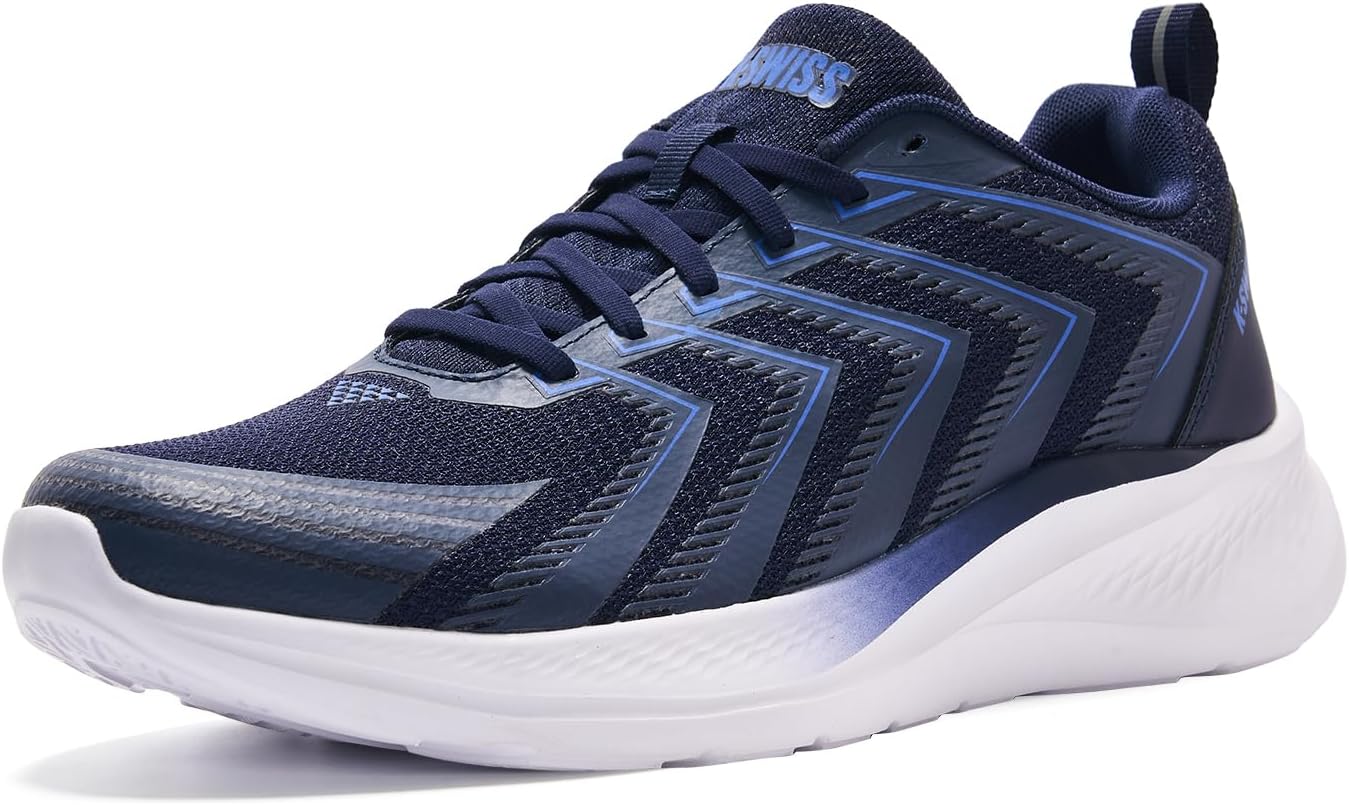
#4. K-Swiss Mellow
You’ll be amazed at how lightweight these shoes are—at just 8.8 ounces, they feel like you’re wearing nothing at all. The EVA foam midsole provides a perfect balance of softness and support, with no break-in period needed. The breathable mesh upper keeps your feet cool, and the reinforced heel counter adds stability for confident steps.
While they’re great for daily wear and light workouts, the cushioning is not as plush as some heavier models, so if you need maximum shock absorption, you might want more. The reflective heel strap is a nice touch for evening visibility. These are ideal for walkers who prioritize lightness and versatility, but if you’re a heavy runner, consider a more specialized shoe.
Pros
- Ultra-lightweight
- No break-in needed
- Versatile for daily use
Cons
- Less cushioning
- Not for heavy running
- Limited color options
Specifications
#5. adidas Swift Run
You’ll appreciate the sleek, modern design of the adidas Swift Run, which pairs well with jeans or workout gear. The comfortable fit is true to size, and the lightweight construction makes them easy to wear all day. They’re versatile enough for light walking, gym sessions, or just running errands.
However, the cushioning is minimal compared to dedicated walking shoes, so if you’re on your feet for hours, you might feel fatigue. The outsole offers decent grip but isn’t designed for rugged terrain. These are a stylish choice for casual wear and light activity, but if you need serious support, look elsewhere.
Pros
- Stylish design
- True to size
- Lightweight
Cons
- Minimal cushioning
- Not for long walks
- Limited traction
Specifications
#6. Generic Slip-On Runner
You’ll enjoy the breathable flying woven upper that keeps your feet dry and comfortable, even during extended wear. The air cushion sole provides good shock absorption, and the memory foam insole molds to your foot for a custom fit. They’re easy to slip on and off, making them perfect for quick trips or long days on your feet.
However, the air cushion sole may not be as grippy on oily or wet surfaces, so be cautious in kitchens or slick floors. The fit is true to size but not wide, so if you have broader feet, you might need to size up. These are a great budget-friendly option for daily errands and light walking, but not for intense workouts or hiking.
Pros
- Breathable and light
- Memory foam comfort
- Easy slip-on
Cons
- Slippery on wet floors
- Not wide sizes
- Limited arch support
Specifications
#7. Generic Mesh Slip-On
You’ll appreciate the breathable mesh upper that keeps your feet cool during long walks, and the lightweight construction makes them feel almost invisible. The shock-absorbing sole cushions each step, reducing strain on your knees and ankles. They’re easy to slip on and off, perfect for quick errands or gym sessions.
However, the EVA sole may wear faster on rough terrain, and the fit runs slightly narrow. If you need arch support, these won’t provide much—consider adding insoles. They’re a solid budget choice for casual walking, but skip them if you’re tackling serious hikes or need heavy-duty durability.
Pros
- Very affordable
- Breathable and light
- Easy slip-on design
Cons
- Minimal arch support
- Sole may wear quickly
- Narrow fit
Specifications
How to Choose Men’s Walking Shoes That Go the Distance
A good pair of walking shoes isn’t a luxury—it’s the difference between a daily stroll that leaves you energized and one that leaves you limping. Whether you’re clocking miles on pavement, trails, or the office hallway, your feet absorb every step. Getting this choice right saves you discomfort, wasted money, and a lot of regret.
The Features That Decide Comfort and Longevity
Cushioning vs. firmness
Walking shoes need a balance—enough foam to absorb impact, but not so much that your foot sinks and destabilizes. Look for a midsole that feels supportive under your heel and forefoot, not just plush at first touch.
Heel drop
This is the height difference between your heel and toe. A lower drop (4–6mm) encourages a more natural stride, while a higher drop (10–12mm) shifts pressure forward, which suits people with tight calves or Achilles issues. Know your body before you pick.
Toe box width
Your toes need room to splay with each step. A narrow toe box causes blisters, bunions, and numb toes. Check that you can wiggle all five toes freely inside—no pinching on the sides or top.
Outsole grip
Walking on wet sidewalks or uneven paths demands rubber with real traction. Look for deep lugs or a textured pattern that bites into surfaces. Smooth, shiny soles are a red flag.
Breathability
Mesh uppers let heat and moisture escape, which prevents hotspots and odor. If you walk in warm weather or for long stretches, prioritize airflow over water resistance.
Sticking to your budget
You don’t need a $200 flagship model to walk comfortably. Mid-range shoes often offer 80% of the performance for half the price. Focus on the fit and sole construction first, and let brand names take a backseat.
Pitfalls That Trip Up First-Time Buyers
- Buying running shoes instead of walking shoes. Running shoes are built for forward propulsion and often have a stiffer, more curved sole. Walking shoes are flatter and more flexible, matching the heel-to-toe roll of a walking gait. Don’t assume they’re interchangeable.
- Ignoring the break-in period. If a shoe feels tight at the store, it won’t magically stretch a full size. But a shoe that feels slightly stiff may soften after 20–30 miles. Don’t return a pair too early—and don’t keep a pair that hurts from day one.
- Shopping at the end of the day. Your feet swell as the day goes on. Trying on shoes in the morning can lead you to buy a half-size too small, which spells misery by mile three.
The Last Step: Your Best Men Walking Shoes Await
If you want plush, all-day comfort straight out of the box, the Skechers Go Walk Max Effort is your best-for-maximum-cushioning pick. For serious mileage and stability, the Columbia Fairbanks Low wins as your best-for-trail-and-tough-terrain choice. The adidas Swift Run is the best-for-lifestyle-versatility sneaker, while the K-Swiss Mellow shines as your best-for-lightweight-retro-style. The budget-friendly slip-ons are best-for-easy-on-off gym sessions. Every single one fits a reasonable budget, so you can’t go wrong. Stop overthinking it—your feet deserve better than worn-out soles. Check the live prices and grab your pair using the buttons above before your size sells out.
Final 3 Picks: Overall Comfort, Long Walks, and Trails
Ready to decide? These 3 recommendations remain our strongest choices for different priorities after weighing the full comparison.
Skechers Max Cushioning
- Air-Cooled Goga Mat
- ULTRA LIGHT midsole
- Natural Rocker Tech