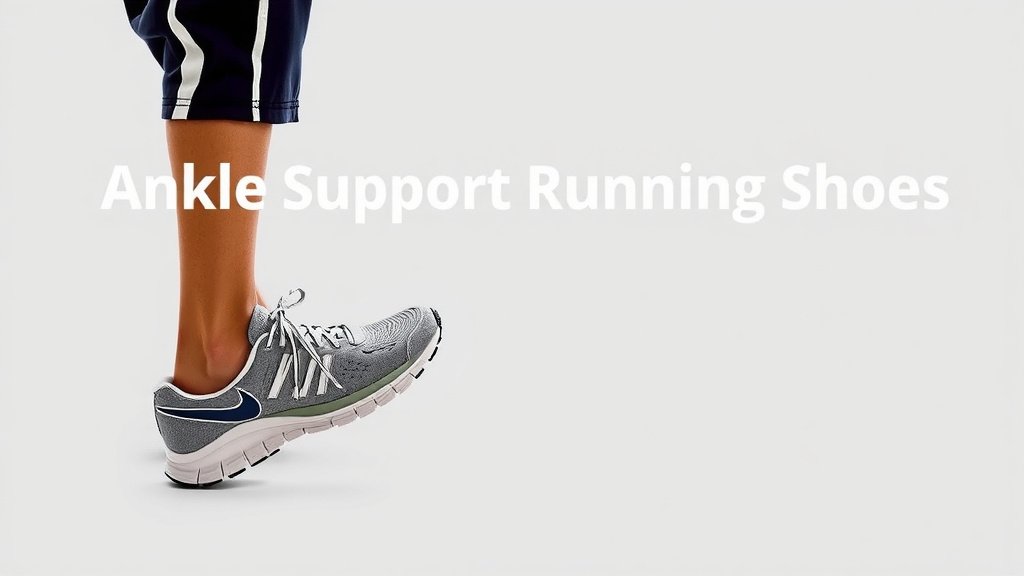
Ankle Support Running Shoes: Your Guide to Choosing Wisely
Choosing running shoes for ankle support means looking for shoes that offer a good blend of stability and cushioning. You want shoes that help guide your foot naturally without feeling stiff. Proper support can help prevent common running injuries and make your runs more comfortable. Think of them as your running buddies for your ankles.
Many runners worry about ankle stability, especially those who have had previous sprains. We found that the right shoe can make a big difference. It’s not just about preventing injuries; it’s about feeling more confident with every stride. Pay attention to the shoe’s arch support and heel counter for the best results.
- Look for shoes with good stability features.
- Consider the amount of cushioning you need.
- Don’t forget about arch support and heel fit.
- Try shoes on before you buy them.
- Your comfort is the biggest indicator.
Let’s walk through exactly how to pick the best running shoes for your ankles step by step.
Finding the Right Running Shoes for Ankle Support
Choosing the right running shoes is key to happy ankles. You want shoes that offer a helpful balance. They should support your ankle without feeling stiff or restrictive. We found that finding this balance can make a big difference in your runs. It can help prevent those annoying aches and pains.
Think of your ankles like hinges. They need to move freely but also have a bit of guidance. Running shoes can provide this. They are designed to work with your foot’s natural motion. We’ll guide you through what to look for. This will help you make an informed decision for your feet.
Understanding Your Ankle’s Needs
Before you even look at shoes, it helps to understand your own feet. Do your ankles tend to roll inward or outward when you run? This is often called pronation. Overpronation means your ankle rolls inward too much. Supination means it rolls outward too much. Knowing this helps you pick the right kind of support.
Assessing Your Pronation Pattern
A simple way to check your pronation is the “wet test.” After a run, step onto a piece of paper with your wet foot. Look at the imprint. A full, wide foot imprint suggests overpronation. A very thin imprint with a lot of the arch missing might mean supination. A normal imprint shows about half of your arch. Many runners have a neutral gait, which means their foot lands and rolls in a balanced way.
If you’ve had ankle injuries, especially sprains, you might need extra support. These injuries can sometimes affect your ankle’s stability. We found that shoes with good **stability features** are often recommended for runners with a history of ankle issues. They can help guide your foot and reduce stress on the joint. Your comfort is always the **best guide**, though.
Key Features for Ankle Support in Running Shoes
Several parts of a running shoe contribute to ankle support. It’s not just one magic component. It’s a combination of design elements working together. Let’s break down what matters most.
Stability vs. Neutral Shoes
Running shoes generally fall into two main categories: neutral and stability. Neutral shoes are designed for runners with a neutral gait. They offer cushioning and shock absorption. Stability shoes are built for runners who overpronate. They have features to help control the inward roll of the foot. Some stability shoes also help guide those who supinate, but it’s less common. For ankle support, stability shoes are often a good starting point.
The Role of the Midsole
The midsole is the cushioned layer between the upper and the outsole. It’s where much of the support and shock absorption happens. Stability shoes often have denser foam or plastic inserts on the medial side (the inner side of the shoe). This is called a **medial post**. It helps slow down the rate of pronation. We found that different brands use various technologies here, but the goal is similar: controlled movement.
Understanding Cushioning Levels
Cushioning is also important for comfort and impact absorption. It doesn’t directly provide ankle support, but it helps reduce the overall stress on your legs and feet. Some runners prefer a lot of plush cushioning. Others like a firmer, more responsive feel. Your preference plays a role in how comfortable your run feels, which indirectly affects how your ankles feel. We found that a balance between cushioning and support is usually ideal.
The Importance of the Heel Counter
The heel counter is the stiff cup at the back of the shoe. It cradles your heel and helps keep it in place. A good heel counter will feel snug but not constricting. It prevents your heel from slipping and provides a stable base for your foot. We found that a well-fitting heel counter is **essential for overall foot stability**, which benefits your ankles.
What About Arch Support?
Arch support is related to pronation. If you have high arches, you might need shoes with more cushioning to absorb shock. If you have flat feet, you might need more support to control pronation. The shoe’s **insole and midsole** work together to support your arch. It’s not about forcing your foot into a specific position. It’s about providing gentle guidance. Many running stores can help analyze your arch type.
Trying On Running Shoes: What to Look For
Trying shoes on is non-negotiable. What feels good on someone else might not feel good on you. Sizes can vary between brands, and so can the fit. Think of it as dating for your feet!
Fit and Feel: The Non-Negotiables
When you try on shoes, pay attention to these things:
- Length: There should be about a thumb’s width of space between your longest toe and the end of the shoe.
- Width: Your foot should feel snug but not squeezed. You should be able to wiggle your toes.
- Heel Fit: Your heel shouldn’t slip up and down as you walk or jog.
- Arch Comfort: The shoe’s arch should feel like it supports your foot naturally, not like it’s pushing too hard.
- Overall Feel: Do the shoes feel comfortable right away? Don’t rely on them “breaking in” too much.
Simulate Your Run
Most specialty running stores have a treadmill. Use it! Jogging on the treadmill gives you a better feel for how the shoes perform. Pay attention to how your ankles feel. Do they feel stable? Is there any pinching or rubbing? Can you feel any discomfort that wasn’t there when you were just standing?
Consider Your Running Surface
Where do you usually run? Trails, roads, or treadmills? Different surfaces have different impacts. Trail shoes offer more grip and protection. Road shoes are typically more cushioned and flexible. If you run on varied surfaces, look for a shoe that balances these needs. We found that many runners benefit from having different shoes for different terrains if possible.

When to Seek Professional Advice
If you’re unsure about your pronation, have a history of frequent injuries, or just want expert advice, visit a **specialty running store**. They often have staff who are trained to analyze your gait. They can watch you walk and run. They can then recommend shoes that are best suited for your needs. Many podiatrists also offer gait analysis. They can provide recommendations that go beyond just shoe choice, addressing underlying biomechanical issues.
| Shoe Type | Best For | Ankle Support Focus |
|---|---|---|
| Neutral Shoes | Neutral pronation, Supination | Cushioning and flexibility. Limited motion control. |
| Stability Shoes | Overpronation | Motion control features (medial posts, guide rails) to limit inward rolling. |
| Motion Control Shoes | Severe overpronation, Flat feet | Maximum support and stability. Often firmer and less flexible. |
Your Checklist for Great Ankle Support
Here’s a quick rundown to help you find those perfect shoes:
- Check your pronation pattern (wet test or store analysis).
- Look for shoes with a good **heel counter** that fits snugly.
- Consider stability features if you overpronate.
- Ensure the shoe offers adequate cushioning for comfort.
- Try them on and jog on a treadmill if possible.
- Prioritize comfort above all else.
Conclusion
Finding the right running shoes for ankle support is all about understanding your unique foot needs and what the shoe offers. Remember to assess your pronation, pay attention to the heel counter and midsole stability, and always prioritize comfort. Don’t rush the process; trying shoes on and simulating your run is key. Your best next step is to visit a specialty running store. They can offer expert analysis and help you find that perfect pair, keeping your ankles happy mile after mile.
Frequently Asked Questions
Do I really need stability shoes if I’ve never sprained my ankle?
Not necessarily! If you have a neutral gait and haven’t experienced ankle issues, neutral shoes might be perfectly fine for you. However, if you notice your ankles rolling inward excessively, stability shoes could offer beneficial guidance to help prevent potential problems down the line.
How much cushioning is too much or too little for ankle support?
The ideal cushioning level is personal. Too little can mean less shock absorption, potentially straining your ankles. Too much can sometimes feel unstable or prevent you from feeling the ground, which also impacts balance. We found that a balance offering comfort without sacrificing responsiveness is usually best for most runners.
Can I just use my old running shoes if they still look okay?
Running shoes lose their supportive cushioning and stability features over time, usually after 300-500 miles. Even if they look fine, the midsole materials can break down. If your current shoes no longer feel supportive or comfortable, it’s time for a new pair to protect your ankles.
What’s the difference between ankle support and arch support in running shoes?
Ankle support primarily focuses on the stability and motion control around your ankle joint, often through features like a secure heel counter and a stable midsole. Arch support is about cradling and guiding the arch of your foot to help with proper alignment and shock absorption during your stride.
How often should I replace my running shoes specifically for ankle support?
For optimal ankle support, you should generally replace your running shoes every 300 to 500 miles. Keep an eye out for signs of wear like compressed cushioning, worn-out treads, or a loss of the shoe’s original structure. If your ankles start to feel achy or less stable, it’s a clear signal it’s time for new shoes.