Heel Spur Running Shoes: Your Guide to Choosing Wisely
Choosing the right running shoes for heel spurs means looking for excellent cushioning and arch support. This helps to absorb shock and reduce strain on your plantar fascia. You want shoes that offer a stable heel counter to keep your foot in place.
Heel spurs can make every step feel like walking on glass. The right footwear is key to finding relief and continuing your running routine. We’ve looked into what makes a running shoe great for this condition. It’s all about finding that perfect balance of comfort and support.
- Prioritize shoes with plenty of cushioning.
- Seek out designs offering strong arch support.
- Look for a shoe that provides a secure heel fit.
- Consider shoes designed for motion control if needed.
- Don’t forget about a generous toe box for comfort.
Let’s walk through exactly how to pick the best running shoes to help manage your heel spur pain.
So, you’ve got heel spurs and running is starting to feel like a chore, right? It’s totally understandable. That sharp, stabbing pain can make you dread lacing up your sneakers. But don’t hang up those shoes just yet! The right pair can make a world of difference. We’ve found that focusing on a few key features can help ease that discomfort and get you back to enjoying your runs.
Finding the Right Running Shoes for Heel Spur Pain
Choosing running shoes when you have heel spurs means you need shoes that act like little shock absorbers for your feet. They need to cushion every impact and support your arch. This helps take pressure off that painful spur.
Understanding Heel Spurs and Foot Mechanics
Heel spurs are bony protrusions on the underside of your heel bone. They often go hand-in-hand with plantar fasciitis, which is inflammation of the band of tissue that connects your heel to your toes. When you run, your feet absorb a lot of force. Without the right support, this force can irritate the plantar fascia and that spur.
Many experts say that proper footwear can significantly reduce stress on your plantar fascia (Cleveland Clinic). It’s about finding shoes that distribute pressure more evenly and limit excessive motion that can aggravate your condition.
Key Features to Look For in Your Running Shoes
When you’re shopping, keep your eyes peeled for specific features. These aren’t just fancy marketing terms; they’re designed to help your feet feel better, especially with heel spurs.
Superior Cushioning is Non-Negotiable
This is probably the most important factor. You need shoes with plenty of soft cushioning, especially in the heel. This helps absorb the shock that your heel bone would otherwise have to bear. Think of it like walking on clouds instead of concrete.
We found that shoes with EVA foam or gel inserts often provide the best shock absorption. Don’t settle for thinly padded soles. You want something that feels forgiving and plush with every stride. This helps to reduce impact on your heel.
Arch Support That Actually Supports
Your arch plays a vital role in shock absorption. If you have flat feet or high arches, your foot mechanics might be contributing to your heel spur pain. Shoes with built-in arch support help correct these imbalances. They ensure your foot lands and pushes off evenly.
We looked at different types of arch support. Some shoes offer mild support, while others provide more rigid structure. For heel spurs, a moderate to firm level of support is often best. It helps keep your foot from rolling inward too much, a common issue that can strain the plantar fascia.
A Stable Heel Counter for Security
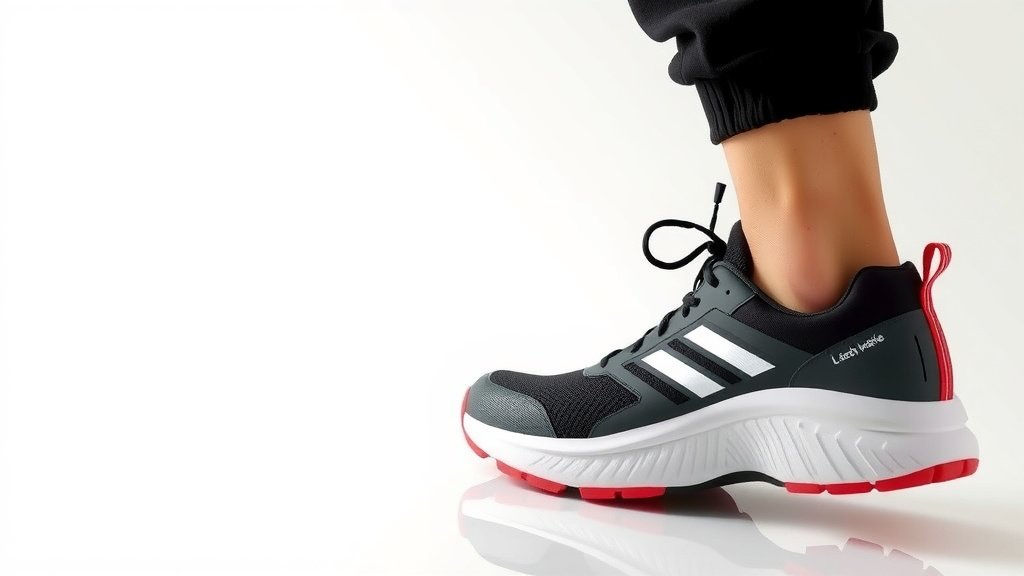
The heel counter is the stiff part of the shoe that cups your heel. A strong, firm heel counter prevents your heel from sliding around inside the shoe. This stability is key. It helps to control pronation (the inward rolling of your foot) and keeps your foot properly aligned.
When you try on shoes, give the heel area a good squeeze. If it feels flimsy or collapses easily, it’s probably not going to offer the support you need. You want something that feels secure and snug around your heel without being too tight or causing blisters.
Consider Motion Control and Stability Features
If your running gait involves overpronation (your foot rolls inward excessively), you might benefit from shoes with motion control or stability features. These shoes are designed to limit excessive foot motion and provide a more stable platform.
Many of these shoes have medial posts or guide rails to help keep your foot from collapsing inward. While they offer more support, make sure they still have adequate cushioning. We found that a balance is necessary so you don’t sacrifice comfort for stability.
Toe Box Room for Happy Toes
Don’t forget about the front of the shoe! A generous toe box gives your toes room to spread out naturally. This prevents your toes from being cramped, which can affect your overall foot posture and stride. Happy toes mean a happier run.
When you stand in the shoes, you should have about a thumb’s width of space between your longest toe and the end of the shoe. Your toes should also have enough room to wiggle freely up and down and side to side. This prevents unnecessary pressure points.
Putting It All Together: Your Shoe Shopping Checklist
Finding the perfect pair can feel overwhelming. Use this checklist to guide your next shoe shopping trip. It focuses on the most critical elements for managing heel spur pain while running.
- Check the Cushioning: Is there ample padding, especially in the heel?
- Test the Arch Support: Does it feel like it’s supporting your arch well?
- Assess the Heel Counter: Is it firm and does it hold your heel securely?
- Evaluate Stability: Do the shoes help control your foot’s motion if you overpronate?
- Inspect the Toe Box: Is there enough room for your toes to splay comfortably?
- Consider the Fit: Do they feel comfortable right away? No pinching or rubbing?
Many sources suggest that the best shoe for you will feel good from the moment you put it on. You shouldn’t need a lengthy break-in period to get comfortable. Trust your feet; they’ll tell you what feels right.
Trying Shoes On: The In-Store Experience
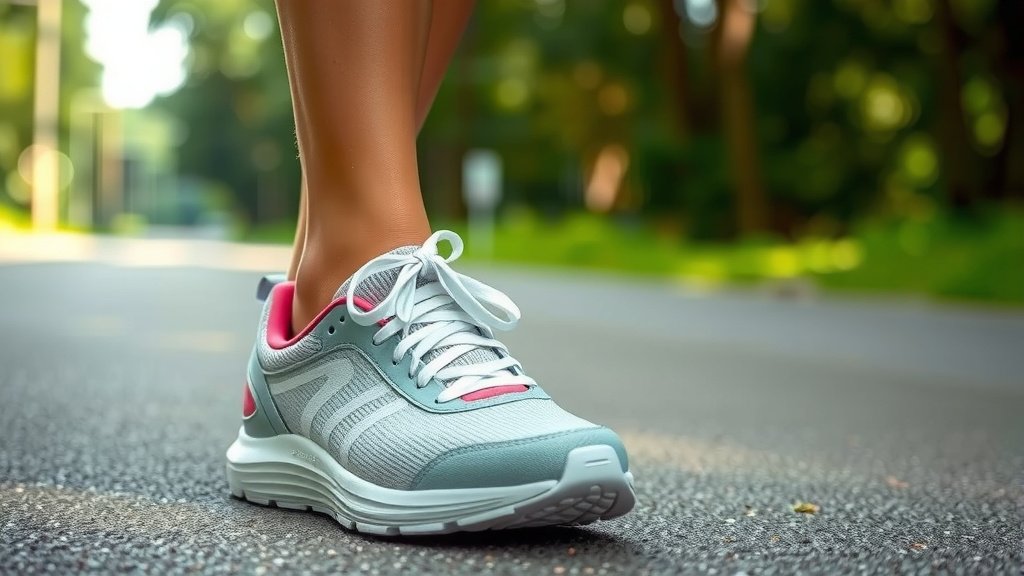
Shopping for running shoes is best done in person. Go to a specialty running store if possible. They often have knowledgeable staff who can analyze your gait and recommend shoes based on your needs.
Here’s a quick rundown of what to do when you’re actually trying shoes on:
| What to Look For | Why it Matters for Heel Spurs |
|---|---|
| Cushioning | Absorbs shock, reducing impact on the heel. |
| Arch Support | Distributes pressure evenly, less strain on plantar fascia. |
| Heel Counter | Stabilizes the heel, prevents slippage and missteps. |
| Midsole Firmness | Provides a stable base without being too rigid. |
| Flexibility (Forefoot) | Allows natural foot movement without over-bending at the spur. |
Remember to wear the type of socks you typically run in. This ensures an accurate fit. Also, try walking and jogging around the store. Pay attention to how your feet feel during these movements. Little twinges now can become big problems later.
Don’t Be Afraid to Ask for Help
The staff at running stores are there to help. Explain your heel spur pain and what you’ve experienced with past shoes. They can often point you toward models known for their comfort and support for conditions like yours. We found that their expertise can be a real game-changer.
Conclusion
Finding the right running shoes for heel spurs is your key to more comfortable miles. Remember to focus on superior cushioning, solid arch support, and a secure heel counter. These features work together to absorb shock and reduce strain on your painful spur. Don’t rush the process; try on several pairs and trust how they feel on your feet. Your next step is to visit a specialty running store and put these tips into practice. You can get back to enjoying your runs with the right footwear.
Frequently Asked Questions
Do I need special shoes if I have heel spurs?
Yes, you’ll likely need shoes with specific features to manage heel spur pain. Look for excellent cushioning and strong arch support. These elements help reduce the impact and strain on your heel with every step you take.
Can I still run with heel spurs if I have the right shoes?
Absolutely. While heel spurs can be painful, the correct running shoes can significantly ease discomfort. By providing proper support and shock absorption, the right shoes allow you to continue running with less pain.
How much cushioning is enough for heel spurs?
You need ample cushioning, especially in the heel area. This acts like a shock absorber for your foot. Think of it as needing more padding than a standard running shoe might offer.
What if I have flat feet and heel spurs?
If you have flat feet, you’ll want shoes with robust arch support. This helps correct the foot’s mechanics and distributes pressure more evenly. A stable shoe that prevents overpronation is also beneficial.
Should I replace my running shoes more often if I have heel spurs?
Yes, it’s a good idea to replace them sooner. As cushioning and support wear down, they become less effective at protecting your heel. Aim to replace your shoes every 300-500 miles or when you notice a decrease in comfort and support.