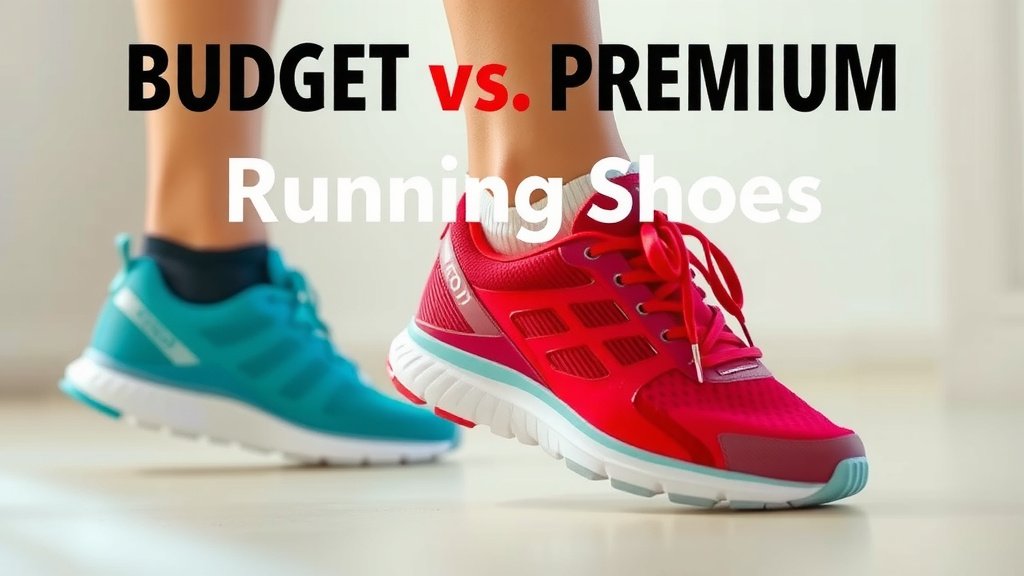
Budget vs Premium Running Shoes: Which Are Right For You
Choosing between budget running shoes and premium ones comes down to balancing cost with performance and injury prevention. While premium shoes often offer superior cushioning and durability, many budget options provide excellent support for casual runners. You don’t always need the most expensive pair to enjoy your runs safely.
Many runners wonder if the price tag truly reflects the shoe’s quality. We found that while high-end shoes can provide advanced features like better shock absorption and lighter weight, good quality can still be found at a lower price point. It’s about finding the right fit for your specific needs and running style.
- Budget shoes can be great for casual runners.
- Premium shoes often offer better cushioning and durability.
- Fit and support are key, regardless of price.
- Your running goals matter when deciding.
Let’s break down the differences between budget and premium running shoes so you can make the best choice for your feet and your wallet. Our guide to choosing daily training running shoes can help you find the right pair.
“`htmlBudget vs. Premium Running Shoes: What’s the Real Difference?
When you’re lacing up for a run, you might wonder if you really need those high-end, pricey shoes. Can a budget-friendly pair do the job just as well? We’ve looked into it, and the answer is often yes, but with some important considerations. It’s not always about the price tag. Often, the best shoe for you depends on your personal needs, your running style, and your budget.
Let’s break down what you get at different price points. Understanding these differences will help you decide where to spend your money. You want shoes that protect your feet and help you enjoy your miles, right? We found that both budget and premium shoes can meet these goals. It just requires knowing what to look for.
Understanding Shoe Technology and Materials
What Makes a Shoe “Premium”?
Premium running shoes typically come with advanced technology. You’ll often find specialized foams in the midsole. These foams are designed for better cushioning and energy return. They absorb impact more effectively. This can reduce stress on your joints during longer runs. The upper materials are also usually more advanced. They might be lighter, more breathable, or offer a more supportive fit.
Premium models might also feature innovative outsole designs. These can provide better traction and durability. Some even include carbon plates for enhanced performance. We found that these materials and technologies often come with a higher manufacturing cost. This is reflected in the retail price. You’re paying for the research and development that goes into these advanced features.
What to Expect from Budget Running Shoes
Budget running shoes still offer the essential functions of a running shoe. They provide basic cushioning and support. The materials might be simpler. They could use more traditional EVA foam in the midsole. The uppers might be less sophisticated. However, this doesn’t mean they are bad shoes. For many casual runners, they are perfectly adequate.
We found that many budget options focus on delivering reliable performance for everyday use. They might not have the latest bells and whistles. But they can still offer a comfortable and safe running experience. The key is that they are built for the purpose of running. They aren’t just repurposed sneakers. Many budget shoes still undergo design and testing processes.
Durability and Lifespan: How Long Will They Last?
Premium Shoe Longevity
Generally, premium running shoes are built with higher-quality materials. This often translates to better durability. The foams in the midsole tend to resist compression for longer. The outsoles are often made from more resilient rubber compounds. The uppers are constructed to withstand more wear and tear.
We found that a premium shoe might last between 300 to 500 miles. This can vary based on your weight, running surface, and how you land your feet. However, even with superior materials, all running shoes will eventually break down. The cushioning loses its effectiveness. The support structure weakens over time.
Budget Shoe Lifespan
Budget running shoes might have a slightly shorter lifespan. The materials used could be less robust. The cushioning foam might compress more quickly. The outsole rubber might wear down faster. We found that you might get around 250 to 400 miles from a budget pair.
It’s important to remember that shoe lifespan is an estimate. Some people wear out shoes faster. Others can make them last longer. Paying attention to how your shoes feel is more important than a mileage count. If they start feeling flat or less supportive, it’s time for a new pair, regardless of the original price.
Performance and Comfort: Does Price Dictate Feel?
The Premium Performance Edge
Premium shoes often aim to provide a noticeable performance advantage. The advanced cushioning can make runs feel smoother and more efficient. Some shoes are designed to be lighter, reducing fatigue. Others offer a more responsive feel, giving you a bit of a spring in your step.
We found that for serious runners or those training for races, these performance enhancements can be meaningful. They might help shave off seconds from a personal best. They can also contribute to a more enjoyable running experience, especially on challenging terrain or long distances. The careful engineering aims to optimize biomechanics.
Comfort and Support in Budget Options
Don’t underestimate the comfort of a good budget shoe. Many budget models provide ample cushioning and support for the average runner. They focus on delivering a stable ride. They offer enough shock absorption for daily training runs. If you’re not competing or running extreme distances, a budget shoe can feel fantastic.
We found that comfort is subjective. What feels amazing to one person might not to another. A well-fitting budget shoe is often more comfortable than an ill-fitting premium shoe. The key is finding a shoe that matches your foot shape and running gait. Many experts say proper fit is the most important factor (American Podiatric Medical Association).
Who Should Choose Which?
When to Consider Premium Shoes
You might lean towards premium shoes if you are:
- A highly competitive runner aiming for performance gains.
- Someone who runs high mileage weekly.
- A runner experiencing specific biomechanical issues that require advanced support.
- Someone who prioritizes the latest technology and feel.
- A runner who has tried many shoes and found that premium models uniquely suit your needs.
Premium shoes can offer specialized features that might be beneficial. They can provide targeted solutions for unique running demands. The investment might be justified by the performance and comfort gains for dedicated athletes.
When Budget Shoes Are a Great Choice
Budget shoes are often ideal if you:
- Are a casual runner or just starting out.
- Run shorter distances a few times a week.
- Are on a tight budget but still need reliable running shoes.
- Are looking for a versatile shoe for occasional jogs and everyday wear.
- Want to try out running without a large initial investment.
We found that for many people, budget shoes provide excellent value. They offer a good balance of support, cushioning, and durability for everyday running. You can run safely and comfortably without breaking the bank.
Making Your Final Decision: A Quick Checklist
Before you decide, ask yourself these questions:
- What is my average weekly mileage?
- What is my primary running goal (fitness, competition, enjoyment)?
- What is my budget for running shoes?
- Do I have any foot pain or injury concerns?
- How important is the latest shoe technology to me?
- Have I tried on both budget and premium options recently?
Conclusion
You’ve seen that both budget and premium running shoes can serve you well. It’s not always about the highest price tag. Your personal running needs and goals are the true guides. Premium shoes offer advanced tech for competitive runners. But budget options provide great value for everyday joggers. We found that focusing on fit, comfort, and your mileage is key. Make your next shoe choice with confidence. Go try on a few pairs to feel the difference yourself!
Frequently Asked Questions
How often should I replace my running shoes, regardless of price?
Generally, most running shoes last between 300 to 500 miles. We found this range holds true for both budget and premium pairs, though budget shoes might be on the lower end. Pay attention to how your shoes feel; if they feel flat or less supportive, it’s time for a new pair.
Can budget running shoes cause injuries?
Not necessarily. While premium shoes often have advanced cushioning for impact absorption, a well-fitting budget shoe can still provide adequate support and comfort for casual runners. Injury risk is more tied to improper fit, worn-out shoes, or pushing too hard too soon, rather than just the price point.
Is it worth buying expensive shoes if I only run occasionally?
For occasional running, a good pair of budget running shoes is usually more than sufficient. We found that you don’t need the latest technology if you’re not logging high mileage or competing. Focus on finding a comfortable, well-fitting pair that suits your foot type.
What does “energy return” mean in premium running shoes?
Energy return refers to how much of the energy you put into your stride the shoe’s midsole material gives back. Premium shoes often use special foams or plates that feel more responsive, making your run feel a bit bouncier and potentially more efficient. Budget shoes typically offer less of this effect.
How can I tell if a shoe fits properly?
A proper fit means there’s about a thumb’s width of space between your longest toe and the end of the shoe. Your heel should feel secure without slipping, and the shoe should feel comfortable around the widest part of your foot. We found that trying shoes on at the end of the day, when your feet are slightly swollen, is best.
“`