Minimalist Shoes Transition: What to Expect Now
Switching to minimalist shoes means expecting a period of adjustment for your feet and body. You’ll likely experience an initial “break-in” phase where your muscles and tendons adapt. This transition can feel different as your feet learn to move more naturally. Many people report feeling a stronger connection to the ground.
When you move to minimalist footwear, you’re essentially allowing your feet to function more as they were designed. This means expecting potential soreness as your arch and calf muscles get a workout. You might also notice changes in your stride and posture. It’s a journey that requires patience and listening to your body.
- Expect an adjustment period.
- Your muscles will strengthen.
- Pay attention to any soreness.
- Listen to your body’s signals.
Ready to learn what that adjustment period truly feels like? Let’s walk through exactly what to expect when you make the switch to minimalist shoes.
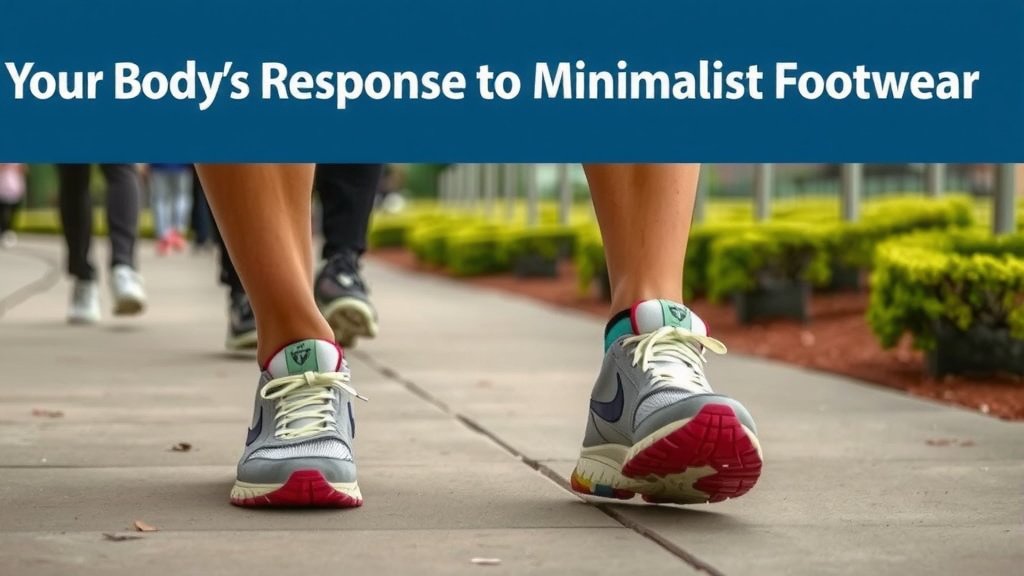
“`htmlYour Body’s Response to Minimalist Footwear
Switching to minimalist shoes is like giving your feet a new job. They’ll start working in ways they haven’t before. You might feel some initial soreness. This is perfectly normal. It means your muscles are waking up and getting stronger.
Think of it like starting a new workout routine. Your muscles will ache a bit at first. But with consistency, they become stronger and more capable. Your feet have many small muscles and tendons. They are all getting a good workout now.
Understanding the “Break-In” Period
The break-in period is your body’s way of adjusting. It can last anywhere from a few weeks to a few months. During this time, you’ll notice changes. Your feet will start to feel more sensitive to the ground. This is a good thing!
You’ll learn to land softer. Your gait will naturally change. You might find yourself taking more steps per minute. This is often called increasing your cadence. It helps reduce the impact on your legs and feet.
What Kind of Soreness to Expect
Most people report feeling soreness in their calves. Your arches might also feel a bit tired. This is because these areas are doing more work. They are stabilizing your foot as you walk and move.
We found that mild soreness is a good indicator. It shows your body is adapting. However, sharp or persistent pain is not normal. If you experience this, it’s time to rest. You may need to slow down your transition. Consulting a physical therapist can also be helpful.
Calf and Arch Muscle Engagement
Your calf muscles help push you off the ground. In traditional shoes, this push is often assisted by the heel lift. Minimalist shoes have no heel lift. Your calves have to do all the work. This is why they might feel fatigued initially.
Similarly, your arch acts as a natural shock absorber. Traditional shoes often have arch support built-in. This can make your arch muscles a bit lazy. Minimalist shoes encourage your arch to engage and strengthen naturally.
Sensory Changes and Ground Feel
One of the most surprising aspects is how much you’ll feel the ground. Minimalist shoes have very thin soles. This allows for a direct connection to the surface beneath you.
It’s like taking off thick gloves to feel the texture of an object. You’ll notice differences between pavement, grass, and gravel. This heightened awareness can be very grounding. Some people describe it as feeling more connected to their environment.
The Importance of Proprioception
This increased ground feel directly improves proprioception. This is your body’s ability to sense its position and movement. Your feet have thousands of nerve endings. Minimalist shoes allow them to send more information to your brain.
This can lead to better balance and coordination. You’ll be more aware of where your feet are in space. This can help prevent stumbles and falls. It’s a natural upgrade to your body’s internal GPS system.
Navigating Different Surfaces
You’ll quickly learn which surfaces feel best. Smooth, even surfaces are usually easiest at first. Uneven terrain will require more attention. You’ll need to focus on placing your feet carefully.
This doesn’t mean you can’t walk on varied surfaces. It just means you’ll develop a new skill. You’ll learn to read the ground and adjust your steps accordingly. It’s a fascinating process of learning your environment.
Adjusting Your Movement Patterns
Minimalist shoes encourage a more natural gait. This often means shifting from a heel strike to a midfoot or forefoot strike. Traditional shoes, with their thick heels, make heel striking easy and comfortable.
When you heel strike in minimalist shoes, the impact travels up your leg. Your body quickly learns to avoid this. You’ll naturally start landing more softly on the middle or front of your foot.
Stride and Posture Shifts
Your stride might become shorter. Your cadence, as mentioned, will likely increase. Your posture may also change. You might stand taller with a more aligned spine.
This is because your feet are now acting as they should. They are supporting your entire body’s structure from the ground up. A strong, mobile foot leads to better overall alignment.
The Role of Foot Strength
Your feet will get stronger. The muscles that were once less active will be engaged. This is a positive change. Stronger feet mean better support for your entire body.
Research suggests that a strong foot arch can improve shock absorption. It can also help distribute pressure evenly across your foot (PubMed Central). This contributes to better foot health over time.
Pacing Your Transition: A Checklist
It’s crucial to transition slowly. Don’t rush the process. Your body needs time to adapt. Listen to what it’s telling you.
Here’s a simple checklist to guide you:
- Start with short walks on flat surfaces.
- Gradually increase your time spent in minimalist shoes.
- Listen for any signs of excessive soreness or pain.
- Incorporate rest days for your feet.
- Don’t be afraid to switch back to your old shoes if needed.
- Focus on your gait and landing softly.
Remember, this is a journey, not a race. Every step you take in minimalist shoes is a step towards more natural foot function.
“` “`htmlConclusion
Transitioning to minimalist shoes is a rewarding journey for your feet. You’ve learned that a period of adjustment is normal, leading to stronger muscles and a better connection to the ground. Expect some initial soreness as your calves and arches wake up, and pay close attention to your body’s signals to avoid pain. By pacing your transition and focusing on natural movement, you’re setting yourself up for healthier, more capable feet. Ready to take your next step? Start with short, mindful walks on familiar surfaces and gradually increase your time in your new footwear.
Frequently Asked Questions
How long does the break-in period for minimalist shoes typically last?
The break-in period can vary greatly, usually lasting from a few weeks to a couple of months. During this time, your feet and lower leg muscles gradually strengthen and adapt to the new shoe type. Listen to your body; if you feel excessive soreness, it’s a sign to slow down your transition.
Is calf soreness normal when switching to minimalist shoes?
Yes, mild calf soreness is very common when you first switch to minimalist shoes. Your calf muscles have to work harder to provide propulsion and shock absorption without the assistance of a heel lift found in traditional shoes. This soreness usually subsides as your muscles strengthen.
Should I avoid certain surfaces when first wearing minimalist shoes?
Initially, it’s wise to stick to smoother, more predictable surfaces like flat paths or indoors. As your feet get stronger and your proprioception improves, you can gradually introduce more varied terrain. This allows your feet to learn how to navigate different textures and unevenness safely.
What should I do if I experience sharp pain while transitioning?
Sharp or persistent pain is a signal to stop. This is not normal soreness and indicates you might be pushing your body too hard or too fast. Rest your feet, consider reducing the time you spend in minimalist shoes, and if the pain continues, consult a healthcare professional like a physical therapist.
Can minimalist shoes help improve my posture and balance?
Many people report improvements in posture and balance after switching to minimalist shoes. By strengthening foot muscles and improving your ground feel, you enhance your body’s natural ability to sense its position. This increased proprioception can lead to better overall alignment and stability.
“`