Choosing Running Shoes for Bad Hips: A Guide
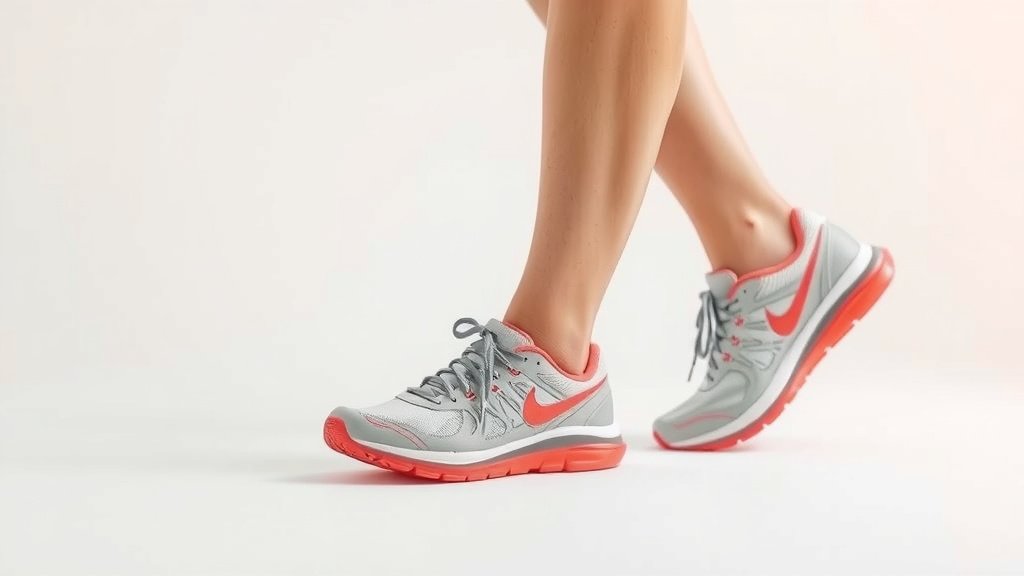
Choosing the right running shoes when you have bad hips is all about finding the right support and cushioning. Look for shoes with a stable midsole to limit excessive foot motion and good shock absorption to reduce impact. This combination can help ease hip pain and make your runs more comfortable.
Many runners with hip issues benefit from shoes that offer a little extra stability. We found that a good balance of cushioning and support is key. It’s not just about softness; it’s about how the shoe controls your foot’s natural movement, especially as you get tired.
- Prioritize shoes with excellent cushioning.
- Seek out models offering good medial support.
- Consider a slightly wider toe box for comfort.
- Don’t forget to try them on with your running socks.
- Listen to your body above all else.
Let’s walk through exactly how to pick the best running shoes for your hip health, so you can get back to enjoying your runs.
Finding the Right Running Shoes for Hip Pain
When your hips ache, picking running shoes feels more like a science experiment. You want comfort, but you also need support. We’ve found that the right shoe can make a real difference in how your hips feel mile after mile.
Understanding Your Hip’s Needs
Your hips are complex joints. They handle a lot of impact during running. When they’re unhappy, it’s usually because of too much stress. This stress can come from weak muscles, poor form, or even the shoes you wear.
Why Support Matters for Your Hips
Think of your shoes as tiny support systems for your entire body. For bad hips, this support is key. It helps keep your body in better alignment. This can reduce the strain on your hip joints. We found that shoes with good stability features are often recommended.
The Role of Cushioning
Cushioning is your shock absorber. When you land with each stride, cushioning softens the blow. This is especially important if your hips are sensitive. More cushioning means less direct impact. Many runners with hip pain find that a soft, yet responsive, shoe helps a lot. Research suggests good shock absorption can reduce forces transmitted up the leg (American Academy of Orthopaedic Surgeons).
Key Shoe Features to Look For
So, what specific things should you look for on that shoe wall? It’s not just about the color. Certain construction elements are more important when your hips are a concern.
Stability vs. Neutral Shoes
This is a big one. Shoes are often categorized as either neutral or stability. Neutral shoes offer good cushioning. They let your foot move naturally. Stability shoes have extra features. They help control overpronation, which is when your foot rolls inward too much. For bad hips, experts often suggest looking at stability shoes. This is because controlling excessive foot motion can lead to better hip alignment and less stress.
We found that if you’re unsure, a shoe that offers a balance of cushioning and mild stability is a safe bet. Don’t assume you need the most rigid shoe. Overly stiff shoes can sometimes cause their own problems.
Midsole Technology: The Heart of the Shoe
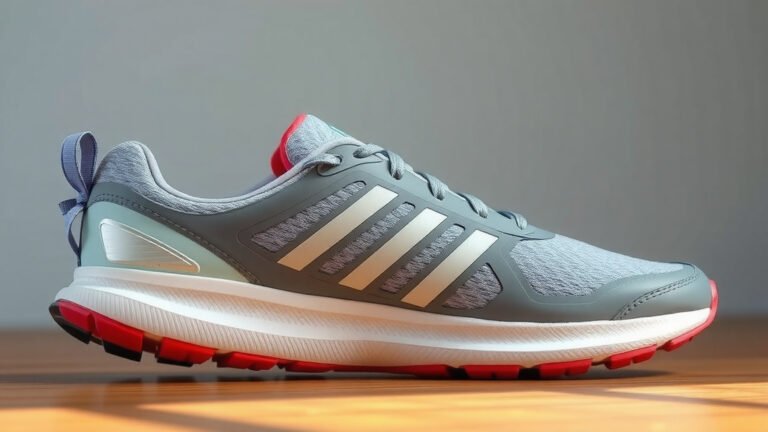
The midsole is where the magic (or lack thereof) happens. It’s the layer between the upper and the outsole. Here’s what to focus on:
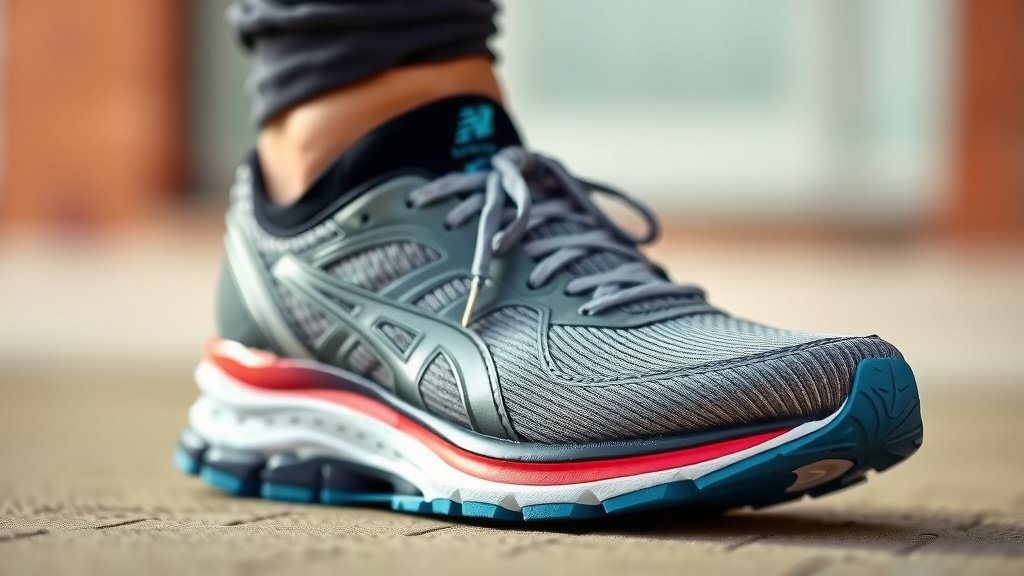
- Firmness: A midsole that’s too soft can feel good initially but might not offer enough support over time. Look for a midsole that feels firm but has some give.
- Support Features: Many stability shoes have a denser foam on the inside edge of the midsole. This is called a medial post. It helps prevent your arch from collapsing too much.
- Heel Counter: This is the plastic or firm material at the back of the shoe. A good heel counter helps lock your heel in place. This provides rearfoot stability.
Outsole and Flexibility
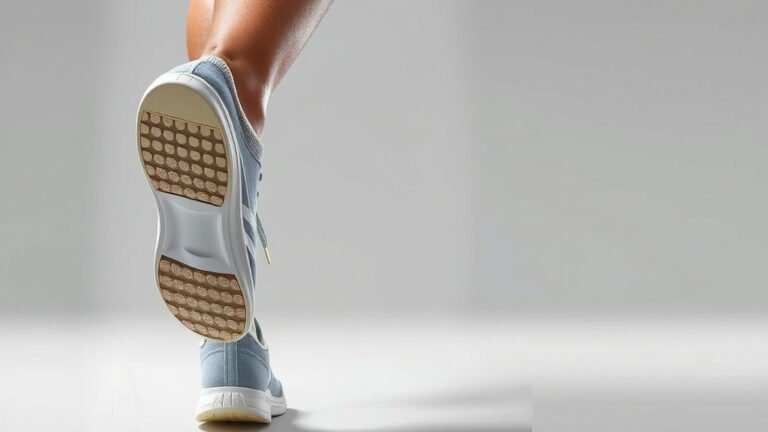
The outsole is the rubber bottom of the shoe. It provides traction. You want a durable outsole. For hip issues, the shoe’s flexibility is also worth noting. A shoe that bends too easily in the middle might not offer enough support. It should typically bend at the ball of your foot, where your toes naturally flex.
How to Shop for Your Perfect Pair
Now that you know what to look for, let’s talk about the shopping process itself. This is where you turn that knowledge into action.
Try Them On, Properly
Never buy running shoes without trying them on. And don’t just stand there! Go for a short jog in the store if possible. Wear the socks you normally run in. This is crucial because sock thickness can change the fit. You want to feel how the shoe works when your foot is in motion.
Pay attention to how they feel around your hips. Does it feel like your stride is more stable? Do you notice any new aches or pains? Listen to your body. It’s your best guide.
Consider Your Foot Type
Do you have flat feet, high arches, or something in between? Your foot type affects how you run and what kind of support you need. Some specialty running stores can analyze your gait. They’ll watch you walk or run to see how your feet move. This information can help narrow down your shoe options.
For example, if you have very flexible, flat feet that overpronate, you’ll likely need a good stability shoe. If you have high arches, you might need more cushioning and a neutral shoe. Many resources, like those from the American Podiatric Medical Association, discuss foot types and shoe recommendations.
Don’t Rule Out Width Options
Sometimes, a shoe that’s too narrow can put pressure on your feet. This pressure can travel up your legs and affect your hips. If you find shoes consistently feel tight in the forefoot, ask if they come in a wider width. A little extra room can make a big difference in comfort.
When to Seek Expert Advice
If your hip pain is severe or persistent, it’s wise to see a professional. A doctor or physical therapist can diagnose the cause of your pain. They can also provide specific recommendations for footwear and exercises.
We found that consulting with a running-specific physical therapist can be incredibly helpful. They understand the biomechanics of running. They can identify issues you might not even know you have. This can guide your shoe choices and overall training plan.
A Quick Checklist for Your Shoe Hunt
Here’s a simple way to remember what to focus on:
- Do the shoes offer good cushioning?
- Is there enough support in the midsole?
- Does the shoe feel stable without being too stiff?
- Is the fit comfortable, especially in the toe box?
- How do they feel when you jog or walk in them?
- Do they seem to help keep your stride more aligned?
Finding the right running shoes for bad hips takes a little effort. But the reward of pain-free miles is absolutely worth it. You’ve got this!
Conclusion
You’ve learned that choosing the right running shoes for bad hips is all about finding the perfect blend of cushioning and stability. Prioritizing shoes that support your natural stride while absorbing impact can significantly ease hip discomfort. Remember to try shoes on with your usual running socks and pay close attention to how they feel during movement. Don’t hesitate to seek professional advice if your pain persists. Your next step is to visit a reputable running store, armed with this knowledge, and try on a few pairs that offer the features we discussed. Happy running!
Frequently Asked Questions
Can neutral running shoes work for hip pain?
Sometimes, yes. If your hips are only mildly sensitive or you have excellent natural foot mechanics, a well-cushioned neutral shoe might be sufficient. However, many runners with hip issues find more relief with the added control a stability shoe offers.
How much cushioning is too much or too little?
Too little cushioning means you’ll feel more impact, which can aggravate hip pain. Too much soft cushioning might feel good initially but can lack the necessary support for stability. You’re looking for a balance – a shoe that feels protective but not mushy.
Should I get my gait analyzed before buying shoes?
A gait analysis at a specialty running store can be very helpful, especially if you’re unsure about your foot type or pronation. It provides objective data that can guide you towards the most suitable shoe category, whether it’s neutral or stability.
What if my hip pain gets worse after buying new shoes?
This is a clear sign to stop running in those shoes and re-evaluate. Your body is telling you something isn’t right. It’s best to return to the store or consult a medical professional to understand why the shoes aren’t working for you.
Are expensive running shoes always better for bad hips?
Not necessarily. While higher-priced shoes often use advanced materials, the most expensive option isn’t always the best fit for your specific needs. Focus on the features that provide the right cushioning and support for your hips, regardless of the price tag.