Why Toenails Turn Black From Running Explained
Your toenails are turning black from running because of repeated trauma. This usually happens when your toenails repeatedly hit the front of your running shoes. It’s often called “black toenail” or “runner’s toenail”. This condition is quite common among runners.
This black color isn’t usually a serious medical issue on its own. It’s often just dried blood or bruising under the nail. It can look alarming, but for runners, it’s a sign that your shoes might not fit quite right or that your toenails need a trim. We’ve researched this common running ailment extensively.
- Repeated impact in your shoes causes the nail to bleed.
- This is most common with downhill running or long distances.
- Properly fitting shoes are key to prevention.
- Keeping toenails trimmed is also very important.
Let’s break down why this happens and what you can do to keep your toenails happy and healthy on your runs.
Understanding Why Your Toenails Turn Black While Running
Your toenails turning black is often a sign of repeated trauma to the nail bed. This common issue, sometimes called “runner’s toenail,” happens when your toes repeatedly jam against the front of your shoe. It’s typically not a serious health concern, but it can be uncomfortable and looks a bit alarming.
The dark color is usually dried blood from minor damage under the nail. Think of it like a bruise, but on your toenail. We found that this is especially common with longer runs or during downhill training. This is because gravity can push your foot forward inside your shoe more forcefully.
The Mechanics Behind Black Toenails
Let’s dive into the physical reasons behind this phenomenon. When you run, especially downhill or on long distances, your foot naturally slides forward within your shoe. Your toes then hit the front of the shoe with each step. This repeated impact is the main culprit.
Impact and Pressure on the Nail
This constant bumping and rubbing can cause tiny blood vessels under your toenail to burst. The blood then collects, creating that dark, blackish-blue appearance. It’s a visual cue that your nail is experiencing too much stress. Your body is trying to protect the nail bed.
The pressure can also cause friction. This friction can irritate the nail and surrounding skin. Over time, this irritation can lead to more significant damage and the characteristic discoloration. It’s like rubbing a spot on your skin repeatedly; it eventually gets red and sore.
Types of Running Activities That Contribute
Certain types of running put more strain on your feet and toenails. We found that downhill running is a major offender. Your feet naturally want to slide forward as you descend. This increases the impact against your shoe.
Long-distance running also plays a role. The sheer repetition of steps over many miles can amplify even minor issues. Marathon training and ultramarathons are prime examples where black toenails are frequently reported. Trail running, with its uneven terrain, can also cause your foot to shift more inside your shoe.
Factors Contributing to Black Toenails
While the running motion itself is key, other factors can make you more prone to developing black toenails. It’s rarely just one single cause, but a combination of elements.
Improperly Fitting Running Shoes
This is perhaps the most significant preventable cause. Shoes that are too small will cramp your toes. Shoes that are too large allow your foot to slide forward excessively. Both scenarios lead to that damaging impact.
When buying running shoes, fit is king. You need about a thumb’s width of space between your longest toe and the end of the shoe. This allows your foot to move naturally without jamming. Experts at the American Podiatric Medical Association often stress the importance of proper shoe fit.
Toenail Length and Shape
How you trim your toenails matters. If your nails are too long, they are more likely to hit the front of your shoe. This can lead to bruising and the black discoloration. It’s like having little levers ready to poke the shoe.
Trimming them straight across is generally recommended. Avoid rounding the corners too much. This can prevent ingrown toenails, but also helps maintain a flatter surface that’s less likely to catch on your shoe. We found that many runners benefit from a consistent trimming schedule.
Foot Mechanics and Running Form
Sometimes, the way you run can contribute. Issues like overpronation (your foot rolling inward too much) or a rigid foot strike can increase pressure on the toes. Even minor biomechanical differences can matter over hundreds of miles.
If you have unusually long second toes or toes that curl slightly, this can also increase the chances of impact. While you can’t change your foot’s natural structure overnight, understanding these can help in selecting the right shoes and making adjustments. We found that some runners benefit from gait analysis.
What the Black Color Actually Is
It’s natural to worry when you see a black toenail. But understanding what’s under the surface can ease your mind. The black color isn’t a sign of infection or a serious disease in most cases.
Accumulated Blood and Bruising
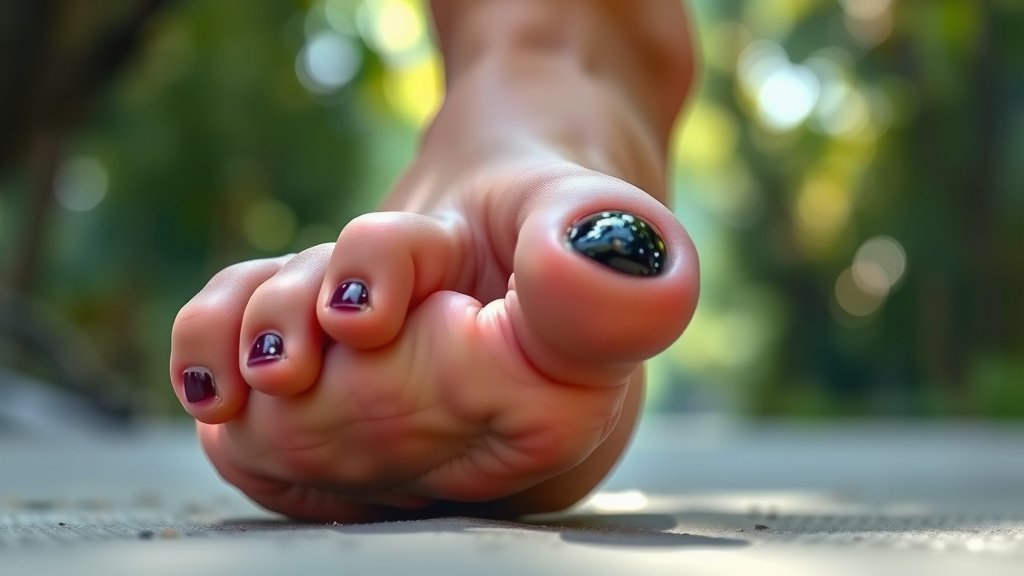
The most common reason is subungual hematoma. That’s just a fancy term for blood under the nail. When those tiny blood vessels rupture from impact, blood pools beneath the nail plate. As it dries and clots, it darkens.
The appearance can vary. Sometimes it’s a small spot, other times it can cover the entire nail. The location can also give clues. If it’s right at the tip, it’s likely from toe-banging. If it’s closer to the cuticle, it might be from pressure on the nail bed itself.
Friction and Blisters Under the Nail
In some instances, the discoloration can also be due to thickened skin or a blister forming under the nail. This is also a result of friction and pressure. The skin can turn dark as it’s compressed or irritated.
These can be just as uncomfortable as dried blood. They essentially create a similar dark appearance. Your body’s response to repeated stress is to create these protective layers or bleed slightly.
When to Be Concerned (And When Not To Worry)
While black toenails are common for runners, it’s good to know when to seek professional advice. Most cases are benign, but it’s wise to be aware of potential issues.
Signs That Point to Other Issues
If the black discoloration is accompanied by significant pain that doesn’t subside, or if the nail becomes very loose and starts to separate from the nail bed without any apparent trauma, it’s worth checking out. We found that signs of infection, like pus, redness, or swelling around the nail, also warrant a doctor’s visit.
Other concerning signs include nail changes that don’t seem related to running, like dark streaks that run vertically. These can sometimes be a sign of melanoma, a type of skin cancer. The CDC advises consulting a doctor for any new or changing moles or dark spots on the skin.
The Usual Scenario: Just a Runner’s Badge of Honor?
For most runners, a black toenail is simply a temporary consequence of pushing their limits. If the nail isn’t causing severe pain and is clearly linked to your running routine, it’s usually nothing to panic about. It will typically grow out with the nail over several months.
You might have to lose the nail eventually. This happens as the new nail grows underneath and pushes the damaged one off. It’s a natural process. Think of it as a temporary accessory that shows you’ve been logging some serious miles.
Steps to Prevent Black Toenails
The good news is that you can take steps to minimize or even prevent black toenails. Prevention is always better than dealing with the aftermath.
The Golden Rule: Proper Shoe Fit
We can’t stress this enough: get your shoes fitted properly. Go to a reputable running store. They can measure your feet and analyze your gait. They’ll help you find shoes that offer the right amount of support and space.
Remember that thumb’s width of space at the end. Also, ensure your shoes aren’t too narrow or too wide. Your heel shouldn’t slip excessively. We found that many runners benefit from replacing shoes every 300-500 miles, as cushioning and support degrade.
Mastering the Toenail Trim
Keep your toenails trimmed regularly. Aim for a straight cut across. Ensure they aren’t too long or too short. Overly short nails can sometimes lead to ingrown nails, which can also be painful. We found that trimming them every two weeks is a good starting point for many.
Lacing Techniques and Insoles
Sometimes, adjusting your lacing can help. Techniques like “heel lock” lacing can secure your foot better, reducing forward slippage. If your shoes fit well but you still experience sliding, consider thicker socks or aftermarket insoles. We found that some runners use moleskin on their toes for added padding.
Listen to Your Feet
Pay attention to any hot spots or discomfort during your runs. These are early warnings. Addressing them early, perhaps with a break or by adjusting your gear, can prevent more serious issues like black toenails. Your feet will thank you for it.
Here’s a quick checklist to help you prevent black toenails:
- Ensure your running shoes have adequate toe box room.
- Trim your toenails straight across, not too long.
- Consider your socks – thicker ones might help prevent slipping.
- Experiment with lacing techniques to secure your heel.
- Address any discomfort or hot spots immediately.
- Replace worn-out running shoes promptly.
Conclusion
Your black toenails from running are a clear sign of repeated impact. Your shoes might be too big, too small, or maybe your nails just need a trim. We’ve found that this is a common runner’s badge of honor, but it doesn’t have to be a permanent one. By focusing on proper shoe fit and consistent nail care, you can significantly reduce or even eliminate this issue. Your next step is to check your running shoes and trim your nails before your next long run. You’ve got this!
Frequently Asked Questions
Will my black toenail fall off?
It’s possible, but not always guaranteed. If the bruising is significant, the damaged nail can eventually grow out and detach from the nail bed. This process can take several months. For most runners, the nail will simply grow out with the dark discoloration.
Can I run with a black toenail?
Generally, yes. If the black toenail isn’t causing severe pain, you can continue running. The discomfort usually comes from pressure. If it becomes too painful, taking a short break or adjusting your footwear might help ease the pressure.
How long does it take for a black toenail to heal?
A black toenail isn’t really a “healing” issue in the traditional sense, as it’s usually dried blood. The discoloration will grow out with your nail. This means you’ll see a new, healthy nail emerge over several months. The dark part will eventually be trimmed away.
Are there any exercises that can worsen black toenails?
Exercises that involve a lot of downhill running or rapid stopping and starting can worsen the issue. Activities like trail running on steep descents or playing sports with quick direction changes might increase the impact on your toes. Focus on even terrain when possible.
What’s the difference between a black toenail and melanoma?
A runner’s black toenail is usually caused by trauma and will grow out with the nail. Melanoma under the nail (subungual melanoma) often appears as a dark streak starting at the cuticle and spreading. It typically doesn’t involve trauma and may not grow out. If you notice such a streak or are unsure, it’s always best to consult a doctor.