Blisters Between Toes Running: Causes and Prevention
You get blisters between your toes when running primarily due to friction. This friction happens when your feet rub against your socks or shoes. Excessive moisture from sweat also plays a big role. It softens your skin, making it more prone to damage from that constant rubbing.
These painful little spots are incredibly common for runners. Many runners experience them at some point. Understanding the causes and how to prevent them is key. We’ll look at how your shoes, socks, and even your running form can contribute to blisters between your toes.
- Friction is the main culprit behind blisters.
- Sweaty feet make your skin more vulnerable.
- Ill-fitting shoes and socks are common triggers.
- Proper foot care can help prevent them.
Let’s get into why those pesky blisters keep showing up and what you can do about them.
Understanding Blisters Between Your Toes When Running
You’re not alone if you’re dealing with blisters between your toes from running. This common runner’s woe stems from a few key factors. It’s mainly about friction, moisture, and how your gear fits. Let’s break down why this happens and what you can do.
The Core Culprit: Friction and Your Feet
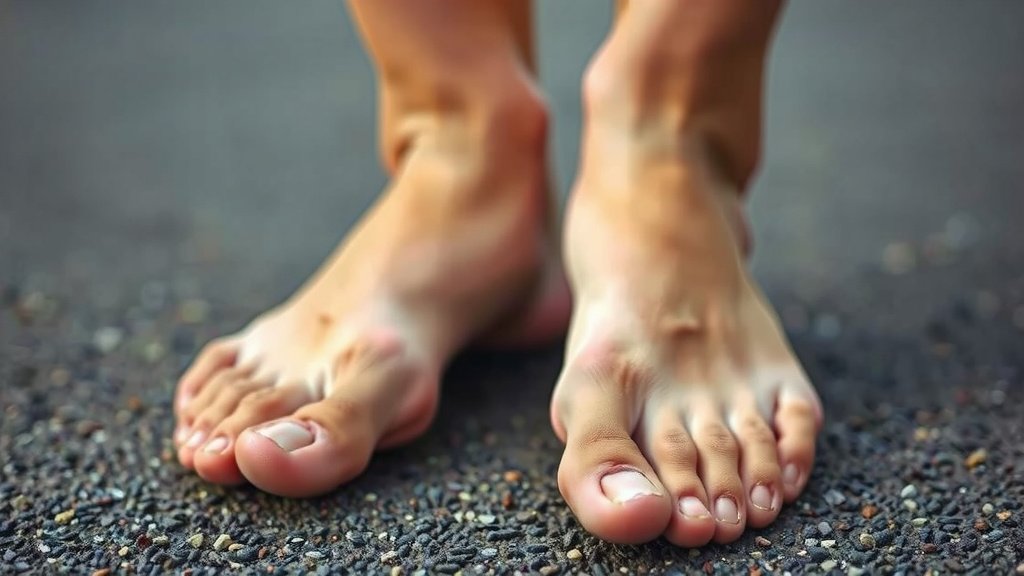
Think of your feet as tiny engines that work hard. Running puts them through a lot of stress. Between your toes is a particularly sensitive area. It’s where skin can rub against itself or your sock. This constant rubbing creates heat and irritation.
How Sock Choice Impacts Friction
Your socks are your first line of defense. The wrong socks can actually make things worse. Cotton socks are a common culprit. They soak up sweat like a sponge. This makes your skin soft and mushy. Soft skin is much easier to damage from rubbing.
We found that many runners switch to specialized running socks. These are often made from synthetic materials or wool blends. They wick moisture away from your skin. This keeps your feet drier. Drier skin is tougher skin. It resists friction better. Look for socks designed to reduce friction. Some have targeted cushioning too.
The Role of Your Running Shoes
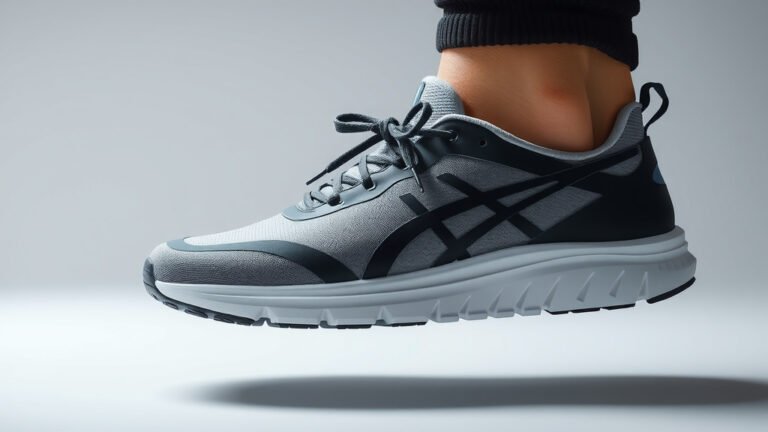
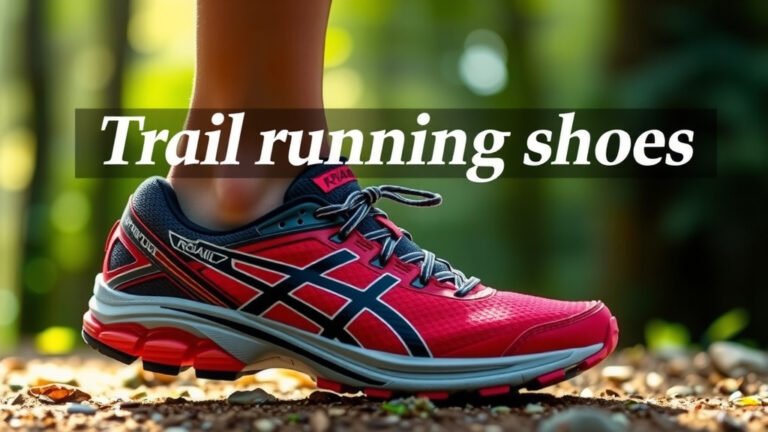
Your shoes play a big part in the friction game. If your shoes are too tight, they pinch your toes together. This increases the rubbing. If they’re too loose, your foot can slide around inside. This sliding motion also causes friction, especially between those smaller toes.
The seams inside your shoes can also be a problem. Rough seams can rub against your skin. This creates an annoying hotspot. Some shoe designs have fewer or smoother seams. This can make a big difference. Finding the right fit is key. Go to a specialty running store. They can help you find shoes that fit well and have fewer irritating features.
Moisture: The Blister’s Best Friend
Let’s talk about sweat. Your feet have a lot of sweat glands. Running makes you sweat more. This excess moisture is a major contributor to blisters. Wet skin loses its natural toughness. It becomes much more susceptible to tearing from friction.
When your skin is damp, it doesn’t provide as much grip. This allows your foot to move more freely inside your shoe. That movement means more rubbing. The area between your toes is often the last to dry. This makes it a prime spot for blisters to form. Keeping your feet dry is a simple yet powerful way to prevent them.
Anatomy of a Blister: What’s Really Happening?
So, what exactly is a blister? It’s basically your body’s defense mechanism. When your skin experiences repeated trauma from friction, it tries to protect itself. It does this by forming a fluid-filled sac. This sac acts as a cushion.
The fluid inside is typically serum. It’s a clear or slightly yellowish liquid. This fluid helps protect the underlying skin. It allows the damaged skin to heal underneath. You might notice the skin getting red before a blister forms. This is called a hot spot. It’s a warning sign you shouldn’t ignore.
The Impact of Foot Mechanics
Sometimes, it’s not just the shoes or socks. It’s also how you run. Your natural gait can put extra pressure on certain areas of your feet. If your toes tend to overlap slightly when you run, that’s a setup for friction.
Some research suggests that foot pronation or supination can influence where blisters form. Pronation is when your foot rolls inward. Supination is when it rolls outward. If your toes are forced into awkward positions, it can increase rubbing between them. A running coach or physical therapist can analyze your gait. They might offer tips to improve your form.
Preventative Measures: Your Blister-Fighting Toolkit
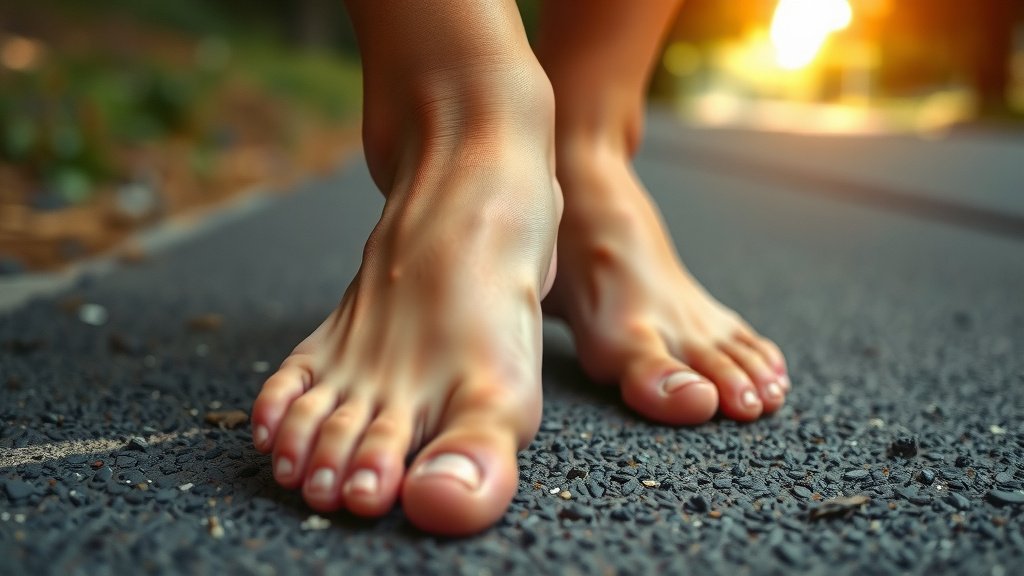
Now for the good stuff: how to stop these blisters before they start. Prevention is always better than dealing with painful blisters. Luckily, there are several simple strategies you can use.
The Right Sock Strategy
As we’ve discussed, ditch the cotton. Invest in good quality running socks. These often have features like:
- Moisture-wicking fabrics
- Seamless toes
- Arch support
- Targeted cushioning
Consider wearing two pairs of thin socks. This is called the “double sock” method. The friction then happens between the two socks. Your skin stays protected. Make sure the socks aren’t too thick. Otherwise, your shoes might feel too tight. This could cause new problems.
Perfecting Your Shoe Fit
A proper shoe fit is non-negotiable. Your toes should have room to wiggle. They shouldn’t touch the front of the shoe. There should be no pinching. Your heel shouldn’t slip excessively. Try on shoes at the end of the day. Your feet swell throughout the day. This will give you a more accurate fit.
Consider the width of your shoes. If your feet are wider, look for wide-width options. This can prevent toes from being squeezed together. If you have particularly narrow feet, narrow-width shoes might be better. A good fit reduces movement and friction.
Keeping Your Feet Dry
Beyond moisture-wicking socks, there are other tricks. Apply an anti-chafing balm or stick. These create a smooth barrier on your skin. They help reduce friction. Many runners swear by products like Body Glide or Vaseline.
You can also use foot powder. It helps absorb excess moisture. Sprinkle it inside your socks or directly on your feet. This can make a noticeable difference on longer runs or in humid weather. Some athletes use athletic tape on the areas where they typically get blisters. This provides an extra layer of protection.
Tackling Hot Spots Early
Listen to your feet. If you feel an area getting warm or tingly during a run, that’s a hot spot. Don’t just push through it. Stop and address it. You can often prevent a full-blown blister by applying a bandage or moleskin. This gives your skin a chance to recover.
We found that treating hot spots quickly is highly effective. A small blister can become a big problem if ignored. Be prepared. Carry a small blister kit on longer runs. It might just save your race or training session.
| Cause | How it Leads to Blisters | Prevention/Solution |
|---|---|---|
| Friction | Skin rubbing against socks, shoes, or itself | Properly fitting shoes and socks, anti-chafing balms |
| Moisture | Softens skin, making it vulnerable | Moisture-wicking socks, foot powder, anti-chafing products |
| Poor Sock Material | Cotton holds moisture against the skin | Synthetic or wool blend running socks |
| Ill-Fitting Shoes | Too tight or too loose causes sliding and pinching | Get properly fitted at a running store, ensure toe room |
| Seams/Rough Spots | Irritating points inside shoes or on socks | Choose shoes with minimal or smooth seams, seamless socks |
| Foot Mechanics | Gait puts excess pressure or causes toes to overlap | Gait analysis, potential form adjustments |
Your Blister Prevention Checklist
Here’s a quick rundown of what you can do:
- Always wear moisture-wicking running socks.
- Ensure your running shoes fit perfectly.
- Apply anti-chafing balm or powder to problem areas.
- Check your socks and shoes for any irritating seams.
- Address hot spots immediately.
- Consider professional gait analysis if problems persist.
Conclusion
You’re now equipped to tackle those painful blisters between your toes. Remember, the key is understanding how friction and moisture team up against your skin. Your choice of socks and the fit of your running shoes are your first lines of defense. By investing in the right gear and paying attention to your feet, you can significantly reduce discomfort. Don’t ignore those hot spots! Take a moment to protect them. Your next run can be much more enjoyable when your feet are happy. Start by checking your sock drawer and getting your shoes properly fitted.
Frequently Asked Questions
Can my running form cause blisters between my toes?
Yes, your running form can contribute. If your toes overlap or your feet pronate or supinate excessively, it can create extra friction. This increased pressure can lead to blisters in that sensitive area. Analyzing your gait might reveal underlying issues. A running coach can help you adjust your form to reduce rubbing.
Are blisters between my toes a sign of a serious foot problem?
Generally, no. Blisters between your toes are usually caused by external factors like friction, moisture, and gear fit. They are a common issue for many runners. However, if you experience recurring, severe blisters or other foot pain, it’s wise to consult a doctor or podiatrist. They can rule out any underlying medical conditions.
How quickly can blisters heal between my toes?
Minor blisters can start healing within a few days. The skin underneath needs time to regenerate. Avoid breaking the blister if possible, as the skin acts as a protective dressing. For larger or more painful blisters, it might take a week or more to fully heal. Keep the area clean and protected during this time.
What should I do if I get a blister while running right now?
If you feel a hot spot developing, stop running immediately. If it’s already a blister, gently clean the area if possible. Apply a sterile bandage or moleskin to protect it. Continue running only if comfortable, but ideally, rest to allow it to heal. Prevention is key for your next run.
Can socks without seams really prevent blisters between my toes?
Yes, seamless socks can make a significant difference. Seams in socks can rub against your skin, creating friction points. Blisters often form where there’s constant rubbing. Socks designed with seamless toes eliminate these potential irritants. This reduces friction, especially in tight spaces like between your toes.