Why You Get Blisters on Your Heels Running
You get blisters on your heels when your running shoes cause too much friction. This happens because your foot is rubbing against the back of your shoe. It’s a common running woe, but luckily, it’s usually pretty fixable. The goal is to reduce that rubbing.
Understanding why this happens is key to stopping it. Poorly fitting shoes are a big culprit. So are the socks you choose to wear. Even the way you tie your shoes can make a difference. We’ve researched the common causes to help you prevent painful heel blisters.
- Friction between your heel and shoe is the main reason.
- Ill-fitting shoes and wrong socks contribute to the problem.
- Socks that are too thin or too thick can cause rubbing.
- Lacing techniques can help secure your heel better.
Let’s break down exactly why those annoying heel blisters keep showing up and what you can do about it.
Why Your Heels Rub and Cause Blisters
So, you’re wondering why your heels keep developing those painful blisters after a run? It all comes down to friction. Think of your running shoe as a partner in your miles. When your heel isn’t held snugly, it slides up and down inside the shoe. This constant rubbing creates heat. That heat, combined with moisture from sweat, breaks down your skin. The result? A blister forms, typically filled with fluid to protect the damaged skin underneath.
It’s a common issue, and the good news is, it’s usually not a sign of something serious. It’s more about the fit and function of your gear and how you’re using it. We’ve researched the main culprits behind this annoying problem to help you find relief.
The Role of Shoe Fit and Design
One of the biggest reasons you might be getting heel blisters is a shoe that just doesn’t fit right. Your running shoes should feel snug, but not tight. There should be a little bit of space for your toes to wiggle. However, when it comes to your heel, you want a secure grip.
Heel Collar and Counter Issues
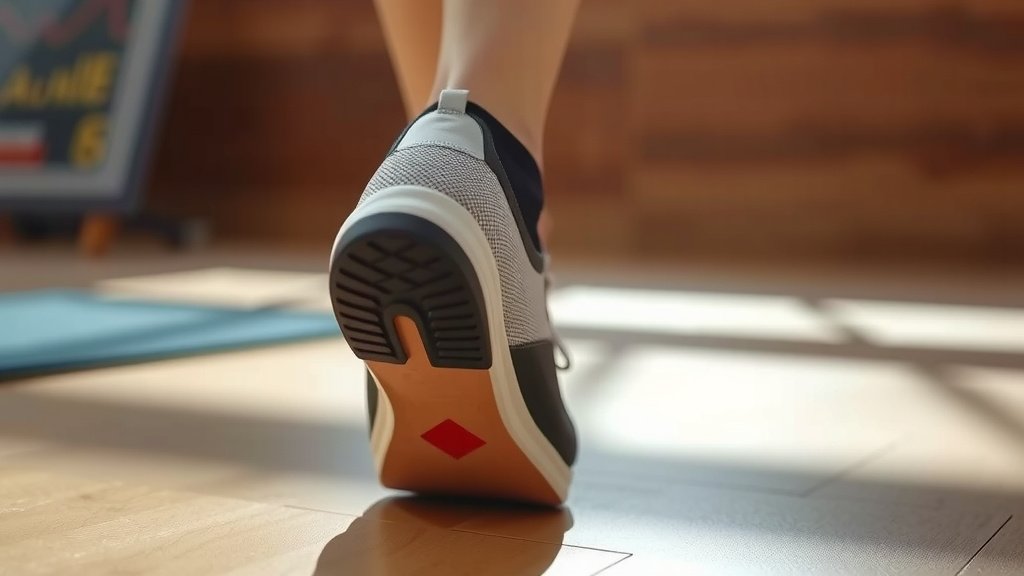
The part of the shoe that wraps around your heel is called the heel collar. The stiff structure at the back, the heel counter, is designed to hold your heel in place. If the heel collar is too stiff, too low, or doesn’t have enough padding, it can rub your Achilles tendon or the back of your heel. Some shoes also have a heel counter that’s too wide. This allows your heel to slip, creating that damaging friction we talked about.
Shoe Size: Not Just About Length
It’s not just about having enough room for your toes. The width of the shoe matters too. If your shoe is too wide, your foot can slide side-to-side. This movement can cause your heel to rub against the sides of the shoe. Many runners overlook width when buying shoes, focusing only on length. Research shows that a proper width fit can significantly reduce rubbing (American Podiatric Medical Association).
Breaking In New Shoes
Sometimes, even a well-fitting shoe can cause temporary issues. Brand new running shoes can be a bit stiff. They haven’t molded to your feet yet. Running in them for the first time without taking precautions can lead to blisters. It’s like wearing a new pair of dress shoes; they often need a little breaking in. This means wearing them for short periods initially, perhaps around the house or for short walks, before taking them out for a long run.
How Your Socks Can Be a Blister Culprit
You might be surprised to learn that your socks play a huge role in preventing or causing heel blisters. The type of sock you choose is just as important as your shoes.
The Wrong Material Matters
Cotton socks are a runner’s worst enemy when it comes to blisters. Why? Cotton absorbs moisture and holds onto it. When your feet sweat, cotton socks become damp and clingy. This dampness increases friction against your skin, leading to those painful spots. Many experts recommend moisture-wicking materials instead, such as polyester, nylon, or merino wool blends (Cleveland Clinic).
Sock Thickness: Too Much or Too Little
Sock thickness can also be a problem. If your socks are too thin, they might not provide enough cushioning. This means your heel has less protection from the shoe’s interior. On the other hand, socks that are too thick can make your shoes feel too tight. This added snugness can actually push your heel against the shoe, causing more friction. Finding the right balance is key. Some runners prefer thin, moisture-wicking socks, while others like a bit more padding.
Seams and Fit
Pay attention to where the seams are on your socks. A bulky seam rubbing directly on your heel can create a hot spot that quickly turns into a blister. Also, ensure your socks fit well. Bunching or wrinkling inside your shoe is a sure way to invite friction.
Techniques to Prevent Heel Blisters
Now that you know why blisters happen, let’s talk about how to stop them. It often comes down to a few simple adjustments.
The Magic of Lacing
Did you know you can adjust how you tie your shoes to help? A special lacing technique, often called a “heel lock” or “runner’s knot,” can make a big difference. This method uses extra eyelets at the top of your shoe to create a snugger fit around your ankle. It essentially “locks” your heel into place, reducing its movement inside the shoe. You can find many diagrams and videos online showing you how to do this. It’s a simple trick that can save you a lot of pain.
Consider Footwear Inserts or Taping
For some runners, extra support or a different surface can help. You might consider over-the-counter insoles to help improve the fit and support inside your shoe. They can help cushion your heel or reduce slipping. Another option is to use athletic tape or specialized blister-prevention tape on your heels before your run. This creates a protective barrier between your skin and the shoe. Make sure to apply the tape smoothly without any wrinkles.
Manage Moisture Effectively
Keeping your feet as dry as possible is crucial. We’ve already talked about moisture-wicking socks. But you can also use anti-chafing balms or powders. These products create a slick surface or absorb moisture, reducing friction. Some runners swear by applying petroleum jelly to their heels before a run. Others prefer specialized anti-blister sticks. Experiment to see what works best for you.
Listen to Your Feet
During your run, pay attention to any sensations of rubbing or heat on your heels. These are “hot spots.” If you feel one developing, don’t ignore it. Stop and adjust your socks, your shoes, or apply a bandage if you have one. It’s much easier to prevent a blister than to deal with one once it forms. Early intervention is your best friend.
Your Blister Prevention Checklist:
- Ensure your running shoes fit properly in length and width.
- Choose moisture-wicking socks made from synthetic materials or wool.
- Avoid cotton socks at all costs!
- Try a heel-lock lacing technique for a secure fit.
- Apply anti-chafing balm or tape to potential hot spots before running.
- Address any hot spots immediately during your run.
Conclusion
You’ve learned that heel blisters on your runs are mostly caused by friction. Your shoes and socks play a huge role. An improper fit in either can lead to your heel rubbing. This rubbing creates heat and moisture. That combination breaks down your skin. But you have the power to prevent this! By focusing on the right shoe fit, choosing moisture-wicking socks, and using smart lacing techniques, you can significantly reduce those painful spots. Your next step is to assess your current running gear using this knowledge and make one small adjustment to your routine.
Frequently Asked Questions
What are the best socks to prevent heel blisters?
You’ll want moisture-wicking socks made from synthetic materials like polyester or nylon, or a merino wool blend. These materials pull sweat away from your skin, reducing friction and keeping your heels drier. Avoid 100% cotton socks, as they hold onto moisture.
How do I know if my running shoes fit correctly to prevent blisters?
Your running shoes should feel snug but not tight, with about a thumb’s width of space at the toe. Critically, your heel should feel secure and not slip up and down when you walk or run. Pay attention to the shoe’s width as well as its length.
Can I fix a shoe that feels like it’s causing heel blisters?
Sometimes, yes! You can try a heel-lock lacing technique to better secure your foot. Adding thicker socks or using moleskin or athletic tape on your heel before a run can also create a protective barrier. If the shoe’s design itself seems problematic, it might be time for a new pair.
Is it okay to run with a blister on my heel?
It’s generally not recommended to run on a fully formed blister, as it can worsen the injury. However, if you catch a “hot spot” — a feeling of rubbing or heat before a blister forms — you should stop and address it immediately. Consider taping or applying balm to prevent it from developing.
What is the “heel lock” lacing technique, and how does it help?
A heel lock, or runner’s knot, uses the top eyelets of your shoe to create a tighter loop around your ankle. This helps to pull your heel down and back, securing it more firmly within the shoe. This reduced heel movement directly combats the friction that causes blisters.